 Edward DP Situmorang

BERLIN – A fundamental legal debate testing the boundaries of democracy is shaking Germany's political landscape in 2026. The central issue is the legitimacy of banning candidates from the Alternative for Germany (AfD) party from running in mayoral and district elections, solely because of their controversial views spread through social media. A prominent law professor from a German university has voiced serious doubts about this practice, sparking a wide discussion on political rights and the protection of democracy.
This controversy arises amidst increasing polarization in Europe and public calls to protect democratic foundations from the threat of extremism. The potential implementation of such a ban risks creating a significant legal precedent, reshaping the future of political participation.
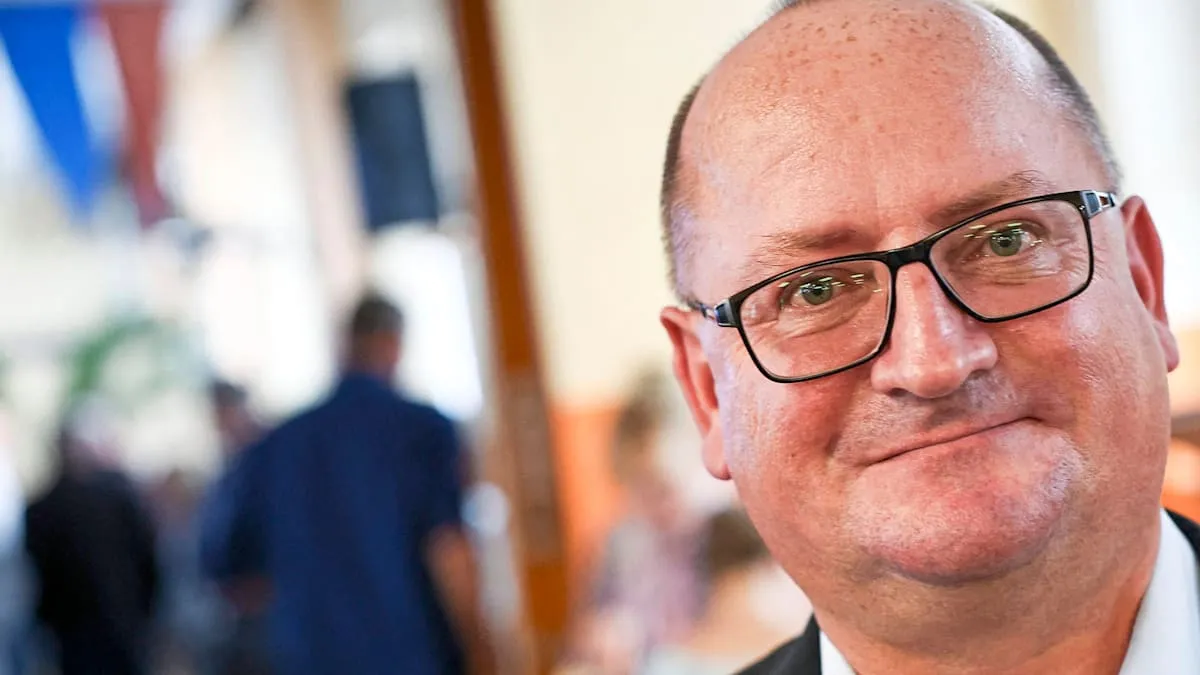
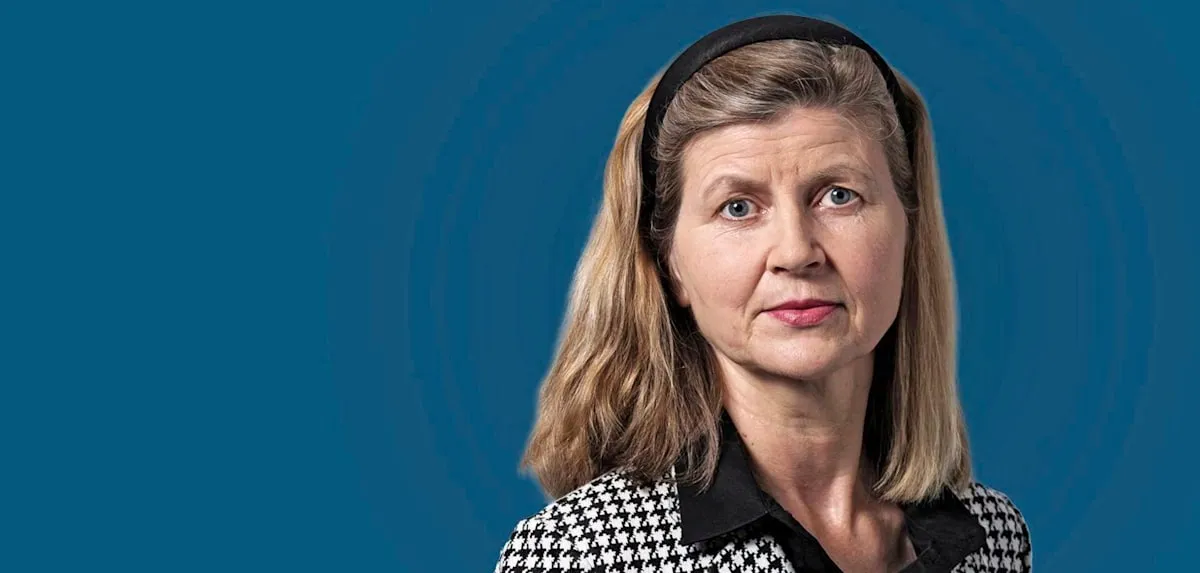
The professor, unnamed in the RSS source but identified as a legal expert, asserts that the concept of defensive democracy should not automatically be interpreted as the right to exclude individuals with differing views from the electoral process. Restrictions on fundamental rights must always be based on solid legal grounds and pass strict constitutional review, she stated.
The German Constitution (Grundgesetz) guarantees every citizen's right to vote and to be elected, as well as freedom of expression. Restrictions on these rights can only be imposed under very specific and proportional conditions, to maintain public order or protect the rights of others.
The AfD party, known for its anti-immigrant rhetoric and Eurosceptic stance, is often at the center of controversy over its members' statements on online platforms. Claims that their social media views are extreme or anti-democratic often form the basis for calls for a ban.
The digital age has transformed the dynamics of political communication. Statements posted on platforms like X (formerly Twitter) or Facebook by politicians can quickly spread and trigger chain reactions, both support and condemnation. This complicates the delineation between free speech and speech that incites violence or hatred.
This is not the first time the AfD has faced resistance or rejection based on their political views. Earlier in 2026, the world's largest gaming exhibition, Gamescom, had also rejected the presence of the AfD. The article Gamescom Rejects AfD: German President Speaks on the Future of Digital Democracy serves as evidence that the debate over the space for certain ideologies in German society continues.
Critics argue that allowing bans based on controversial views on social media could open the door to future abuses of power, potentially silencing legitimate dissent. There are concerns that the definition of controversial could become a political tool to target opponents.
Modern democracies face the challenge of balancing the protection of core values and individual freedoms. The question of how far the state can intervene in the electoral process to maintain a 'defensive democracy' becomes crucial.
Editorial Insight: The debate regarding the eligibility of AfD candidates in local elections reflects a deep tension between the idealism of freedom of expression and the pragmatism of protecting democracy in Germany. The final decision on this issue will be a test for the German legal system and could reshape the parameters of political participation in Europe. It is crucial for legal institutions to establish clear boundaries to avoid eroding the principle of pluralism, yet remain firm in confronting genuine hate speech or extremism.