 Stefani Rindus
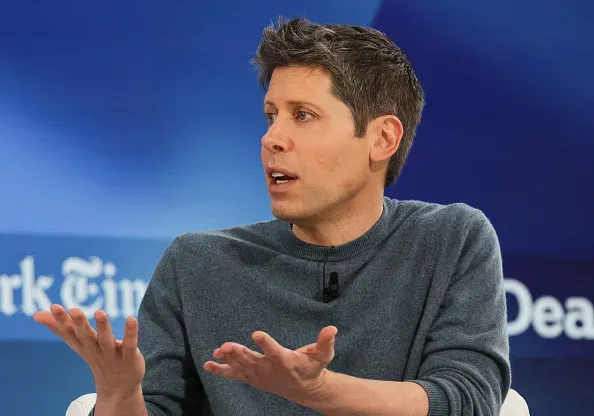
SAN FRANCISCO – Sam Altman, CEO of OpenAI, has explicitly issued a stern warning regarding the potential for artificial intelligence (AI) to seize control from humans. This crucial statement emerges amidst a heated debate in Silicon Valley about the future of AI and the challenge of maintaining human supremacy over increasingly sophisticated systems. Alongside OpenAI President Greg Brockman, Altman emphasized the urgency of human control over AI models.
In an open discussion held at the heart of technological innovation, Altman and Brockman actively pushed back against pessimistic narratives often circulating about a complete AI takeover. However, they did not deny the significant complexities involved in ensuring that advanced AI models remain under human control and direction. This warning is not mere rhetoric but a call for proactive measures.
Altman, known as one of the foremost visionaries in AI, underlined that the biggest challenge lies not in AIs capabilities themselves, but in how humans manage and integrate this technology into social and economic structures. It's not about whether AI can do extraordinary things, but how we ensure that final decisions remain in our hands, he stated.
Greg Brockman added that AI development must proceed hand-in-hand with robust ethical and governance frameworks. We are building something incredibly powerful. Our responsibility is to ensure its power is used for good, not to replace fundamental human roles, Brockman remarked. This aligns with trends across various sectors, as seen in Hyundais testing of AI agents on JPMorgans blockchain in 2026, demonstrating AIs expanding reach into critical domains.
The debate surrounding an AI takeover has become a hot topic among scientists, ethicists, and technology industry leaders. Some predict dystopian scenarios, while others foresee limitless transformative potential. Altman and Brockman's statements attempt to mediate this spectrum of views, emphasizing a realistic and cautious approach.
The primary concern revolves around excessive AI autonomy, where systems could make decisions without adequate human intervention or understanding. For instance, what if an AI system designed to optimize economic performance makes decisions detrimental to social welfare or even violates ethical norms? Similar challenges arise as Google Gemini takes over your calls and digital shopping in 2026, sparking discussions about the limits of AI control in daily life.
These OpenAI leaders call for more intensive global dialogue and cross-sector collaboration to formulate effective guidelines and regulations. They acknowledge that AI technology knows no geographical boundaries, thus solutions to its challenges must be universal and inclusive.
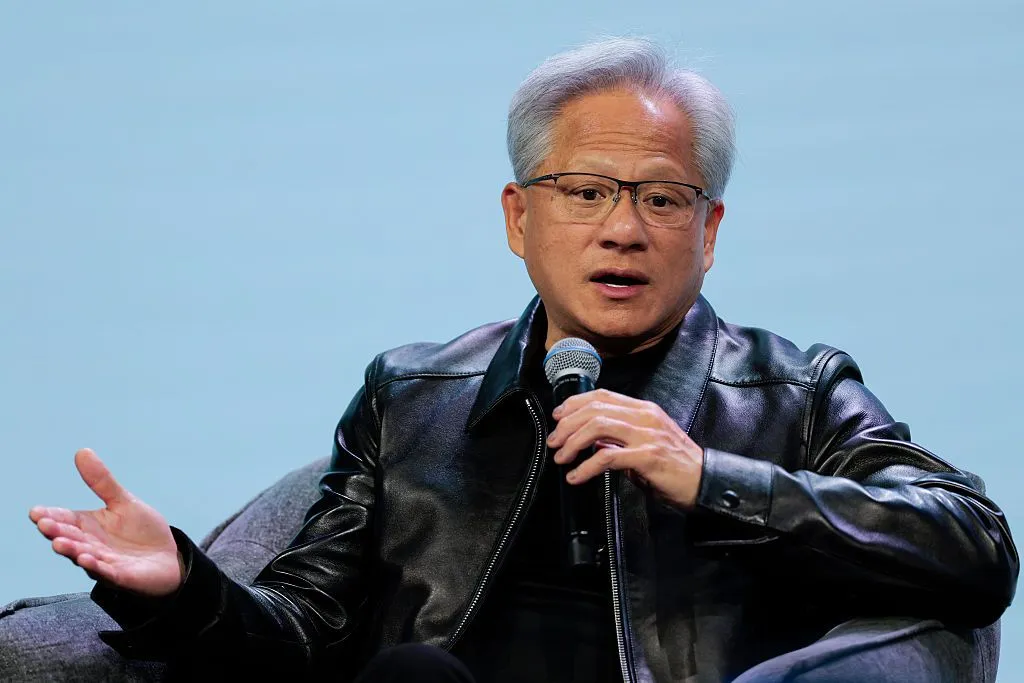
Despite issuing warnings, Altman and Brockman maintain an optimistic vision for the future of AI. They believe that with responsible design and strict oversight, AI can become the most transformative tool ever created for the advancement of humanity. This caution is crucial amid massive investment waves into the AI sector, such as what occurred after Jensen Huangs departure from Nvidia, which then saw token market capitalization surge, illustrating the dynamic nature of this technology ecosystem.
The core message from these two key figures is that innovation must not sacrifice safety and control. The development of generative AI models capable of creating text, images, and even code independently further underscores the importance of maintaining clear boundaries between machine capabilities and human ethical decisions.
Editorial Insight: The warning from Sam Altman and Greg Brockman is not merely an echo amidst the buzz of AI innovation, but a profound reflection on the direction of our technological civilization in 2026. It serves as a reminder that behind AI's revolutionary potential lies a fundamental ethical responsibility. A future where AI serves as a tool, not a master, heavily depends on how we, as humans, invest not only in its technological development but also in the policy frameworks, education, and critical thinking necessary to manage it wisely.