 Dodi Irawan
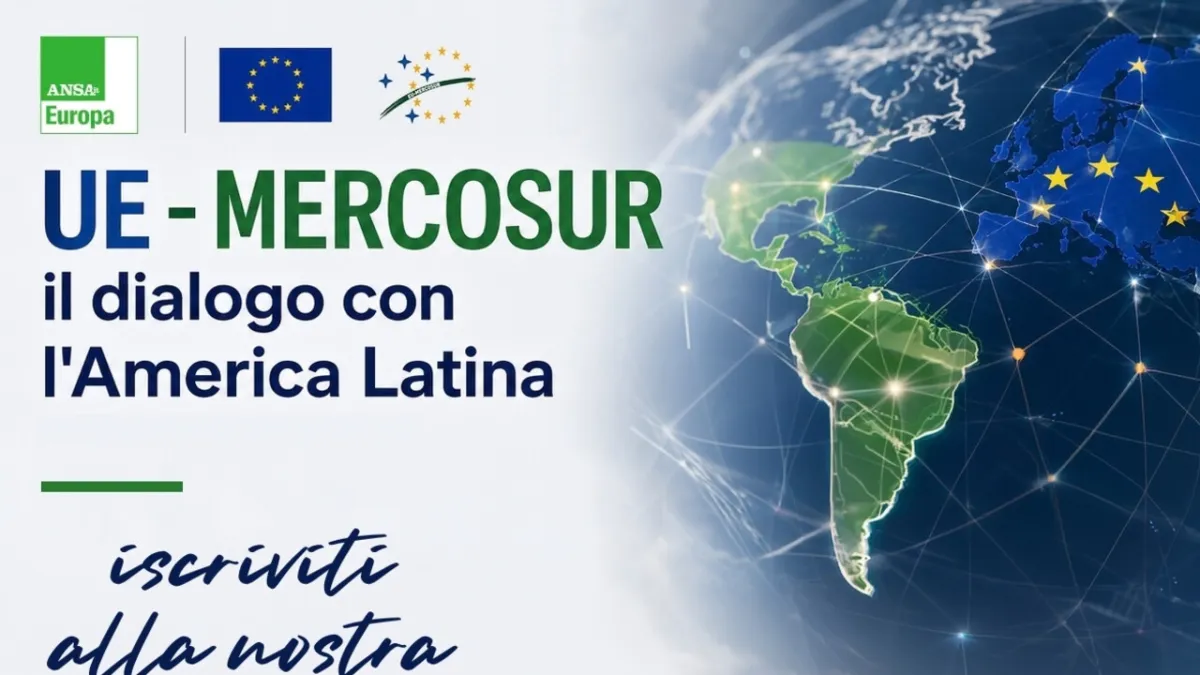
BRUSSELS – The ambitious trade agreement between the European Union (EU) and the Mercosur bloc of nations has once again drawn intense scrutiny in early 2026. After decades of complex negotiations and delays due to various objections, the momentum for its ratification now faces crucial challenges, igniting fierce debates about its economic potential versus environmental and social risks. The deal, which covers trade in goods and services, investment, and sustainability issues, aims to create one of the world's largest free trade zones.
This historic agreement, first agreed in principle in 2019, seeks to open markets for European industrial products in Latin America, while granting broader access for Mercosur agricultural products to the EU market. Proponents argue that the deal will boost economic growth, create jobs, and strengthen the geopolitical standing of both blocs in an increasingly complex global order. They view it as a vital instrument for diversifying supply chains and solidifying strategic alliances.
However, the path to ratification has never been smooth. From the outset, the agreement has been plagued by serious concerns, particularly from the agricultural sector in EU member states. European farmers worry about a surge in cheaper agricultural imports from Mercosur, such as beef, sugar, and ethanol, which could potentially undermine their livelihoods and depress prices in domestic markets. Farmers unions in France, Ireland, and Belgium have been at the forefront of voicing this opposition.
Environmental concerns have also been a major stumbling block. Several EU member states, including France and Austria, have expressed deep apprehension regarding deforestation in the Amazon and what they perceive as low sustainability standards in Mercosur countries, particularly Brazil. Environmental activists and civil society organizations are urging for significantly strengthened environmental protection clauses and their implementation with more rigorous enforcement mechanisms.
In late 2023, the European Commission proposed an additional instrument, referred to as a sustainability instrument, a joint declaration aimed at clarifying the environmental and social commitments of both parties. However, this step has not entirely allayed concerns. Some EU states and members of the European Parliament still demand more concrete and legally binding guarantees regarding forest protection and human rights.
Conversely, the Mercosur countries – Brazil, Argentina, Uruguay, and Paraguay – remain strongly committed to ratifying the agreement. They view the deal as a golden opportunity to boost exports, attract foreign investment, and modernize their economies. Brazil's President, for instance, has repeatedly emphasized the importance of greater market access for his country's agribusiness products to drive national economic growth.
Global economists hold mixed views on the agreement. Analysis from institutions such as the World Bank and the World Trade Organization (WTO) indicates the potential for billions of dollars in increased bilateral trade if the agreement is fully implemented. However, they also acknowledge significant challenges in harmonizing standards and managing the impact of dislocation in specific sectors.
The role of industrial lobbies and advocacy groups on both sides also warrants attention. German car manufacturers and Spanish service companies strongly support the agreement, hoping to access large Latin American consumer markets without tariff barriers. Conversely, the beef sector in Ireland and poultry producers in Poland are aggressively lobbying their governments to postpone or reject ratification.
In recent developments in 2026, negotiators from the EU and Mercosur are reportedly continuing intensive dialogue to find common ground. Issues such as import quotas, protection of geographical indications, and environmental dispute resolution mechanisms remain key sticking points. Full consensus among the 27 EU member states and the four Mercosur nations is an absolute prerequisite before the agreement can take effect.
EU leaders face a dilemma. On one hand, there is pressure to reach an agreement that demonstrates the bloc's commitment to global free trade and strengthens its influence in Latin America. On the other hand, they must respond to serious domestic concerns from the agricultural sector and environmental groups who possess significant political voice.
Will the EU-Mercosur trade agreement successfully overcome its final hurdles and become a reality in 2026? The answer depends on the ability of both blocs to find a balance between economic ambition, environmental protection, and the interests of sensitive sectors. Failure to reach a consensus could mean economic losses for both sides and a missed opportunity to forge a deeper strategic partnership.
Editorial Insight: The EU-Mercosur agreement reflects the complexity of modern global trade, where economics are no longer separate from environmental and social issues. In the current geopolitical climate, the success of this agreement would send a strong signal about the capacity of multilateral blocs to forge sustainable partnerships. Its failure, conversely, could strengthen protectionist trends and weaken the EU's position as a global trading power. Guaranteeing strict implementation of environmental standards is key to securing public support and long-term legitimacy.