 Angel Doris
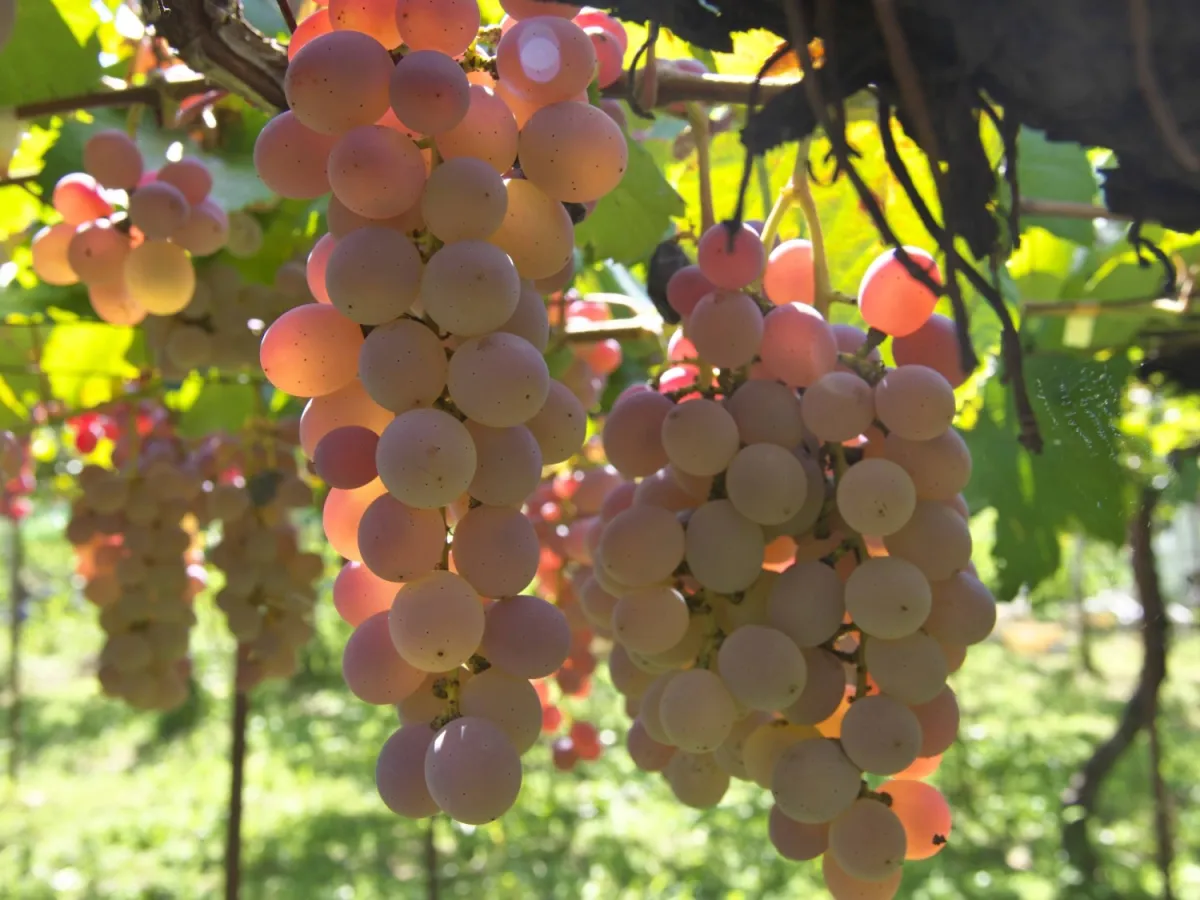
YAMANASHI – Koshu, Japan's indigenous grape variety, is firmly establishing itself as the ideal representation for understanding the rich flavors of wine from the Land of the Rising Sun. Amidst the surge of the global wine industry, Koshu offers a unique profile reflecting Japan's distinctive terroir, making it an essential starting point for anyone wishing to delve into the world of fermented grape beverages from this archipelago. Experts widely agree that to truly know Japanese wine, one must begin with Koshu.
This variety has been deeply rooted in Japanese soil for centuries, particularly in Yamanashi Prefecture, situated at the foot of Mount Fuji. Koshu's history spans a long period, originating from the introduction of grapes to Japan and their gradual adaptation to the local climate and soil. Viticultural traditions in Yamanashi have shaped distinctive cultivation methods, such as the pergola system which protects the grapes from high humidity and excessive sun exposure, resulting in fruit of optimal quality.
Organoleptically, Koshu wine is renowned for its clean and elegant character. Its flavor profile often features nuances of citrus fruits like yuzu and lemon, subtle hints of Asian pear, and delicate floral aromas. A distinct minerality is also a hallmark, imparting a refreshing crispness to every sip. This wine generally possesses good acidity and a light to medium body, making it exceptionally palatable.
Koshu's importance extends beyond merely being a beverage. It reflects the Japanese aesthetic philosophy that values subtlety and balance. Koshu wine is not overpowering; instead, it is a perfect complement to Japan's nuanced cuisine, such as sushi, sashimi, tempura, or other seafood dishes. Its ability to harmonize with umami and vinegared dishes makes it a favorite choice on both modern and traditional dining tables.
In recent decades, Japanese winemakers have increasingly innovated in Koshu production. They not only preserve traditional styles but also experiment with various techniques, such as fermentation in oak barrels or aging with natural yeasts, to explore the full potential of this variety. These innovations have broadened the spectrum of Koshu styles, from fresh and crisp to more complex and textured.
International recognition for Koshu continues to grow. Wines from Yamanashi, particularly those based on Koshu, now regularly win awards at global wine competitions. Japanese exporters are actively introducing Koshu to key markets in Europe, North America, and Asia, opening the world's eyes to the quality and uniqueness of non-traditional wines from a country better known for its sake.
This phenomenon stems from the collective efforts of wine producer associations and local governments, which vigorously promote Koshu as a cornerstone of Japanese culinary identity. Global wine education and tasting programs help elevate Koshu's profile, attracting the interest of sommeliers and wine enthusiasts worldwide. They aim to demonstrate that Japan, beyond being a producer of premium sake and whisky, also holds significant potential in the wine industry.
For wine connoisseurs, the experience of tasting Koshu often proves to be an enlightening journey. Starting with Koshu means understanding the character of Japan's terroir, unique with its humid climate and volcanic soil. This is more than just tasting a beverage; it is a sensory journey into the heart of Japanese culinary culture.
Koshu affirms that the world of wine possesses a diversity that extends far beyond the classic European regions. This wine proves that adaptation and innovation can yield world-class products from areas not traditionally considered wine production centers. Koshu's existence serves as a bridge between tradition and modernity, between local identity and global appeal.
Its fresh characteristics and ability to pair with local dishes are its main strengths. The Japanese wine industry, with Koshu as its flagship, is projected to continue growing and attracting more global consumers in the coming years, especially with a focus on sustainable practices and authentic terroir expression.
Editorial Insight: Koshu is more than just a grape variety; it is a cultural ambassador for Japan in the global gastronomic arena. Its rising popularity signals a shift in consumer preferences towards seeking uniqueness and authenticity from non-traditional wine regions. Its potential as a culinary diplomatic bridge, connecting the world with the true flavors of Japan, deserves significant consideration. The development of Koshu will also foster further innovation in local agriculture and tourism sectors.