 Dodi Irawan
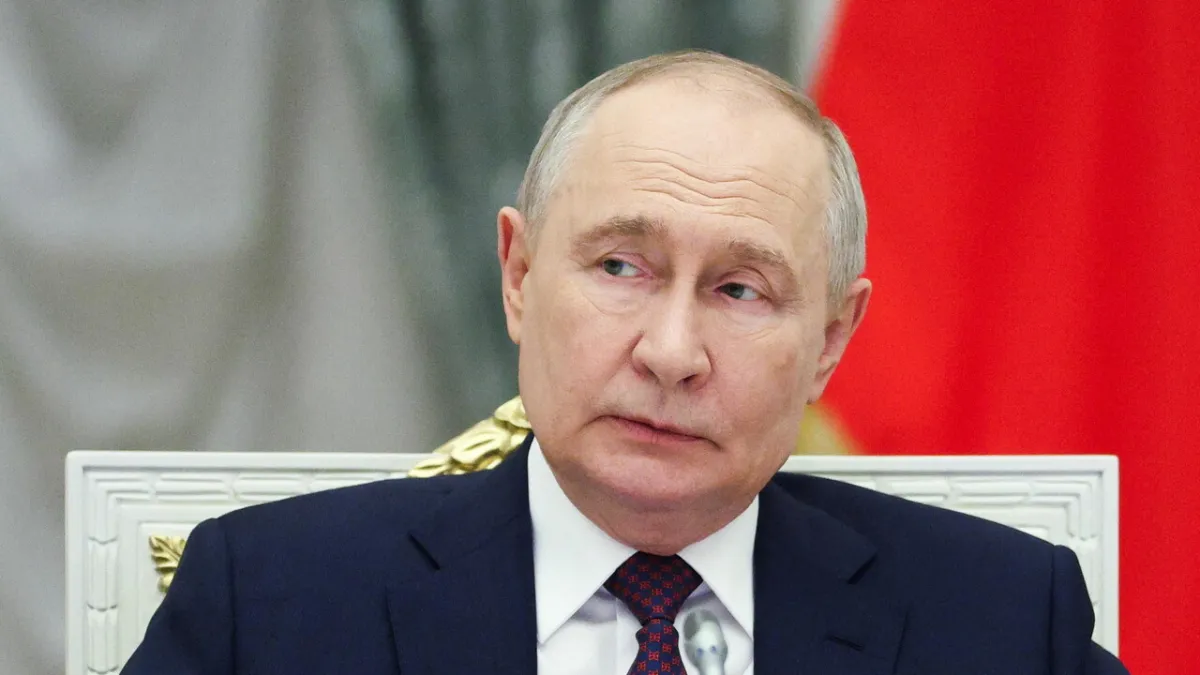
MOSCOW – The Kremlin has unequivocally rejected Ukraine's prospect of NATO membership, effectively freezing Kyiv's aspirations, while simultaneously issuing serious threats to European stability if its peace demands are not met. This controversial statement from Russian President Vladimir Putin emerges amid ongoing efforts to achieve a resolution to the protracted conflict, with Moscow highlighting strategic objectives set since 2024.
As Kremlin officials revealed this week, President Putin has outlined a series of essential conditions for de-escalation, including the complete withdrawal of Kyiv's forces from four Ukrainian regions claimed by Russia: Donetsk, Luhansk, Kherson, and Zaporizhzhia. Additionally, another crucial demand is Ukraine's absolute refusal to join the North Atlantic Treaty Organization (NATO).
The Russian presidential spokesperson emphasized, 'If no agreement is reached through diplomatic channels, we will not hesitate to use military force to achieve the objectives we have set.' This statement indicates a potential escalation should peaceful initiatives fail to yield results.
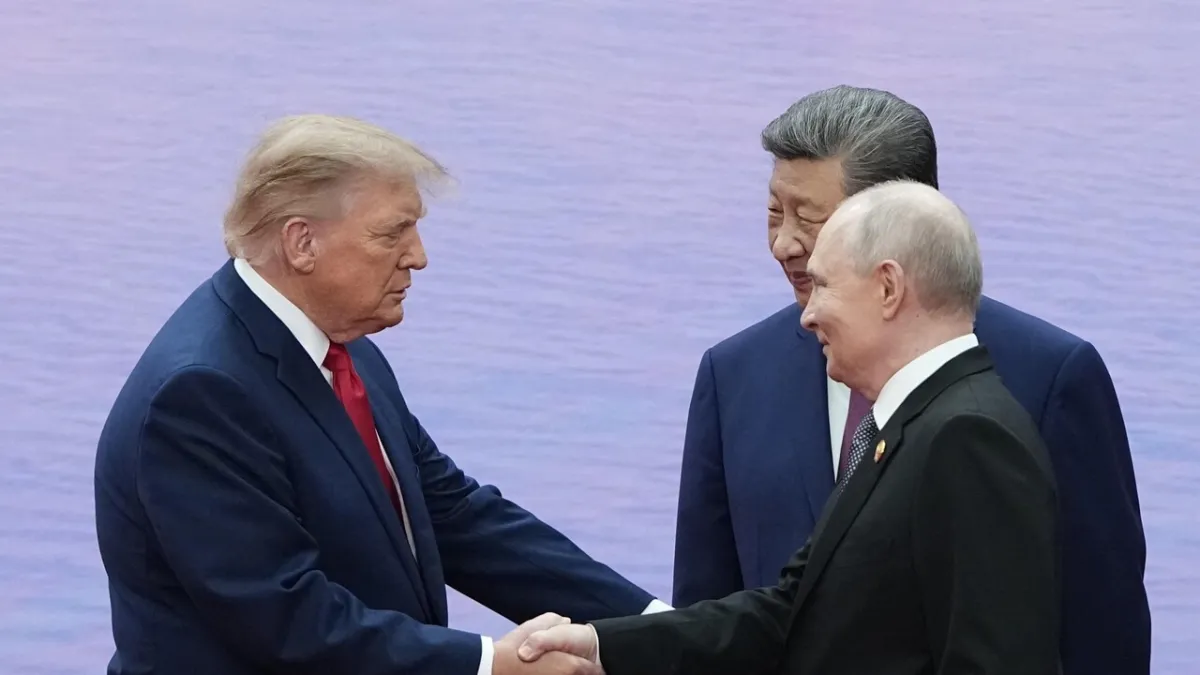
The response from the United States, under President Donald Trump's administration, and its NATO allies remains a focal point. Washington has repeatedly affirmed its unwavering support for Ukraine's sovereignty and its right to determine its own destiny, including security affiliations. However, Russia's latest ultimatum presents a significant dilemma for global decision-makers.
This tension has also triggered swift reactions from Russia's neighbors. Tallinn – Estonia, a member of the European Union and NATO, has announced the partial closure of its borders with Russia. This measure is taken in response to increased military activity at the border and as part of a collective European effort to pressure Moscow.
The direct threat to Europe is not mere rhetoric. The potential use of military force by Russia could trigger widespread regional instability, jeopardizing energy supplies, cybersecurity, and migration, all of which have been sensitive issues for the continent.
The conflict in Ukraine, which has entered crucial years leading up to 2026, continues to be a major global concern. Moscow's statement regarding 'objectives set in 2024' refers to Russia's ambition to secure strategically important territories, a flashpoint that has fueled global geopolitical tension.
'The Kremlin's rhetoric indicates their steadfast adherence to their initial demands,' stated Dr. Anya Petrova, a geopolitical analyst from the University of Helsinki, during a webinar held in early 2026. 'This is not merely a negotiation; it's an attempt to impose their will that could have serious implications for European security architecture.'
The issue of NATO membership for Ukraine has been a primary stumbling block. For Moscow, NATO's eastward expansion represents a direct threat to its security, while for Kyiv, NATO membership is seen as a guarantee of sovereignty and protection from future aggression.
The crucial question now is whether the international community can find a diplomatic exit to respond to this Russian ultimatum, or if the threat of force will push the conflict into a more dangerous phase. Dialogue between Moscow and Washington, often stalled, becomes increasingly vital.
Various international organizations, including the United Nations, have called for de-escalation and a peaceful resolution. However, their capacity to influence the policies of major powers is often limited amidst conflicting national interests.
This situation also resonates with other global tensions, such as ASEAN's efforts to press Myanmar or the South China Sea Code of Conduct negotiations. Geopolitical dynamics demonstrate complex interconnections between various crises, including ASEAN's move to isolate Myanmar to encourage political dialogue.
Editorial Insight: Russia's increasingly firm stance underscores the failure of preventive diplomacy in recent years. Moscow's unwillingness to compromise on Ukraine's NATO status, coupled with open threats against Europe, signals a new phase in geopolitical tensions. The international community is now faced with a difficult choice: accommodate Russia's demands, potentially violating principles of sovereignty, or risk military escalation that could draw Europe into a wider conflict.