 Angela Stefani
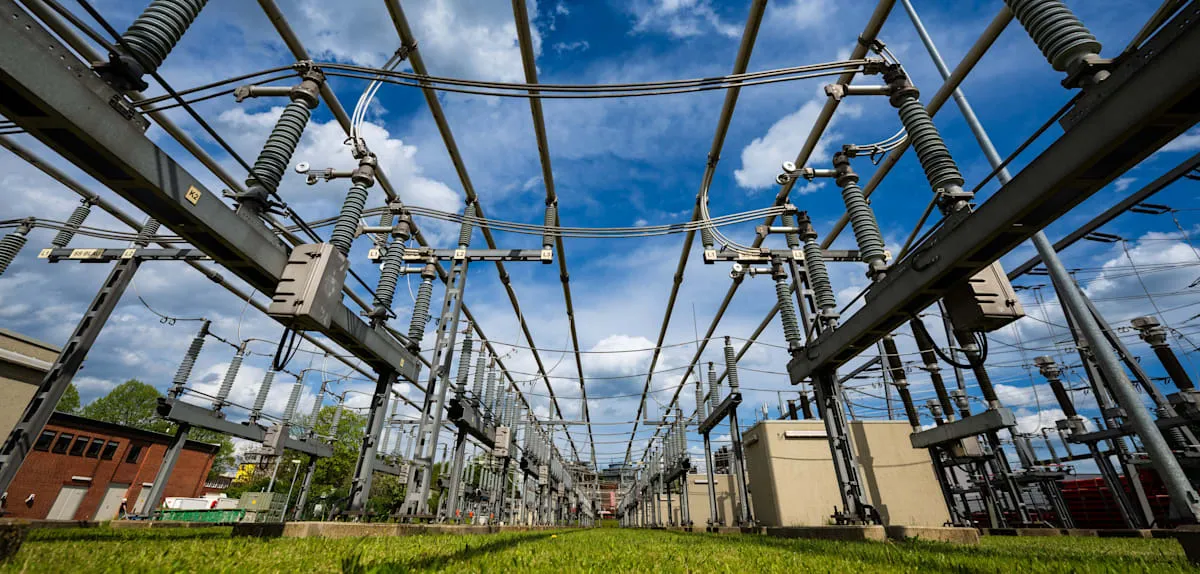
HAMBURG – The municipal energy utility of Hamburg, Hamburger Energienetze, has surprisingly announced a lack of capacity to allocate additional electricity connections for large consumers. This announcement, effective in 2026, immediately triggered a wave of concern among industrial players and businesses planning expansion or new investments in one of Germany's leading cities.
The city-owned utility is introducing a new procedure for allocating electricity connections. Paradoxically, this step is being launched precisely when the actual capacity of the regional power grid cannot accommodate significant additional demand.
This means that currently, no more large-scale electricity connections can be provided to entities requiring extra power supply. This situation fundamentally impedes the growth of the industrial, technological, and commercial sectors that rely on adequate energy infrastructure.
Economic analysts predict that this capacity crisis could slow down the pace of investment in Hamburg. Companies intending to build new facilities or expand operations will face significant uncertainty regarding the availability of vital energy.
The core of the problem lies in the limited transmission capacity from the inter-regional power grid to Hamburg's distribution network. These transition points have become a significant bottleneck, restricting the amount of power that can be supplied to the city.
A crucial question now arising is when the transition capacity from the supra-regional network to Hamburg can be expanded. Hamburger Energienetze has not been able to provide a definite timeline, adding to the uncertainty for potential investors.
The most affected sectors include data centers, high-tech production facilities, and large logistics companies that require massive amounts of stable electrical power. These are the backbone of the modern economy now facing the threat of stagnation.
The Hamburg city government is expected to respond promptly to this critical issue. Urgent and massive infrastructure investments to address the capacity deficit are a top priority to maintain the city's competitiveness.
Long-term energy policies must consider future demand increases, aligned with energy transition targets towards renewable sources. Inadequate grid capacity could hinder sustainability goals.
This situation in Hamburg may reflect similar challenges faced by other major European cities, where economic growth and digitalization demand more robust and adaptive energy infrastructure.
Editorial Insight: Hamburg's inability to provide large-scale electricity connections is not merely a technical issue; it is a profound indication of the need for more visionary infrastructure planning. As cities compete to attract technology and industrial investments, an energy deficit becomes a crucial impediment. The government and utilities must accelerate grid improvement projects, as delays will mean lost economic opportunities and potentially erode Hamburg's reputation as a progressive business hub in Germany.