 Angela Stefani
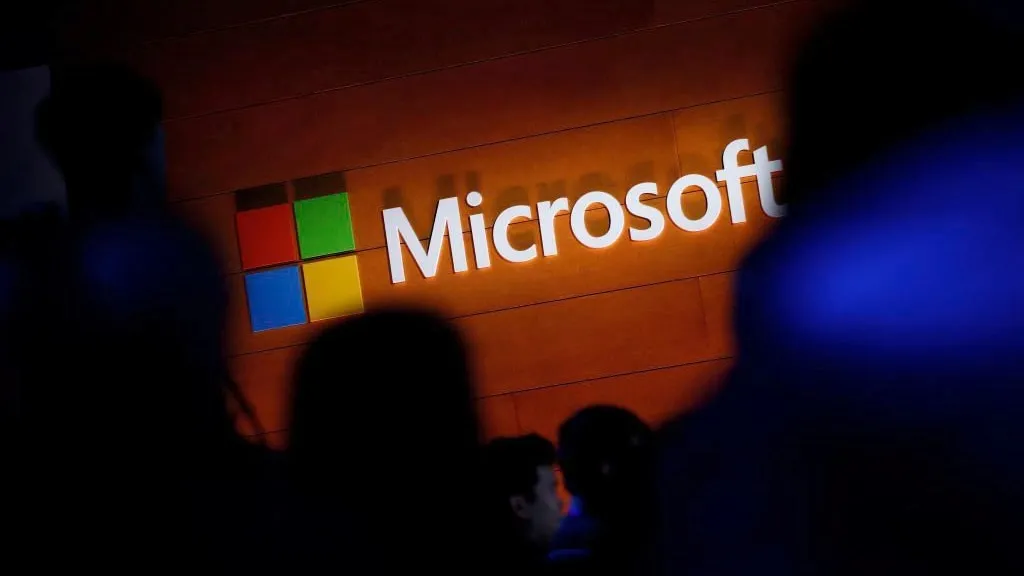
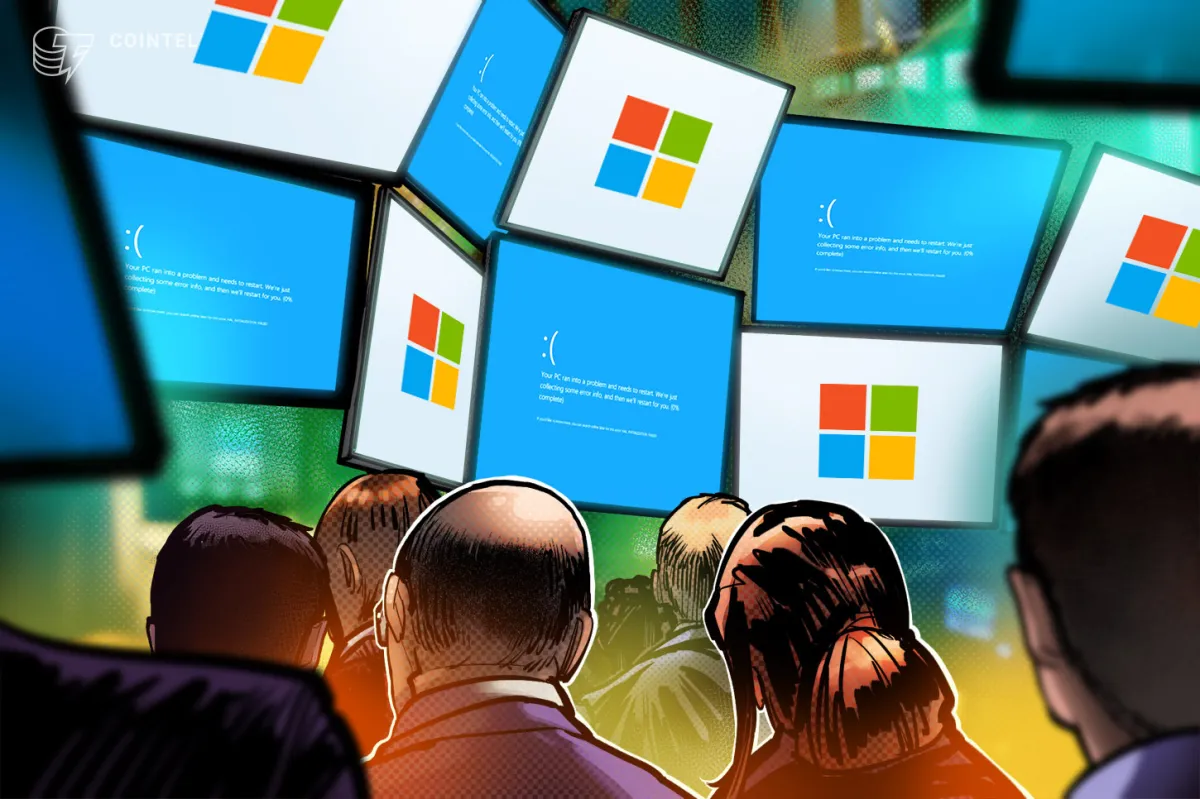
JAKARTA – The widespread outage of Microsoft services in 2026 dramatically highlighted the fragility of global digital infrastructure, triggering serious warnings from technology experts. This extensive incident sparked a crucial discussion about what is termed a massive 'cluster risk' stemming from the dependence of corporations and government institutions on a single provider. Cyber security expert, Dennis-Kenji Kipker, urged companies and authorities to immediately double their security measures for vital systems to prevent a recurrence of similar crises in the future.
Kipker, a leading information technology expert, unequivocally stated that this incident is clear evidence of policies that place core operational functionality in the hands of a single vendor. According to him, this situation creates a massive 'cluster risk' because most operational capabilities have been entrusted to one single provider. This perspective is particularly relevant given previous incidents such as Microsoft Apologizes: Global Service Outage Shakes 74 Countries in 2026, which have demonstrated the scale of impact from Microsoft service failures.
The concept of 'cluster risk' refers to a highly concentrated risk at a single point or entity. In the technological context, this means that if a major service provider like Microsoft experiences disruption, the domino effect can paralyze crucial operations across various sectors, ranging from financial services, government, to communications and logistics.
The impact of such an outage extends beyond mere operational inconvenience. Large corporations stand to lose millions of dollars hourly, while government agencies face serious threats to national security and essential public services. The reliance on systems like Microsoft Outlook, as highlighted in the article Microsoft Outlook Collapses Globally: Employee Irony Shakes the Cyber World in 2026, proves the vitality of every component in this ecosystem.
To mitigate this risk, Kipker emphasized the need for a dual security strategy. This not only means having data backups but also building redundant system architectures with different service providers or employing hybrid solutions that integrate on-premise infrastructure with cloud services from various vendors.
This discussion transcends mere technical solutions. It touches upon technology procurement policies and existing regulatory frameworks. Governments and regulators are now faced with the task of reviewing policies that might indirectly foster monopolies or duopolies in the provision of vital digital infrastructure.
Although specific details regarding the scale of this latest outage are still under investigation, patterns from previous incidents indicate that Microsoft service disruptions are often global in nature. This necessitates a coordinated response and collective awareness from countries worldwide.
This incident serves as a wake-up call for all stakeholders to be not only reactive but also proactive in building cyber resilience. Education on the importance of diversification and investment in local cyber expertise also becomes critically important.
'The future of our digital resilience depends on our ability to be not only innovative but also prudent in managing risks,' Kipker added, stressing that the speed of technological development must be balanced with caution in its implementation.
The Microsoft crisis of 2026 is not just about a technology company; it is a profound reflection on the digital architecture we have built and how we manage the inherent risks of dependence within it.
Editorial Insight: Incidents of service outages from technology giants like Microsoft should be a crucial moment for governments and the private sector to reformulate national cyber security strategies. Over-reliance on a single global vendor ecosystem, while cost and operationally efficient, has proven to create 'cluster risks' that are intolerable in the long run. Dual or multi-vendor security is no longer an option but a strategic necessity to maintain economic stability and vital data security in this digital era of 2026.