 Dodi Irawan
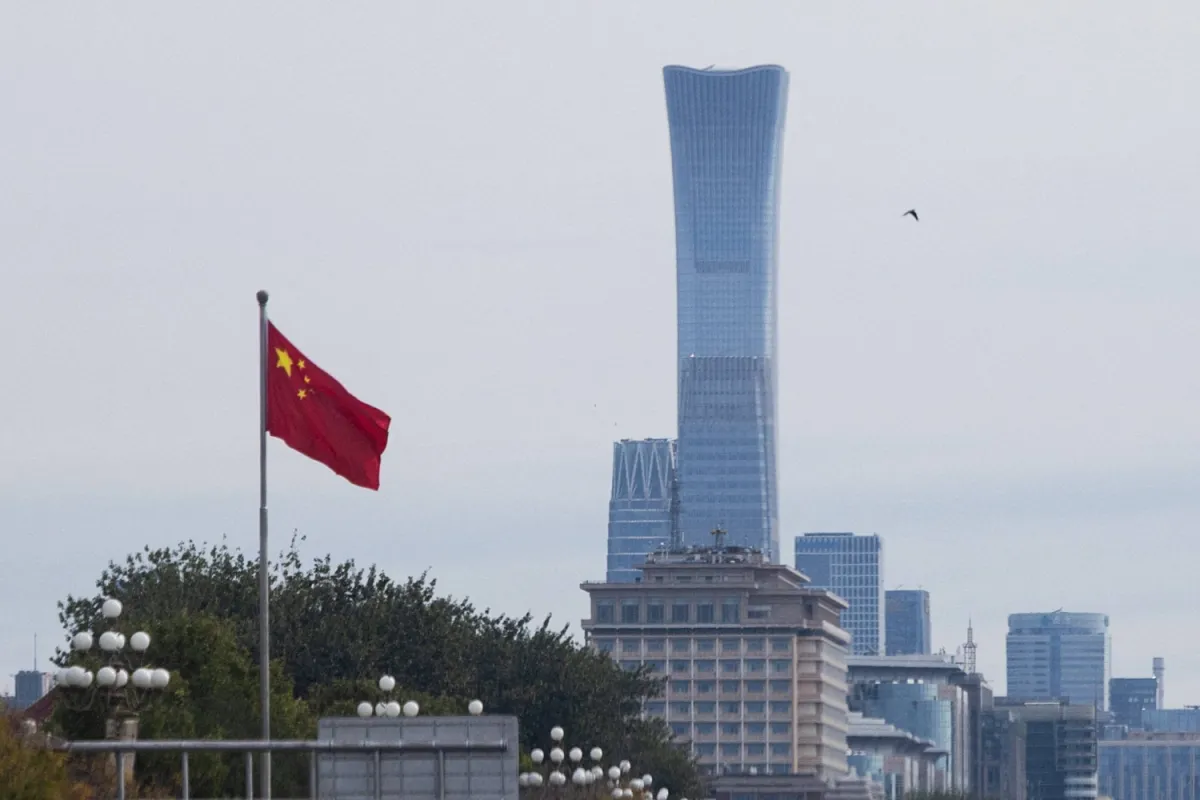
BEIJING – Authorities in Beijing have officially implemented a total ban on drone ownership and usage across the entire Chinese capital region starting in 2026. This drastic policy is a direct response to escalating national security concerns, encompassing both urban and rural areas spanning approximately 16,400 square kilometers, an area equivalent to half the size of Belgium.
This new regulation marks China's most stringent measure yet in controlling drone technology, underscoring the government's priority on internal stability and security. The comprehensive scope of the ban signals the authorities' seriousness in mitigating potential threats.
Key concerns underpinning this policy include the potential misuse of drones for espionage, illegal surveillance, or even attacks on critical infrastructure and public events. Given Beijing's status as the capital and political hub of China, its security is an absolute, non-negotiable priority.
A spokesperson for the Ministry of Public Security stated, This decision is crucial for maintaining public order and protecting the nation's strategic assets. Drone technology, while offering numerous benefits, also carries significant risks that must be strictly managed in sensitive areas like Beijing.
The ban will have a substantial impact on drone hobbyists, commercial operators, and the logistics sector that has begun adopting this technology. They will need to seek alternatives or relocate operations outside the designated prohibited zone. The global drone community is closely observing this highly restrictive policy.
Beijing's move aligns with a global trend where many countries are tightening regulations on drone use, particularly in sensitive areas. However, the total ban across an entire metropolitan region like Beijing sets a significant precedent.
Security analysts suggest that this policy could be a response to undisclosed security incidents or a pre-emptive measure against potential future threats. China is known for its strict control over information and technologies deemed capable of disrupting stability.
The economic implications of this ban are also considerable. The rapidly growing drone industry in China may face new challenges in operations and innovation, at least within the capital region.
This policy also sparks debate about the balance between technological advancement and the imperative of national security. As autonomous technologies evolve, regulatory issues become increasingly urgent for international discussion, as called for in The Autonomous Weapons Revolution on the Brink: UN Calls for Global Ethical Limits.
This regulation demonstrates that the Chinese government is not hesitant to take extreme measures to safeguard its sovereignty and security amid an increasingly complex geopolitical landscape, reminiscent of Strong Alliance: Australia and the Philippines Boost Defense Against Chinese Aggression in facing regional threats.
Editorial Insight: Beijing's decision to implement a total drone ban is a manifestation of China's highly centralized national security doctrine. This move indicates that the potential risks of drone usage, even by civilians, are deemed to outweigh their benefits in the capital. The policy could become a model for other major Chinese cities or nations with similar security priorities, while also raising questions about the future of drone technology innovation in an increasingly stringent regulatory environment.