 Demian Sahputra
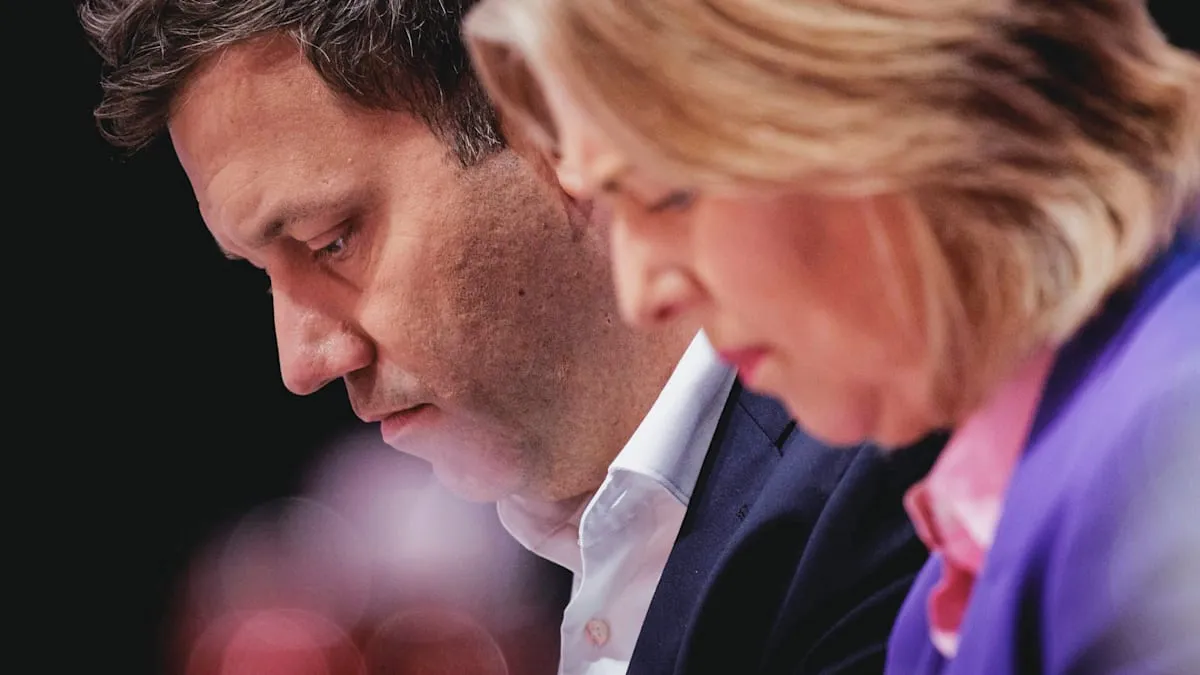
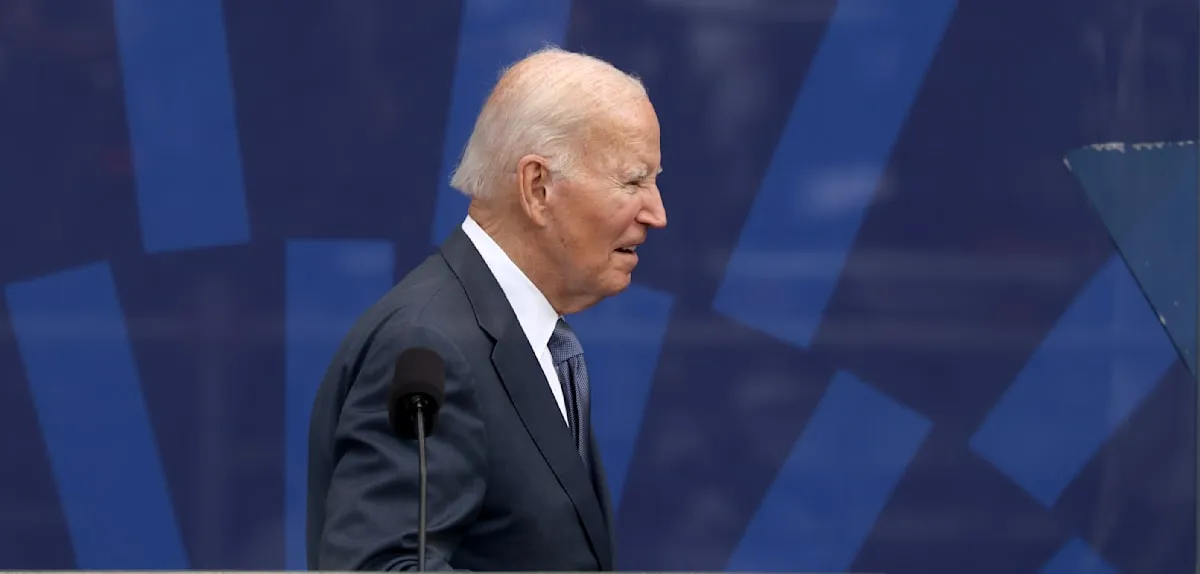
Saxony-Anhalt – Lars Klingbeil, a co-leader of Germanys Social Democratic Party (SPD), once again found himself defending the nations increasing federal interest payments. This occurred during a citizen dialogue in Saxony-Anhalt amidst dwindling public trust in political figures, including himself and Bundestag President Barbel Bas, as revealed by a recent 2026 survey.
During the forum, Klingbeil explained that the rise in interest payments is an unavoidable consequence of turbulent global economic conditions and fiscal measures taken by the federal government to maintain stability. He emphasized the necessity for adaptive policies amidst inflationary pressures and fluctuating interest rates.
However, his explanation seemingly did not fully alleviate the concerns of the citizens present. Many participants voiced their apprehension over the escalating financial burden on the state, which could ultimately affect the general public through various other fiscal policies.
This situation reflects the serious challenges confronting Germanys coalition government amidst economic turmoil and growing voter dissatisfaction. Federal interest payments have become one of the most sensitive issues in the national budget, sparking intense debate in parliament and among the populace.
Citizens are demanding greater transparency and accountability regarding the management of public finances. They seek clear, long-term strategies from the government to control expenditures and ensure the efficient use of taxpayer money.
Germany, as one of Europes economic locomotives, is not immune to significant inflationary pressures and rising interest rates. Central bank monetary policies and global market conditions directly impact the governments ability to manage debt and financing.
A recent survey starkly indicated that a majority of German citizens consider both Klingbeil and Barbel Bas to be ill-suited for their respective positions. These figures of dissatisfaction serve as a red flag for the SPD and the ruling coalition.
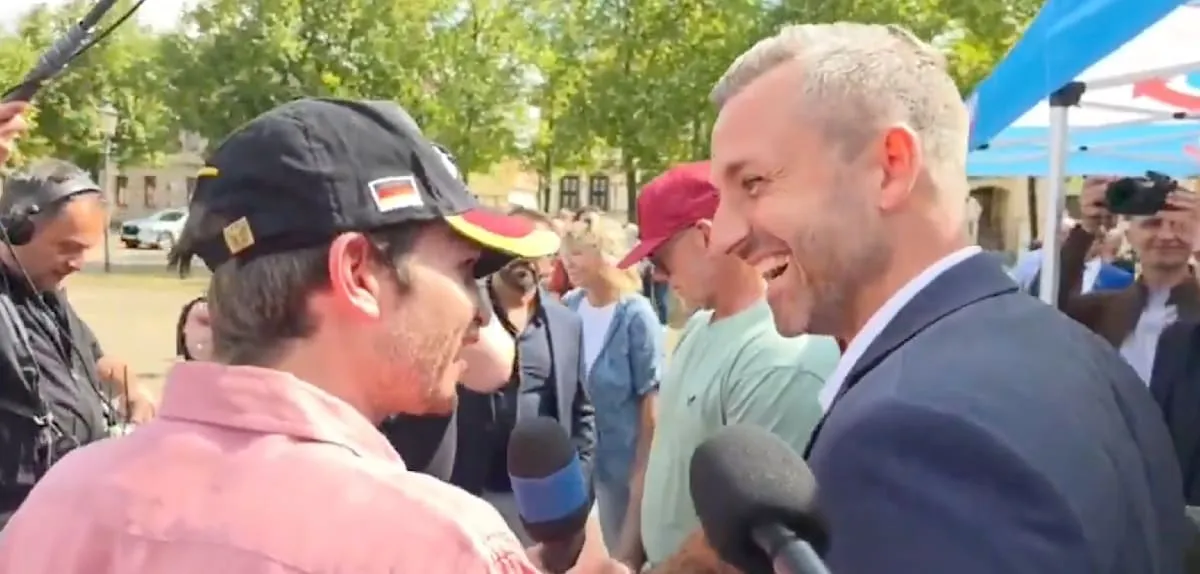
This is not the first instance of German political figures facing intense public pressure. Previously, a heated debate between Siegmund of AfD and a ZDF moderator in Oranienburg also signaled a high level of public frustration with political representation.
Mainstream parties are striving to convince voters that their policies are pro-people and designed to tackle economic challenges. Nevertheless, the gap between political promises and the economic reality perceived by the public appears to be widening.
Citizen dialogues, such as the one held in Saxony-Anhalt, are crucial platforms for politicians to interact directly and listen to public aspirations. However, the effectiveness of such dialogues is questioned if not accompanied by concrete policies and tangible results.
The future of German politics in 2026 is marked by uncertainty and the need for strong leadership. The coalition government must demonstrate unity, a clear vision, and adaptability to navigate the wave of upcoming challenges.
Public opinion, particularly in states like Saxony-Anhalt which often serve as a barometer for national sentiment, plays a crucial role in Germanys political dynamics. Responsiveness to criticism and the courage to make difficult decisions will determine the governments future legitimacy.
Editorial Insight: Lars Klingbeils defense of federal interest policies highlights the intricate dilemma politicians currently face: balancing national fiscal needs with increasingly high public expectations. The significant dissatisfaction with key government figures such as Klingbeil and Bas indicates a deep crisis of trust. Without more effective communication and policies that provide tangible benefits to society, political polarization in Germany is likely to intensify. The government must aggressively counter prevailing narratives in society to prevent further erosion of support.