 Dodi Irawan
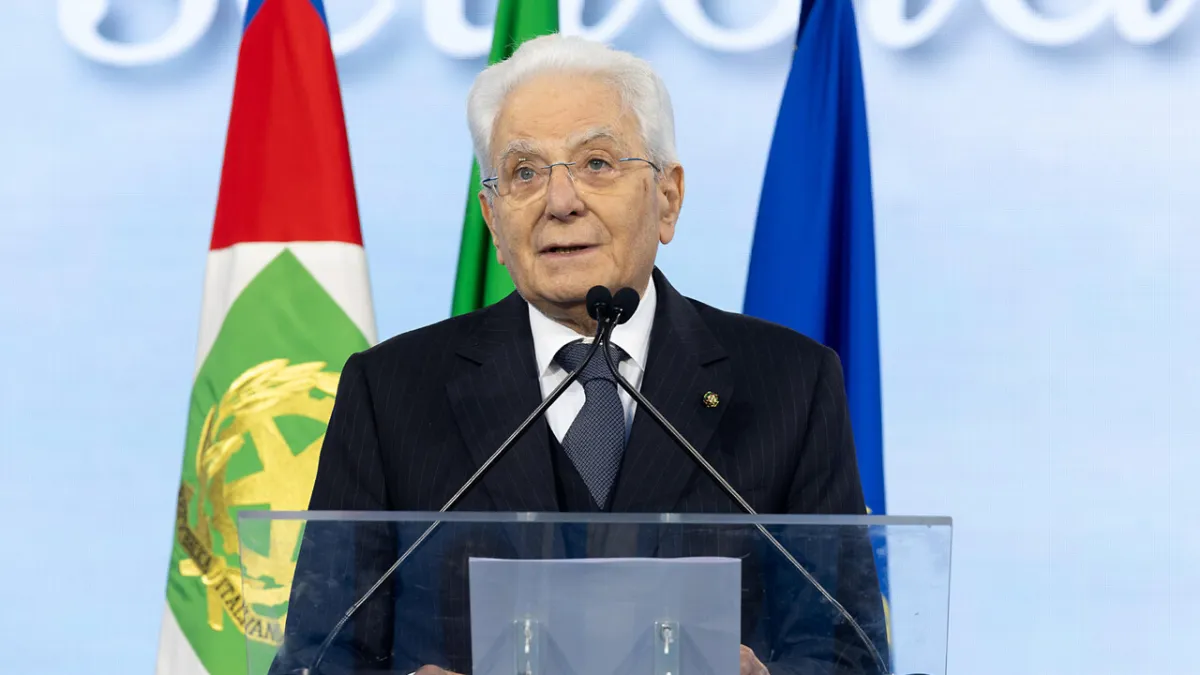
TURIN – The President of the Italian Republic, Sergio Mattarella, today inaugurated the 2026 'Terra Madre - Salone del Gusto' event in the city of Turin. This international event serves as a crucial platform to highlight the urgency of food sovereignty, the challenges facing global food systems, and the importance of sustainable agricultural models amidst an intensifying climate crisis.
In his opening address, President Mattarella emphasized that food issues are not merely economic commodities, but rather the foundation for human health, social justice, and ecosystem sustainability. He highlighted how current patterns of food consumption and production exacerbate environmental degradation and widen social inequalities.
'We must unite to build a food system that is more resilient, just, and environmentally friendly,' Mattarella asserted. 'Food is a fundamental human right, and it is our collective responsibility to ensure that every individual has access to healthy and nutritious food, without compromising the future of this planet.'
Terra Madre - Salone del Gusto, organized by the Slow Food Movement in collaboration with the City of Turin, is recognized as one of the world's most influential food and gastronomy exhibitions. The event brings together farmers, small producers, academics, activists, and consumers from over 150 countries to share best practices and seek innovative solutions.
The 2026 context reveals an increasingly evident climate crisis, with extreme weather phenomena significantly impacting the agricultural sector. Prolonged droughts in some regions and floods in others pose a serious threat to global food security, including for Italy itself, which relies on local production.
On another note, recent reports indicate that Italy's budget deficit remains a serious concern, a situation that could affect investments in sustainable agriculture. This issue, as revealed by Istat reports, highlights the complexity of maintaining economic stability while pursuing ambitious environmental agendas. This also aligns with the macroeconomic challenges Italy might face, as discussed in the context of Italy's Worsening Deficit.
The event is expected to facilitate constructive dialogue on adaptive food policies, the development of green technologies, and the promotion of biodiversity as a defense against climate change. Various workshops, discussion forums, and local product markets are organized to stimulate the exchange of ideas.
International delegates bring local wisdom and innovations from various parts of the world, reflecting a global commitment to transforming food systems. Their presence underscores that solutions to food challenges require a multi-sectoral approach and cross-border collaboration.
The Slow Food Movement, headquartered in Italy, is the driving force behind Terra Madre's philosophy: 'good, clean, and fair.' This principle advocates for delicious food, produced sustainably without harming the environment, and ensuring fair prices for both producers and consumers.
Through this platform, concrete agreements and initiatives are expected to emerge, applicable at both local and global levels, strengthening networks of small-scale food producers, and raising public awareness about the importance of responsible food choices.
Editorial Insight: President Mattarella's inauguration of Terra Madre is a strong signal of Italy's commitment to food diplomacy and sustainability. In the challenging global landscape of 2026, such events serve not merely as exhibitions but as strategic forums for shaping collective narratives and actions in the face of existential crises. The presence of a head of state at an event rooted in a grassroots movement like Slow Food also sends a critical message about the political recognition of often-marginalized issues.