 Chris Robert
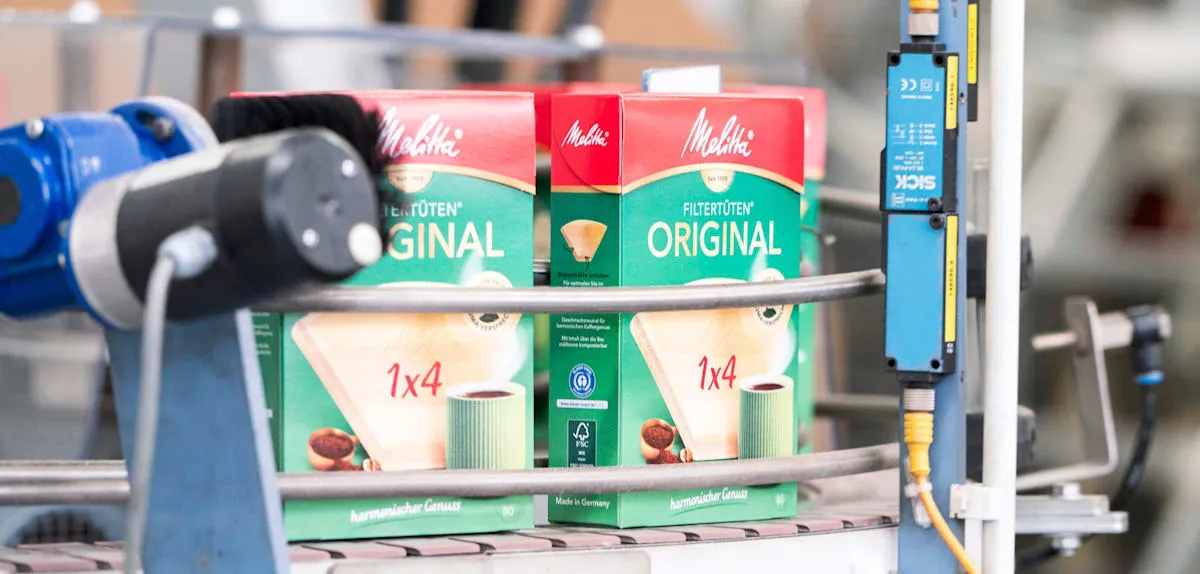
BIELEFELD – The renowned coffee and filter company, Melitta, recently issued a strong warning to policymakers in Germany. After facing two years of financial crisis that resulted in losses of almost 100 million euros, Melitta's management emphasized that the sustainability of the welfare state depends on economic growth and value creation. This statement comes amidst the company's efforts to return to profitability by 2026, highlighting the urgency of synergy between the business sector and politics.
This fundamental statement was delivered by the directors of the Melitta Group, highlighting the ongoing uncertainties clouding the global economy. They asserted that without a strong economic foundation and sustainable value creation, the pillars of the welfare state would not be able to stand firm.
In its released financial details, Melitta revealed significant losses nearing 100 million euros over the past two years. This figure reflects the major challenges faced by the manufacturing industry amidst market volatility and inflationary pressures.
Nevertheless, the Bielefeld-based company remains optimistic about turning the situation around. Internal projections indicate that Melitta aims to regain profitability by 2026, an ambition that requires adaptive strategies and a conducive business environment.
The leaders of Melitta underscored the importance of constructive dialogue between the business world and the government. They urged the government to better understand the dynamics and needs of the private sector as the engine of national economic growth.
Politics must understand that economy and value creation are the foundation for our welfare state, stated Melitta's management. This message is not merely a complaint, but a call for proactive action from the government.
The global economic crisis, exacerbated by the pandemic and geopolitical conflicts, has had a cascading impact on various industrial sectors, including food and beverages. Melitta, as a long-standing player in the market, was not immune to these repercussions.
The manufacturing sector, in particular, bears a dual burden from rising production costs, supply chain disruptions, and changing consumption patterns. Companies are required to innovate while maintaining competitiveness in an increasingly tight market.
Analysis suggests that Melitta's warning is relevant to the broader debate concerning Germany's fiscal health. Pressure on the state budget, combined with the need to fund public services, makes economic wealth creation crucial.
Government policies that support investment, innovation, and job creation are essential to keep the economic wheels turning. Without these, the potential for tax revenue and social contributions from companies will erode.
Some link this situation to discussions about Germany's future political and economic direction. Political stability is also under scrutiny, as previously discussed in the article Altmaier Warns: Public Trust at Risk, CDU Faces Leadership Crisis, which highlighted how fragile public trust can be when the economy falters.
Melitta hopes their warning will trigger deep reflection among politicians, ensuring that policies are truly geared towards long-term economic sustainability and public welfare.
The challenge of post-crisis economic recovery demands close collaboration among all stakeholders, from government, businesses, to civil society. Only with this synergy can inclusive and sustainable growth be achieved.
Editorial Insight: Melittas warning is not just a corporate complaint, but a reflection of broader concerns among German business leaders. The message that without value creation, there is no welfare state should serve as a wake-up call for the government to recalibrate its policy priorities. The dependence of social stability on a strong economic foundation is a truth that cannot be ignored, especially when the country faces demographic pressures and increasing demands for public services. Failure to respond to these signals seriously could lead to an erosion of public trust and more severe economic instability.