 Chandra Wijayanto
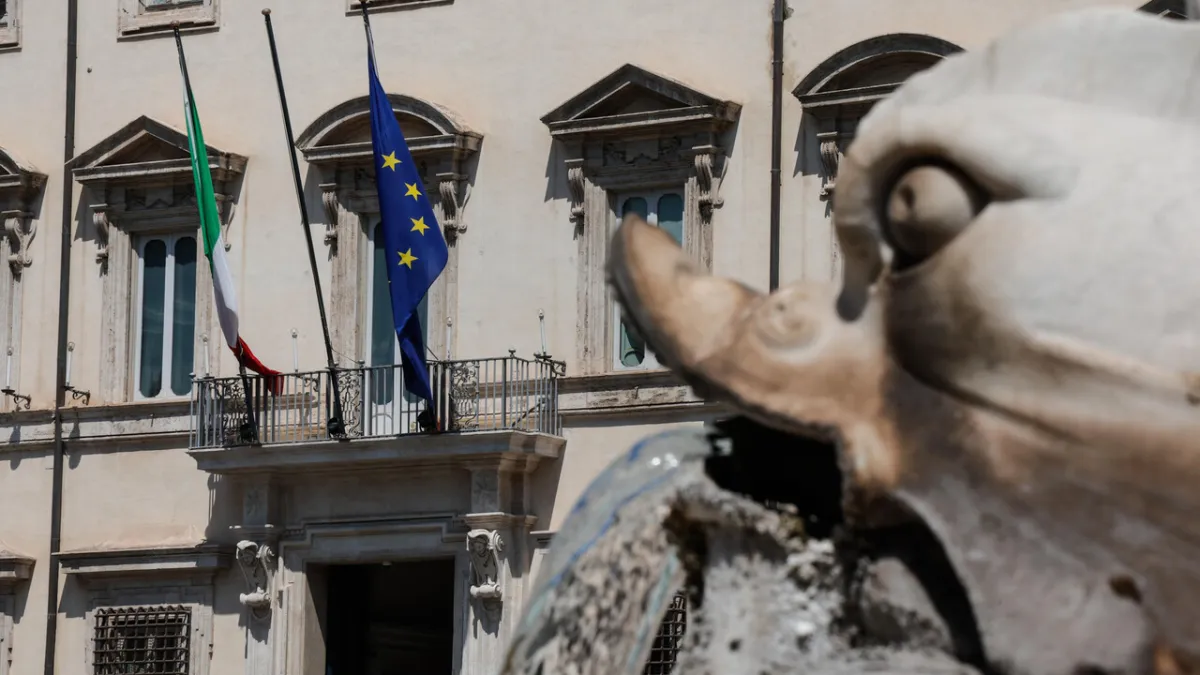
ROME – Italian Prime Minister Giorgia Meloni chaired a crucial virtual meeting in 2026, involving leaders from the government's majority coalition. The main agenda was the discussion of the budget draft or 'manovra,' which is vital for Italy's economic stability and growth in the coming year. This high-level meeting, also attended by Economy Minister Giancarlo Giorgetti, drew significant attention due to its implications for fiscal policy and public welfare.
The meeting took place amidst a global economic landscape fraught with uncertainty. Italy faces various challenges, ranging from persistent inflationary pressures to fluctuating energy prices and interest rates. The 2026 budget draft is expected to provide a strategic response to these issues while ensuring the country's fiscal sustainability.
The budget 'manovra' is not merely a financial document; it is an economic and social roadmap reflecting government priorities. Decisions made in this meeting will determine the allocation of funds for vital sectors such as health, education, infrastructure, and tax policies affecting millions of citizens and businesses.
As head of government, Prime Minister Meloni is at the forefront of securing consensus among coalition partners. The greatest challenge is balancing electoral promises with the reality of budgetary constraints and the demands for fiscal discipline from the European Union. Her commitment to economic development and political stability is on the line.
On the other hand, Economy Minister Giorgetti's role is crucial in formulating the technical details of the budget draft. He is responsible for ensuring that every fiscal policy proposal is not only realistic but also sustainable in the long term. Internal coalition discussions are expected to be intense, particularly regarding spending priorities and potential deficits.
Internal sources indicate that several key focus areas in the 2026 budget discussions include efforts to reduce the tax burden for families and small businesses, investments in green energy transition, and strengthening social safety nets. The government also aims to attract foreign investment to stimulate job creation and innovation.
The final decisions on the budget draft will have a direct impact on public purchasing power and business prospects. Entrepreneurs and consumers across Italy are eagerly awaiting the outcomes of this meeting, hoping that the resulting policies can alleviate economic burdens and create new opportunities.
Pressure also comes from financial markets and international rating agencies, which will closely monitor Italy's financial sustainability. Fiscal stability is key to maintaining investor confidence and preventing broader economic turmoil. Global interest rate issues, such as the Fed's rate hikes, are also an indirect consideration in formulating Italy's budget policy.
The parliamentary approval process for the budget draft will also be a critical next phase, where the government must face the opposition and convince the public about the urgency and benefits of each policy. Consolidating votes among coalition members is an absolute prerequisite for a smooth legislative process.
Editorial Insight: This virtual meeting led by Prime Minister Meloni underscores the complexities of economic governance in the modern era. With the 2026 budget at stake, the government's capacity to navigate domestic dynamics and external pressures will be tested. Success or failure in formulating a balanced fiscal policy will be a crucial indicator of political stability and Italy's economic prospects under Meloni's leadership.