 Stefani Rindus
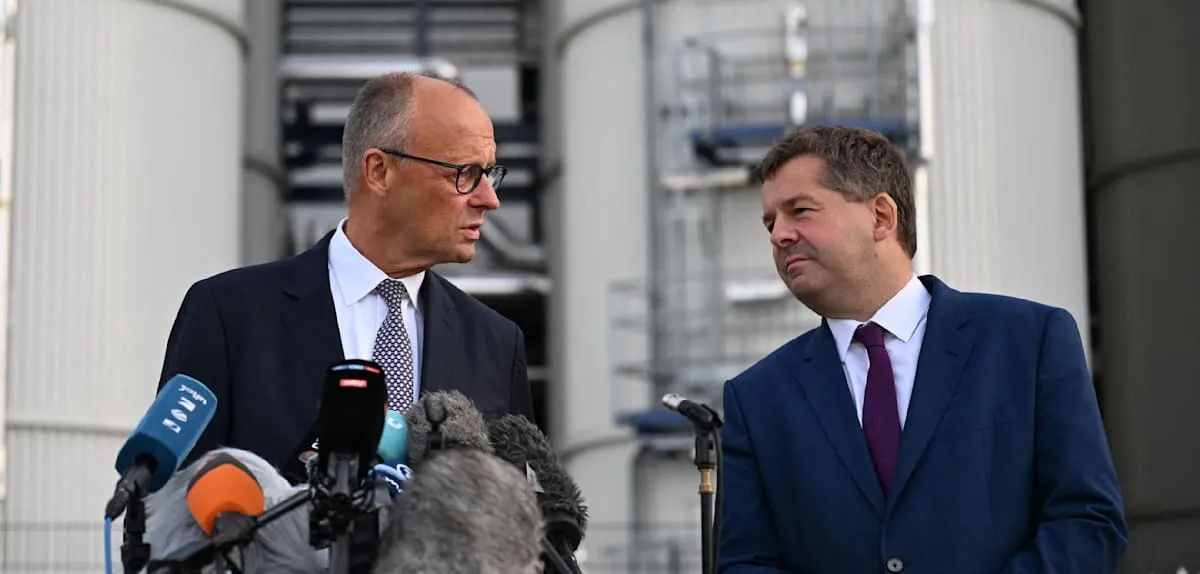
SACHSEN-ANHALT – Christian Democratic Union (CDU) leader, Merz, has drawn public attention with an unusual campaign appearance in Sachsen-Anhalt. In his second and final visit before the 2026 General Election, Merz chose to avoid direct interaction with voters, delivering only a brief message wishing candidate Schulze much success, without further elaboration. This event quickly sparked widespread speculation about the motives behind such an odd communication strategy.
Merzs presence during this crucial campaign phase felt out of place. Instead of holding rallies or engaging in open dialogue with the public, he opted for a visit format with minimal exposure. Anonymous sources even referred to it as Ein seltsamer Auftritt des Kanzlers, highlighting the peculiar approach taken by a figure as prominent as Merz, often dubbed a shadow Chancellor by some media outlets.
The brief visit reportedly took place far from public crowds and major population centers. The decision to limit interaction with constituents at a time when electoral support is vital raises significant questions. In an increasingly competitive political contest, especially in states like Sachsen-Anhalt, every direct engagement with voters holds invaluable strategic weight.
The narrative of Merz being seemingly hidden by his own party has resurfaced. Some political observers suggest this strategy might aim to avoid controversy or protect a specific image from being eroded by intense campaign dynamics. This issue was previously discussed in the article Chancellor Merz Hidden by Party? Strange Strategy Ahead of Sachsen-Anhalt 2026 Election, reinforcing suspicions of a similar communication pattern.
The terse much success message directed at Schulze, unaccompanied by any substantial details, further complicates the situation. Schulzes identity—whether a local candidate, regional party leader, or merely an activist—remains unclear from initial reports. However, the minimal substance of the message from a national figure like Merz indicates an unconventional approach.
The context of the Sachsen-Anhalt 2026 Election is also worth considering. This state is known as a dynamic political arena, with parties like the AfD (Alternative for Germany) showing significant increases in support, as noted in the article AfD Soars: ZDF Survey Reveals Record Support Ahead of Sachsen-Anhalt 2026 Election. Under such conditions, the CDUs campaign strategy should ideally be more proactive and directly engage with the masses.
This approach contrasts sharply with traditional political campaign norms, which typically rely on physical presence, impassioned speeches, and Q&A sessions with the public. These conventional methods aim to build emotional connections and directly persuade voters. The absence of these elements from Merzs visit is truly perplexing.
Political analysts are now grappling with various hypotheses. Is this a sign of overconfidence in a solid voter base? Or, conversely, an indication of the partys concern about potential negative public reactions if Merz appears too frequently in public?
Further speculation involves the possibility of internal party issues that the party wishes to keep from public scrutiny. This isolation strategy could be an attempt to control the narrative or avoid difficult questions that might arise from direct interaction with the media or voters.
The implications of this strategy for the CDUs electability in Sachsen-Anhalt could be significant. Modern voters tend to value transparency and accountability. A lack of direct interaction can be interpreted as an elitist stance or indifference to public aspirations.
Such campaign behavior could potentially harm local candidates supported by Merz, including Schulze, as they would not receive the full moral boost and maximum publicity from the presence of a national leader. This communication void may need to be filled with convincing explanations from the CDU.
Editorial Insight: Merzs campaign approach in Sachsen-Anhalt projects an ambiguous aura. While it could be interpreted as a strategic attempt to focus attention on local candidates or avoid sensitive issues, the risk of voter alienation is undeniable. In an increasingly fragmented political landscape, a minimalist strategy like this could backfire, eroding public trust and strengthening opposition narratives about the partys unclear vision. Its success or failure will serve as an important lesson for future political strategies.