 Angela Stefani
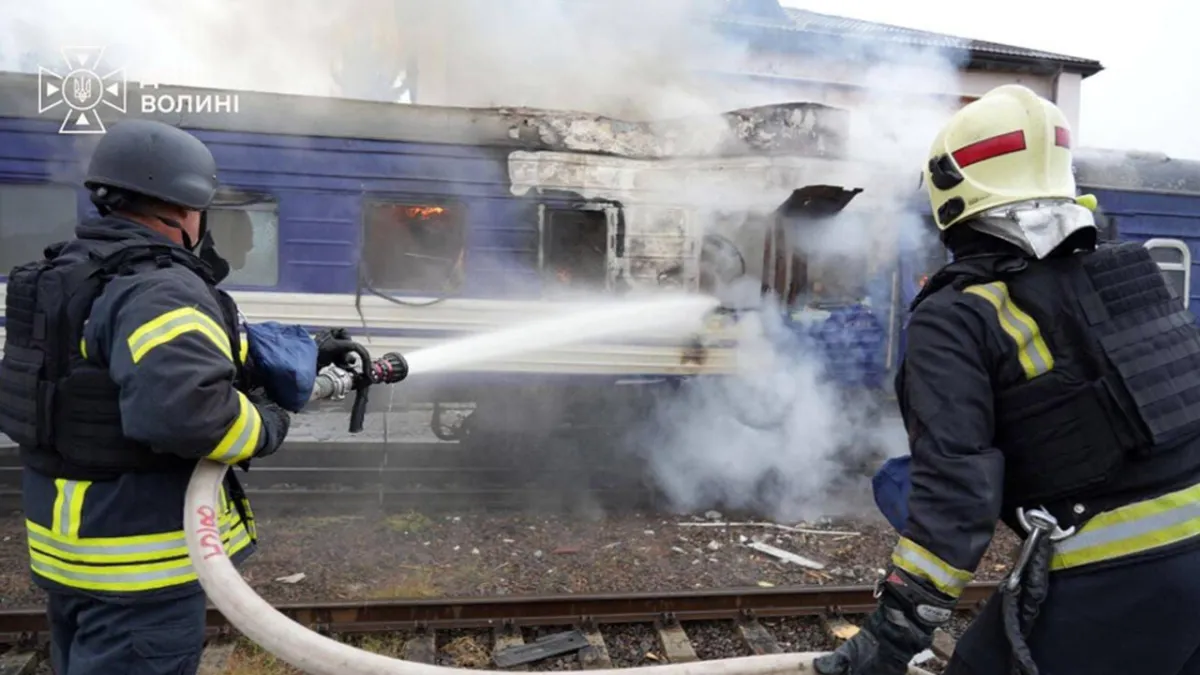
BRUSSELS – Serious warnings regarding European stability are being sounded, with senior German politician Friedrich Merz urging that threats to peace be taken seriously. This statement follows an incident of an attack on a Ukrainian train, which according to Estonian Prime Minister Kaja Kallas, aimed to scare Western nations, while Paris views it as an attempt to divide Kyiv's allies.
Merz, who serves as the Chairman of the Christian Democratic Union (CDU), emphasized that the security landscape of the blue continent is now more fragile than ever. He stressed the urgency for European leaders to set aside differences and unite to face increasingly challenging geopolitical realities, particularly the threats looming over regional peace.
Merz's concerns are inseparable from the continuous attacks on vital infrastructure in conflict zones. He explicitly urged all European Union and NATO member states not to underestimate the escalation, but rather to prepare a firm and coordinated collective response.
From Tallinn, Prime Minister Kaja Kallas offered a sharp perspective on the motives behind the train attack in Ukraine. The objective of the attack on the Ukrainian train was clear: to scare the West, Kallas stated. According to her, this action is part of a larger strategy to create uncertainty and erode international support for Kyiv.
Kallas added that such tactics are designed to test the resilience and solidarity of Western nations. If left without an adequate response, she fears similar attacks will recur and further destabilize the region.
A similar statement also came from Paris, underscoring the political impact of the incident. Official sources in Paris stated, The attack on the train was specifically aimed at dividing Kyiv's allies. This statement reflects France's concern about the potential fracturing of unity among countries supporting Ukraine.
France views this attack as an act of disinformation and destabilization intended to break consensus. Western solidarity, which has been a strong foundation in supporting Ukraine, becomes the primary target of such provocations.
This context further highlights the importance of a unified response. Germany itself, represented by its government, has repeatedly pushed for stronger sanctions against those responsible for regional destabilization. This call is now even more relevant with Merz's warning and the analyses from Estonia and France.
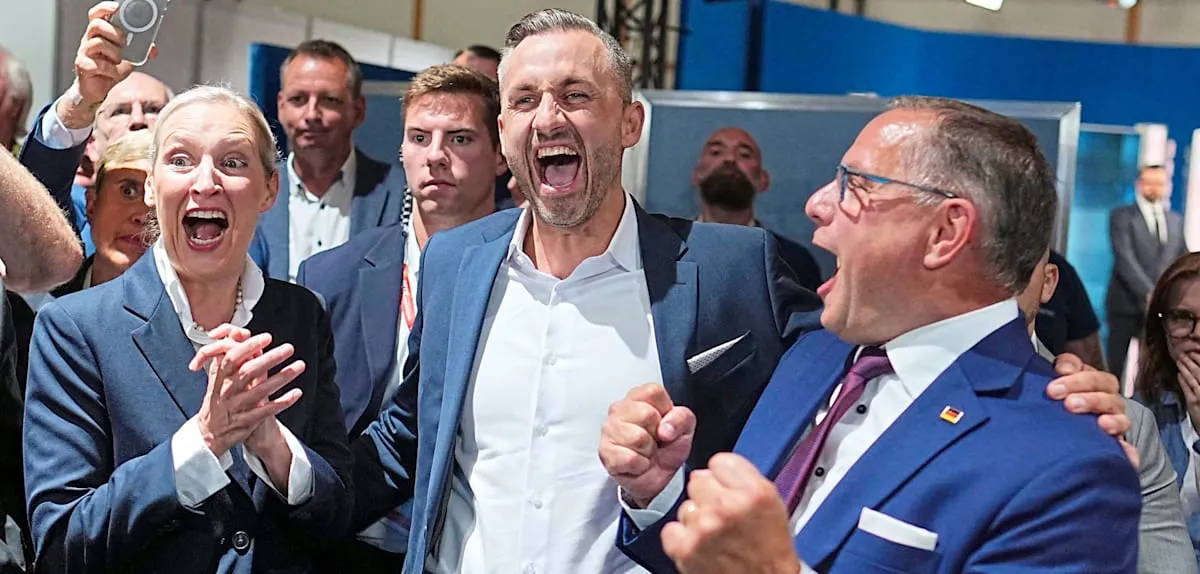
Within Germany's internal political dynamics, Merz's position as CDU leader is also under scrutiny. His party has faced electoral challenges, as seen in the news 70-Year Plunge: CDU's Sharp Decline, AfD Rages in German Local Elections. However, on issues of national and regional security, the CDU consistently calls for vigilance and firmness.
The threat to European peace is also exacerbated by continuous disinformation campaigns and cyberattacks. Such incidents, along with physical aggression, create an environment of uncertainty that tests the continent's mental and political resilience.
European leaders are now at a crossroads, pressured to take concrete actions and not merely engage in rhetoric. Military readiness, cyber resilience, and strong diplomacy are key to maintaining an increasingly fragile peace.
Editorial Insight: The warnings from Merz, Kallas, and Paris collectively affirm that Europe is entering a critical phase. The attack on the Ukrainian train is not merely an isolated incident, but an indicator of a broader strategy to weaken Western solidarity. A fragmented response will only worsen the situation. Political and military unity, coupled with effective counterintelligence efforts, are crucial to prevent further escalation and maintain regional security order. Failure to take this threat seriously could trigger long-term impacts on the continent's geopolitical stability.