 Edward DP Situmorang
BERLIN — Berlin's political stage has been rocked by surprising news after Governing Mayor Kai Wegner officially withdrew from his position as the Christian Democratic Union (CDU) lead candidate for the Abgeordnetenhaus general election scheduled for September 2026. This dramatic decision follows the emergence of a 'lies affair' scandal that has caused serious turmoil in the German capital.
Wegner's withdrawal, who currently serves as Berlin's Mayor, was announced suddenly after various investigative reports uncovered allegations of false information involving him. This event quickly became a major headline, reshaping Berlin's political landscape ahead of a crucial electoral contest.
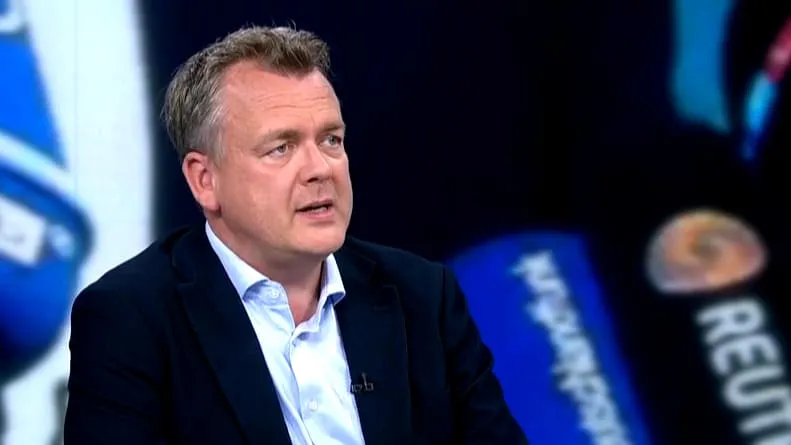
The scandal, subsequently known as the 'Lügen-Affäre,' surfaced weeks ago, triggering a massive wave of criticism and public pressure. Lars Petersen, Head of the Investigative Department at WELT media, highlighted the handling of this crisis as “unfathomably poor communication management.” Petersen's statement indicated that Wegner and his team's response to the allegations only worsened the situation, rather than defusing it.
The core of this scandal relates to statements accused of misleading the public on sensitive issues. While the specific details of the allegations are still subject to debate, the impact has shattered Wegner's political credibility in the eyes of constituents and party colleagues.
Wegner's resignation is not just the loss of a candidate but a significant blow to the Berlin CDU. The party must now scramble to find a replacement capable of restoring public trust and facing the challenges of the 2026 Abgeordnetenhaus election. This situation is reminiscent of political dynamics that occurred in Berlin some time ago, as contained in the related article titled Stepping Back from the Berlin Spotlight: A Golden Opportunity for the Union to Shake German Politics in 2026?, which discusses how leadership changes can open new opportunities for other parties.
Petersen's analysis underscores a strategic failure in managing the crisis. “Kai Wegner is indeed a political one-hit wonder,” he said, implying that Wegner's political career trajectory might be permanently tarnished by this incident. This assessment places Wegner in a difficult position, as if he only managed to reach the peak momentarily before falling.
Wegner's decision also raises major questions about the stability of the ruling coalition in Berlin. Although he remains the Governing Mayor until the next election, the shadow of this scandal is expected to affect the legitimacy of his administration and complicate efforts to consolidate policies.
Various speculations are now emerging regarding who will step forward as the next CDU lead candidate. New names are expected to appear, offering different visions and strategies to lead the CDU out of this crisis of confidence. Finding the right figure is crucial to prevent the disintegration of party support.
Public reaction to Wegner's withdrawal has been varied. Some see it as a commendable form of accountability, while others are disappointed by the recurring political upheavals in Berlin. Berlin's political environment is indeed often turbulent, as seen in an incident once covered in the news Berlin in Turmoil: New Curfew Rules Spark Outrage, Lawsuits Threaten.
This scandal also has the potential to benefit opposition parties. They will undoubtedly seize this moment to erode CDU's dominance and offer more promising leadership alternatives to Berlin voters. Such dynamics are not new in the German political arena, similar to the intrigues once exposed by an AfD politician regarding internal party scandals, as can be read in AfD Politician Reveals Internal Party Scandal, Threat of Expulsion Emerges.
As of now, the search process for Wegner's replacement is ongoing intensively within the CDU. Great challenges await the party to re-convince voters that they remain a credible political force capable of leading Berlin through these difficult times.
This incident serves as a sharp reminder of the importance of integrity and transparency in political leadership, especially in today's interconnected era. Any communication error, let alone alleged lies, can have far greater consequences and shake the foundation of one's political career in an instant.
The situation in Berlin is heating up as September 2026 approaches. Kai Wegner's withdrawal is not just a footnote in Berlin's political history, but a new chapter full of uncertainty, yet also potential for significant change for the future of this cosmopolitan city. The public awaits how the CDU will rise from this setback and who they will choose to lead the battle in the Abgeordnetenhaus election.