 Dodi Irawan
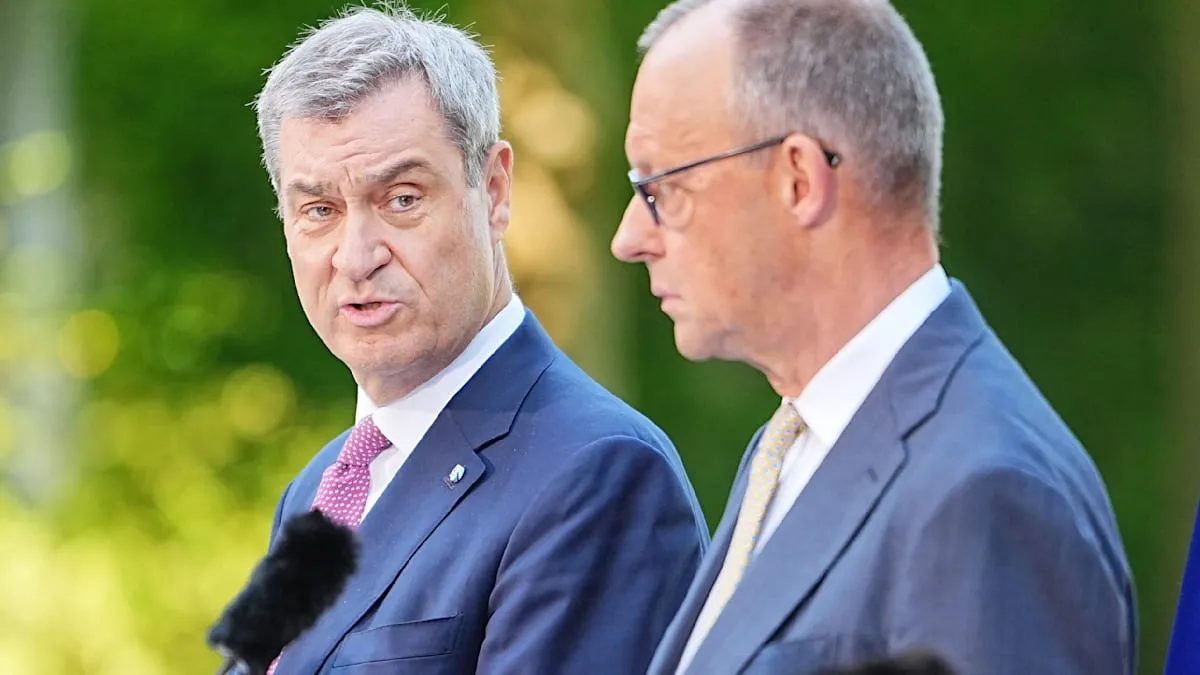
BERLIN — Friedrich Merz, leader of the Christian Democratic Union (CDU), faces significant political pressure in 2026 to promptly resolve the succession issue for the Union parliamentary group leadership. The vacant position left by Jens Spahn is under intense scrutiny, particularly amid the Union's plunging credibility in public polls, creating a formidable challenge for coalition stability and the future direction of German politics.
This situation places Merz at a critical juncture, where his decisions will not only determine the new face of the parliamentary group's leadership but also potentially influence public perception of the Union's ability to navigate internal crises.
The replacement of Jens Spahn as the Union's faction leader in the Bundestag has become urgent. His departure is reportedly linked to a surrogacy scandal that rocked the CDU leadership, an incident that contributed to the decline in public trust towards the conservative party.
Leonie von Randow, a political reporter from WELT, emphasized, "The Union's credibility, according to survey results, is indeed shaken." This statement underscores the urgency for Merz to select a leader who is not only competent but also capable of restoring the party's image in the public eye.
Two names have emerged as the strongest candidates for the position: Thorsten Frei and Carsten Linnemann. Both are known for their solid track records in parliament, but Merz's choice must consider factional balance and the party's strategic vision in facing an increasingly challenging political landscape.
Thorsten Frei, currently the Parliamentary Secretary of the Union faction, possesses extensive experience in legislative dynamics. His ability to negotiate and understand the intricacies of policy makes him a valuable asset in factional leadership.
Meanwhile, Carsten Linnemann, a prominent conservative within the CDU, is known for his firm views. He could bring new energy and a clear direction, though perhaps sparking internal debate over the party's ideological priorities.
In confronting this crisis, collaboration between Merz and Markus Söder, leader of the Christian Social Union (CSU), is crucial. Both must align their views and strategies to ensure a smooth leadership transition and strengthen unity between the CDU and CSU.
This situation is not separate from the broader German political context, where German politics is in turmoil and the AfD party is gaining strength, threatening the dominance of the center coalition. Failure to manage this succession could worsen the Union's position in upcoming elections.
Merz also faces sharp criticism from various quarters, including from AfD politicians who often provocatively compare his policies. This external pressure adds to Merz's burden in maintaining internal party solidarity.
Public opinion polls consistently show a decline in trust towards established parties. Society yearns for transparent, accountable leadership capable of addressing Germany's real challenges, from the economy to social issues.
Merz's decision in choosing Spahn's successor is not merely a change of office but a political statement. It will indicate how the Union plans to reposition itself amidst rapidly changing political dynamics.
German political history records many crucial moments in leadership transitions that shaped the nation's direction. The present is no different; the choices Merz makes will have a long-term impact on the stability and political representation of the Union.
The new faction leader will immediately face a dense legislative agenda, including budget debates and complex foreign policy. The ability to adapt and build consensus will be key to their success.
With high time pressure and significant public expectations, Merz is expected to demonstrate firm and wise leadership. The future of the Union, and largely the political stability of Germany, depends on the steps taken in the coming period.