 Chandra Wijayanto
MIDDLE EAST — The Middle East region is once again in turmoil, dragged into a new spiral of escalation following a series of attacks on United States vessels and swift military responses from Washington. Tensions have peaked with reports of the Strait of Hormuz being closed again, a vital strategic shipping lane for global oil trade, creating profound international concern.
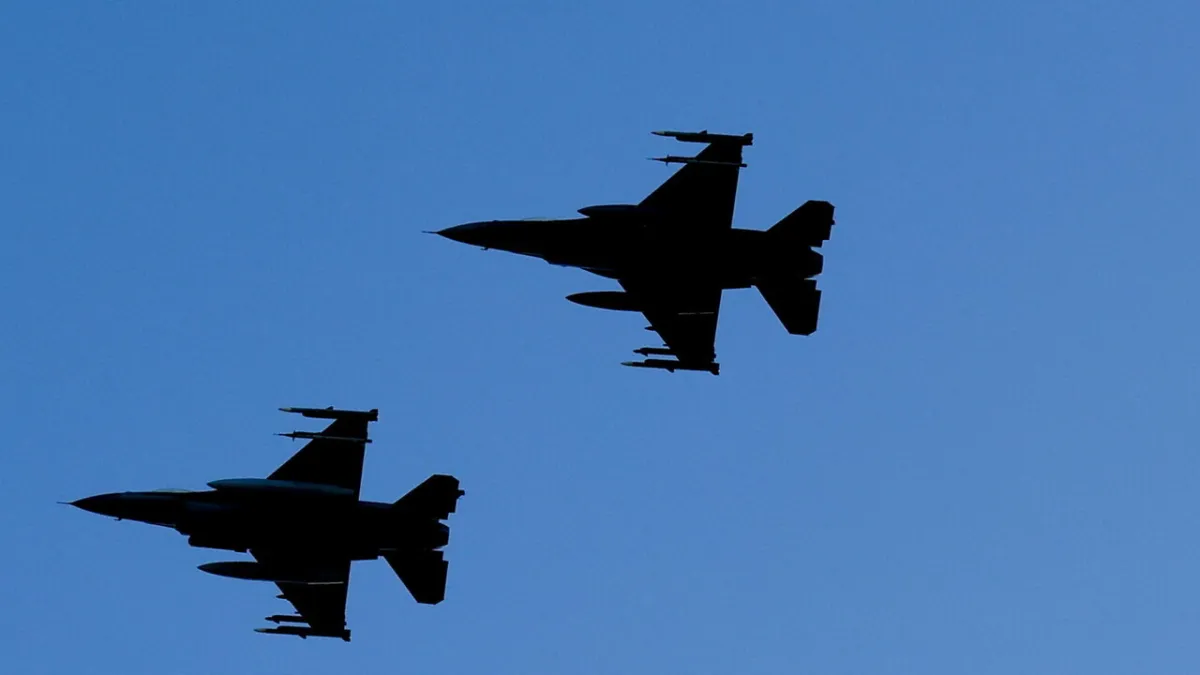
The attacks, whose perpetrators have not been definitively identified, have triggered a wave of retaliation from the US Navy in several locations across the region. This exchange of hostilities further exacerbates an already fragile security situation, pushing the region towards the brink of a wider conflict.
Hans-Jakob Schindler, a leading security expert, emphasized the gravity of the situation. "We are definitely in an escalation spiral," he stated, warning of the potential for more severe consequences if the cycle of violence is not immediately halted. Schindler's analysis underscores the failure of previous de-escalation efforts.
The condition of the Strait of Hormuz, according to Schindler, has never fully recovered. "The strait was never truly open after the previous ceasefire," he added, indicating that instability in this crucial waterway is a protracted issue. This latest closure is merely the newest manifestation of an ongoing crisis.
The closure of the Strait of Hormuz carries immense global implications. Approximately one-third of all seaborne oil trade passes through this narrow channel, making it a vital artery for the world economy. Disruptions to shipping here could trigger significant oil price surges and disrupt global supply chains.
The United States government asserts its right to protect its military assets and personnel in international waters. Pentagon spokesperson Rear Admiral Mark Jenkins stated that "any aggression against our vessels will be met with a firm response to maintain maritime stability and the security of trade routes."
This situation is reminiscent of previous Hormuz Turmoil, where Iran, a key regional player, has been linked to potential blockades of this crucial route. Although the perpetrators of the latest attacks have not been announced, speculation about the actors behind the aggression continues to grow.
The United Nations, through its spokesperson, called on all parties to exercise restraint and return to the negotiating table. "Military escalation will only exacerbate the suffering of the people and undermine the prospects for long-term peace in the Middle East," read their official statement released today.
Several countries, including China and the European Union, have expressed concern over the situation, urging diplomacy as the only way forward. They fear that this crisis could escalate into a larger regional conflict, drawing more actors into the spiral of violence.
This crisis also has the potential to influence the foreign policies of many nations, forcing them to re-evaluate their involvement in the Middle East. Political analysts predict that this incident will be a severe test for President Joe Biden's administration in maintaining global stability.
Diplomatic efforts to de-escalate tensions will be key in the coming days. Without strong intervention from the international community, the risk of further escalation and widespread economic impact seems unavoidable.
The international community continues to monitor developments in and around the Strait of Hormuz, hoping that common sense will prevail over the desire for confrontation. Global energy security and regional stability depend on a peaceful resolution to this increasingly volatile crisis.