 Chris Robert

WASHINGTON, D.C. – Over one million Honda and Acura vehicles are now under intense scrutiny by US automotive safety regulators following significant reports of automatic Start/Stop system failures. The National Highway Traffic Safety Administration (NHTSA) has officially launched an engineering investigation, responding to serious concerns that this malfunction could leave drivers stranded or in hazardous situations on the road.
The investigation, designated EA26007, focuses on recent Honda and Acura models equipped with Start/Stop technology. This system is designed to automatically shut off the engine when the vehicle stops, such as at a traffic light, and restart it when the brake pedal is released, aiming to save fuel and reduce emissions. However, reports indicate that this feature is failing, preventing the engine from restarting spontaneously.
The impact of this system failure is potentially widespread, affecting approximately 1.7 million vehicle units. Drivers have reported frustrating and dangerous experiences when their car engines suddenly do not respond after stopping, forcing them to perform manual restart procedures or even halting in heavy traffic. These conditions clearly pose an undeniable safety risk.
NHTSA has gathered initial data from numerous consumer complaints detailing these incidents. The complaints describe a pattern where the Start/Stop system, instead of restarting the engine, causes warning lights to illuminate on the dashboard or even results in a complete engine shutdown that cannot be restarted.
An engineering investigation is a significant step. If NHTSA finds evidence of a widespread manufacturing or design defect posing an unreasonable safety risk, they may issue a recommendation for a formal safety recall. This would compel Honda and Acura to address the issue across all affected units.
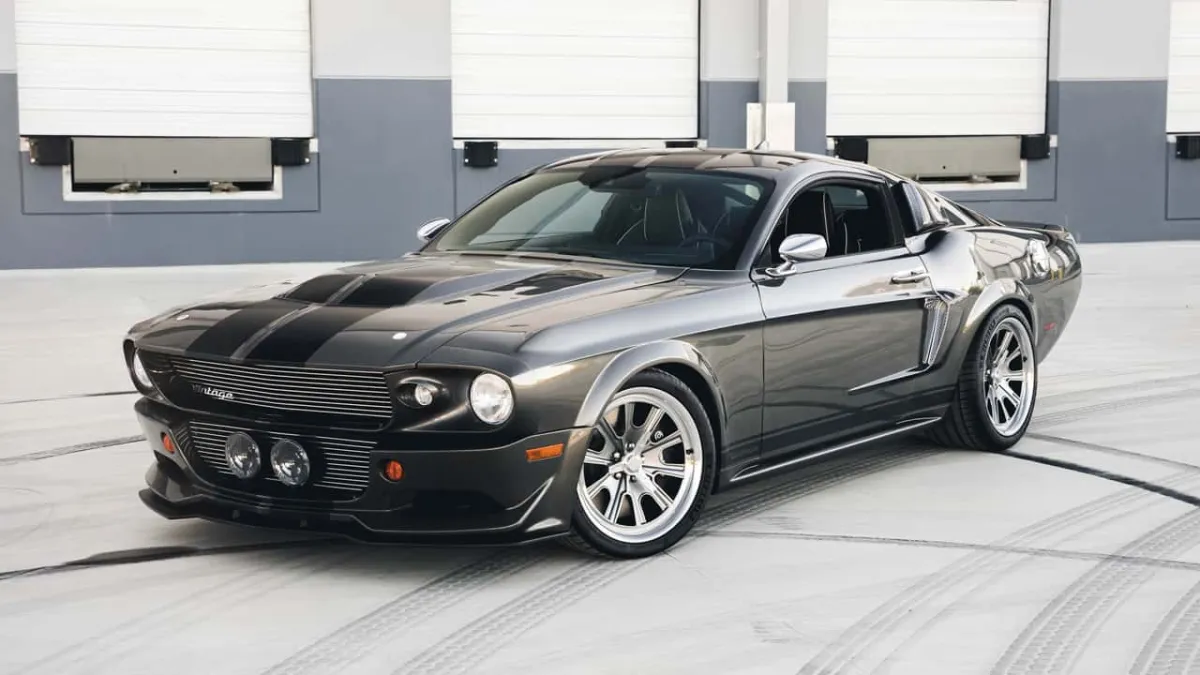
While no recall has been announced yet, the volume of potentially affected vehicles is substantial. Consumer trust in modern automotive technology, especially features designed for efficiency, could erode if such problems persist without quick and effective solutions. The automotive industry itself continues to innovate, as seen in the development of advanced models like the Iconic Mustang Fastback Reborn with 840 HP Modern, demonstrating rapid progress in this sector.
Drivers experiencing similar problems are advised to report these incidents immediately to NHTSA via their website or by contacting authorized Honda and Acura dealerships. Accurate data collection from consumers is crucial in helping regulators gather sufficient evidence for further action.
This case highlights the complexities of integrating advanced technology into vehicles. Features like Start/Stop, though well-intentioned, require flawless reliability to avoid becoming a source of problems for users. Manufacturers are compelled to ensure every component functions optimally throughout the vehicle's lifecycle.
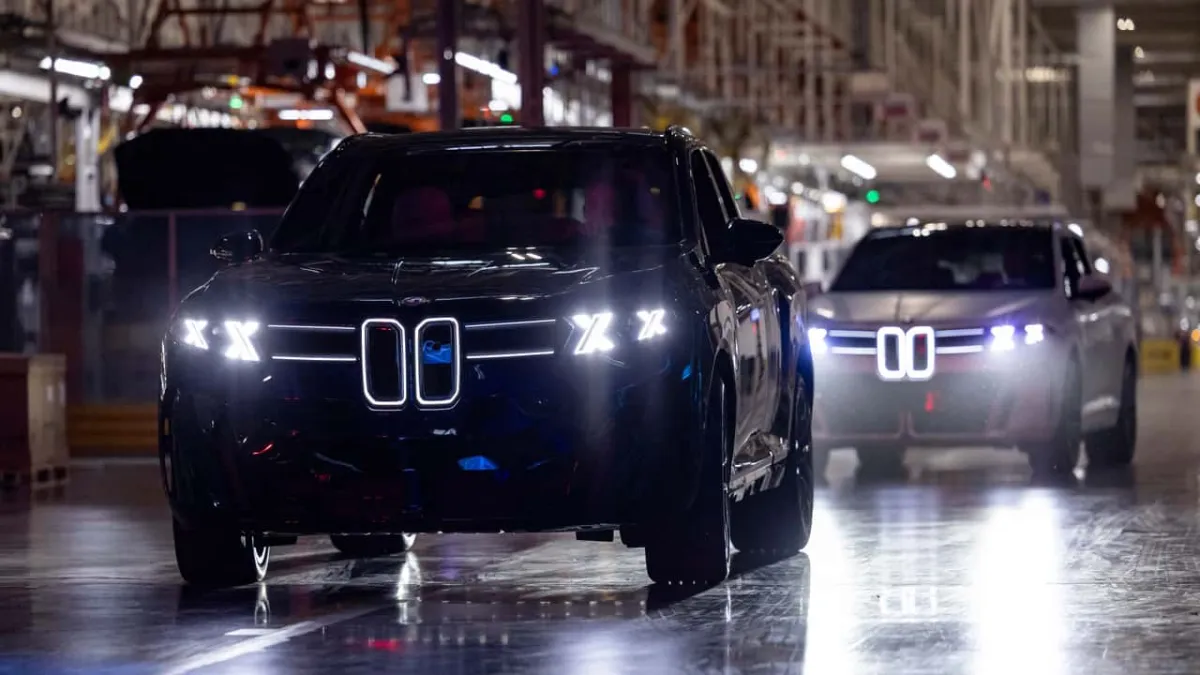
The threat of a potential recall could significantly impact both brands' sales and reputation. In a competitive market, where innovation continues, such as BMW's US Debut of its First Locally Produced Electric SUV, maintaining quality and safety standards is paramount.
Automotive experts now await the results of the EA26007 investigation. NHTSA's eventual decision could set a precedent for how automakers design and test fuel-saving systems in the future, ensuring that innovation aligns with user safety.
Editorial Insight:
This investigation into the Honda and Acura Start/Stop system malfunction reflects the inherent challenges in adopting cutting-edge automotive technology. On one hand, the system promises efficiency. On the other, a single flaw can trigger widespread safety issues. This situation underscores the need for more rigorous testing before new features are released to consumers. A potential large-scale recall would be a significant blow to both brands' reputations, compelling them to tighten quality control to maintain trust in a highly dynamic market.