 Edward DP Situmorang
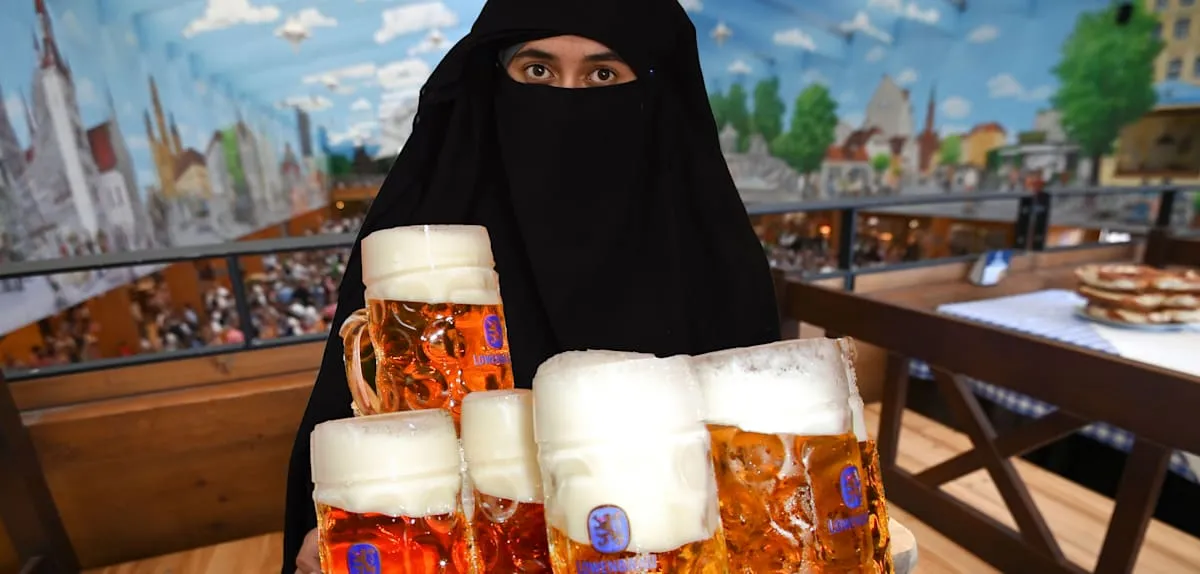
MUNICH – A highly controversial discourse is currently shaking the preparations for Oktoberfest 2026 in Munich, Germany, sparking intense debate over the traditional attire of waitresses. Speculation is widely circulating about the possibility of the Munich City Gender Equality Office considering new regulations that would mandate female waitresses to wear burqas, a radical step claimed to address sexism risks and ensure an inclusive environment at the world's largest beer festival.
This news emerged from internal discussions aimed at re-evaluating equality norms in public spaces. The idea of implementing more covered attire is reportedly being put forward as an extreme solution to avoid potential issues related to harassment and objectification, which often plague large-scale festivals.
Oktoberfest, historically known for its waitresses dressed in traditional Dirndl—a typical Bavarian garment often featuring a low neckline—is now confronted with an unprecedented scenario of change. This tradition has become an icon of the festival, attracting millions of visitors annually.
Anonymous sources close to the discussions stated that the primary goal of this discourse is to create a truly equal environment, where the focus shifts from physical appearance to the quality of service. Reportedly, the implementation of burqas is seen as a drastic measure to eliminate potential visual distractions and focus on the essence of the festival.
Initial reactions from various circles are highly divided. Some equality activists welcome the idea as a bold effort to combat deeply ingrained sexist culture. However, the majority of the public and tourism industry players express deep concern.
This is a proposal that, if truly implemented, would fundamentally alter the identity of Oktoberfest, said a German cultural observer, who wished to remain unnamed due to the sensitivity of the issue. This festival is a celebration of Bavarian tradition, and the Dirndl is an inseparable part of that identity.
Critics argue that mandating burqas would actually create another form of discrimination and suppress freedom of expression. They also question the relevance of the burqa, which is a symbol of a specific culture, within the context of Bavarian tradition and the open spirit of the festival.
This discourse also recalls similar debates in other European countries regarding attire and religious or cultural identity in public spaces. For instance, in Switzerland, the Zurich parliament once banned headscarves in schools, a decision that sparked fierce controversy over neutrality and religious freedom. The Zurich School Headscarf Debate shows how sensitive such issues can be.
Economic and tourism impacts are also serious concerns. Oktoberfest is a global tourist magnet, contributing significantly to the economies of Munich and Germany. Radical changes to the festival's image are feared to reduce its attractiveness and visitor numbers.
Festival organizers, the Bierbrauer in Munich, have not yet issued an official comment. They face a major dilemma between preserving tradition and meeting the increasingly complex demands of equality in the modern era.
This debate indirectly highlights the challenges faced by German society in balancing local traditions with evolving multiculturalism and gender equality values. Any decision made will set an important precedent for the future of the festival and regional cultural identity.
Editorial Insight: The discourse surrounding the mandatory burqa for Oktoberfest waitresses, though extreme and possibly originating from satire, reflects real tensions in modern society. It is an over-the-top response to a valid issue of sexism, but its method could trigger polarization and erode the essence of local culture. The real challenge lies in finding solutions that honor equality without sacrificing identity and freedom, and without forcibly imposing specific cultural symbols.