 Gabriella
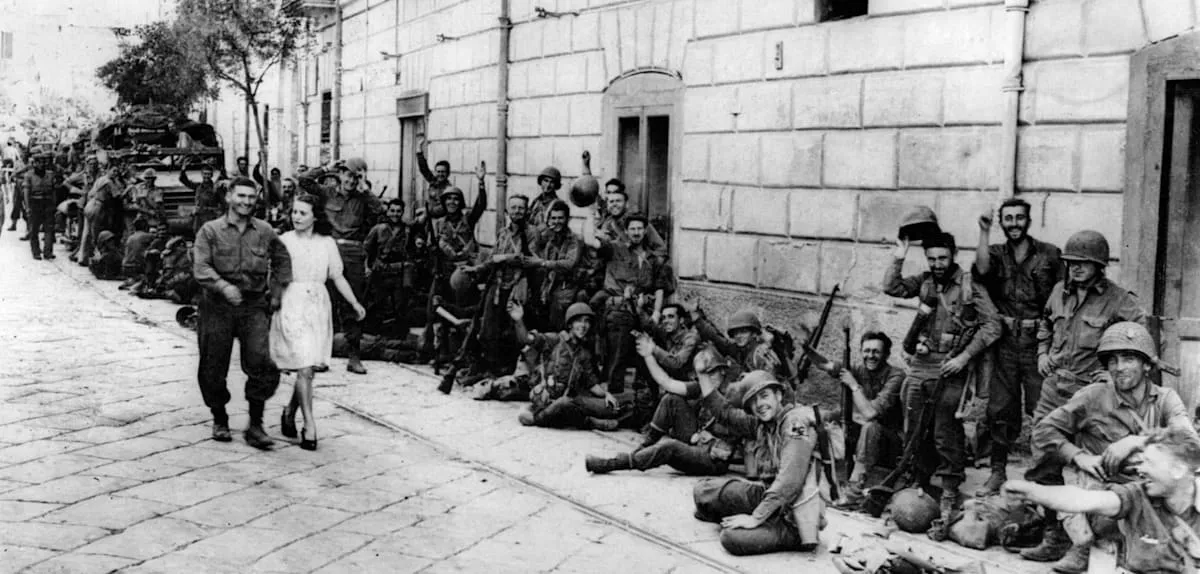
Naples, Italy — The ancient city of Naples in the mid-20th century presented a poignant tableau of contrasts: its inhabitants battled extreme hunger and deadly diseases like syphilis, yet simultaneously embraced the medical marvel of penicillin. Life in this city pulsed with a strange vitality amidst the threat of total destruction, just before Allied soldiers, including John Horne Burns, had to confront German forces in fierce combat.
The complexity of this narrative is brilliantly captured in a novel by John Horne Burns, a soldier who personally experienced the atmosphere of Italy during World War II. His work successfully encapsulates the essence of a city that, though physically dying, maintained an unbroken spirit of life. Burns' narrative invites readers to reflect on the human condition in extreme situations, where hope and despair intertwine.
At that time, Naples was one of the cities most severely impacted by the war. Blockades and battles led to extreme food shortages, causing widespread famine that weakened the population's resistance. The city's infrastructure lay in ruins, and infectious diseases spread rapidly amidst poor sanitation, adding to the suffering of ordinary people.
Amidst this darkness, the arrival of penicillin symbolized a new hope. This revolutionary drug, discovered just years prior, offered a lifeline for sufferers of syphilis and other infections. Penicillin not only saved lives but also ignited optimism that medical advancements could provide a glimmer of light even in the darkest hours. This innovation transformed the public health landscape, even in a war zone.
However, behind this fleeting optimism, the shadow of war remained real and threatening. Allied forces prepared for direct confrontation with the German army, which still controlled much of Italy. Tensions mounted, and each day was a countdown to an inevitable battle, a bitter reality that soldiers had to face.
John Horne Burns, with the keen eye of both observer and participant, immortalized these crucial moments. His experience as a soldier in Italy provided him with a unique perspective on civilian and military life on the battlefield. His novel is not merely a historical record but a profound exploration of human psychology, morality, and the struggle to preserve humanity amidst devastation.
Burns' work is praised for its direct yet richly detailed and emotional writing style. He avoids the glorification of war, instead highlighting its harsh realities and psychological impact on individuals. The characters in his novel are vivid, complex, and reflect the diversity of human experiences under the pressure of armed conflict.
The narrative of civilian courage and suffering during wartime, as experienced in Naples, still resonates today. The conditions described by Burns parallel modern conflicts, where civilian resilience remains a cornerstone. We can see similar portrayals in news coverage regarding Ukraine being bombarded: The Resilience of Civilians in Kyiv and Kherson Inspires the World, a testament to the enduring human spirit despite the storms of war.
Despite facing hunger and disease, Naples' spirit never extinguished. Markets remained bustling, laughter could still be heard in narrow alleys, and art continued to find its way. The city is a paradox, a symbol of human resilience that refuses to succumb to fate, even when each day could be the last before entering a brutal battlefield.
The story of Naples, brought to life by John Horne Burns, is not solely about war and suffering; it is an ode to life, courage, and the human capacity to find hope in the most unexpected places. The novel serves as a timeless reminder of the human cost of armed conflict and the enduring power of the human spirit.