 Chris Robert
BRUSSELS – The North Atlantic Treaty Organization (NATO) is currently devising strategic plans to bolster its nuclear deterrence posture in Europe, a move involving the deployment of more U.S. tactical B61-12 nuclear bombs. This initiative, believed by some observers to have already commenced and potentially concluded by 2026, is sparking fresh concerns about the escalation of global geopolitical tensions.
This initiative emerges in response to increasingly complex global security dynamics, particularly amid growing uncertainties regarding stability in the Eastern European region. NATO consistently asserts its commitment to the principle of collective defense, and an increase in nuclear capability is viewed as a vital element in maintaining the balance of power.
The B61-12 nuclear bomb represents a modernized version of the U.S. tactical gravity bomb family, combining variable yield warheads with a more advanced precision guidance system. These enhancements allow for adjustable explosive power and superior targeting accuracy, making it a more flexible instrument of deterrence.
Several European defense experts, closely monitoring these developments, indicate that the relocation process of these bombs might already be underway covertly. “There are strong indications that several B61-12 units have been moved to strategic locations across Europe, well before any official announcement,” stated Dr. Klaus Richter, a security analyst from the Berlin Institute for Strategic Studies, in an exclusive interview in early 2026.
NATO argues that this capacity increase is not an aggressive act, but rather a pure effort to strengthen its defense posture and ensure a credible response capability against potential threats. NATO Secretary General Jens Stoltenberg, during a press conference in late 2025, underscored the importance of maintaining "safe and effective nuclear deterrence" as the cornerstone of the alliance's security.
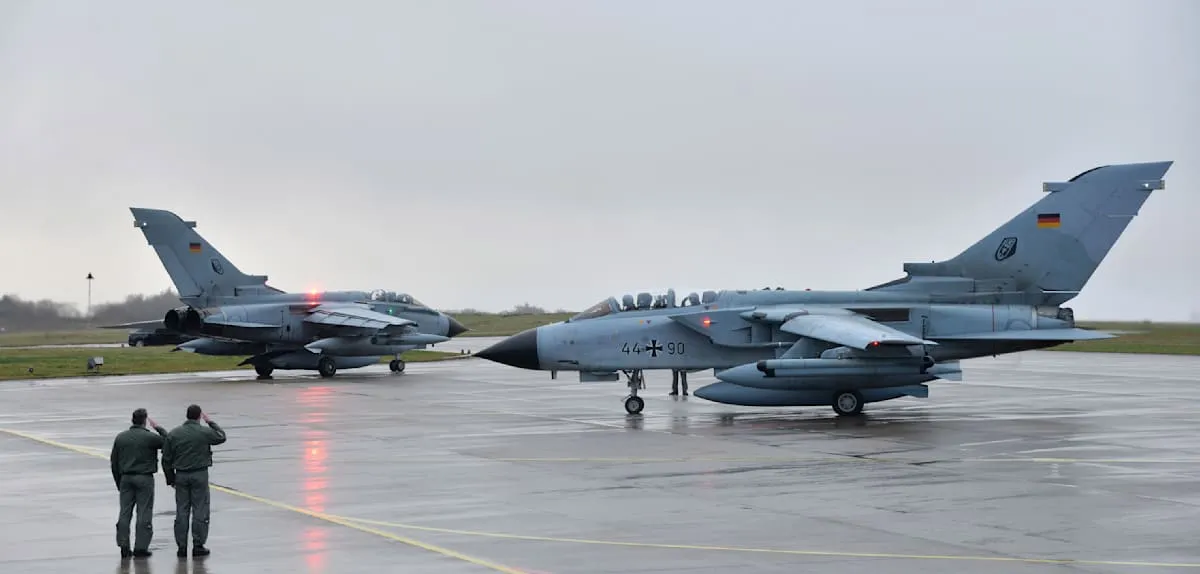
This decision is predicted to have significant implications for the regional security architecture. Nations hosting U.S. nuclear weapons storage facilities, such as Belgium, Germany, Italy, the Netherlands, and Turkey, will likely become focal points of attention and internal debate.
Moscow, through its Foreign Ministry spokesperson, has repeatedly stated that such a move would be considered a serious provocation. In early 2026, the Kremlin warned of potential consequences should NATO continue to increase its military and nuclear presence near its borders.
The United States, as the primary nuclear power within NATO, plays a central role in this initiative. U.S. nuclear doctrine permits the use of tactical weapons in certain scenarios, and the deployment of B61-12 in Europe reflects Washington's commitment to protecting its allies under its nuclear umbrella.
This situation revives memories of the Cold War era, where the nuclear arms race became a major pillar of global tension. Although the context differs, concerns about stability and the risk of miscalculation remain crucial issues that all parties must handle carefully.
Despite this plan focusing on military reinforcement, the path of diplomacy and dialogue remains essential to prevent escalation. The international community awaits responses from other global powers and potential negotiations for de-escalation of tensions.
In some NATO member states, the issue of nuclear weapons deployment often sparks public debate and protests from anti-nuclear groups. They advocate for disarmament and a more peaceful approach to global security, a primary agenda item at international peace forums in The Hague in mid-2026.
NATO's nuclear capacity increase through the B61-12 bomb marks a new chapter in European defense strategy. This decision, driven by the need for strong deterrence, simultaneously opens a new page in the complexity of international relations and the necessity of careful risk management in the future.