 Angela Stefani
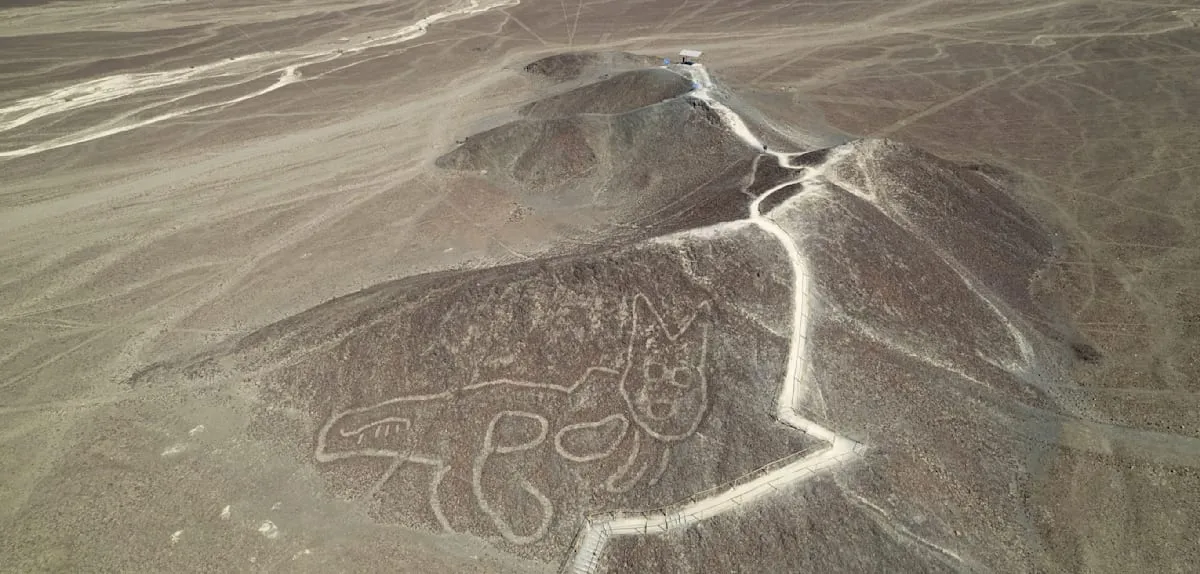
NAZCA — A horrific air tragedy struck Peru on February 23, 2026, when a tourist plane carrying 13 passengers and crew crashed near the iconic Nazca Lines. The incident claimed the lives of everyone on board, including two German nationals, several Italian and Spanish tourists, bringing profound grief to the victims' families and the international community. The small aircraft reportedly sent an emergency signal before impact, triggering an intensive investigation to determine the exact cause of the disaster.
Peru's civil aviation authorities confirmed the accident, which occurred during a recreational flight to observe the famous ancient Nazca geoglyphs. The ill-fated aircraft, a Cessna Grand Caravan, had departed from María Reiche Neuman Airport and was en route back when it lost contact.
Victim identification efforts are ongoing by forensic teams. The German Embassy in Lima has confirmed that two of its citizens were among the deceased. Similarly, diplomatic representatives from Italy and Spain are coordinating with Peruvian authorities to verify identities and provide support to the families of their tourist victims.
Peruvian Prime Minister, Alberto Otárola, expressed deep condolences over the tragedy and pledged full access for the investigation. "The government will ensure full transparency in the investigation process to uncover the facts and prevent similar incidents in the future," Otárola stated in his official remarks in Lima on February 24, 2026.
The cause of the plane crash remains speculative. Expert teams from Peru's Ministry of Transport and Communications, along with the air accident investigation unit, have been deployed to the crash site. The investigation focuses on examining the black box, engine conditions, weather, and potential human error factors.
This accident is not the first tragedy to befall tourist flights in Nazca. As previously reported in our article, "Deadly Winds in Nazca: Seven Italian Tourists Die in Air Accident" (Deadly Winds in Nazca: Seven Italian Tourists Die in Air Accident), this region indeed has a history of aviation incidents. This once again raises questions about the safety standards and regulations for tourist flights in the area.
Peru's tourism industry, especially that which relies on the Nazca Lines' appeal, is potentially impacted by this event. Air tour operators are urged to comprehensively review their safety protocols. The international community expects concrete action from the Peruvian government to enhance oversight and safety audits.
Local residents in Nazca expressed profound sadness. "The Nazca Lines are our pride, but incidents like this tarnish our safety image," said Maria Rojas, a local tour guide. "We hope this tragedy is the last, and the government seriously evaluates all aspects of security."
The German Federal Foreign Office released an official statement, extending condolences to the victims' families and affirming readiness to cooperate with Peruvian authorities in the investigation. They also expressed willingness to offer necessary consular assistance to the victims' families.
This tragedy has garnered international media attention, adding to a long list of aviation incidents involving foreign tourists in popular destinations. Attention now turns to how the Peruvian government will address global concerns regarding the safety of their tourist flights.
Several international civil aviation organizations have urged Peru to conduct a thorough audit of all tourist flight operators around the world heritage site. They recommend improved pilot training, fleet upgrades, and stricter enforcement of regulations.
Condolences for the 13 victims continue to pour in. Their names will be remembered as part of a tragic history that now shrouds the mysterious beauty of the Nazca Lines. The public awaits the full investigation results and concrete steps from the Peruvian government to restore confidence in its aerial tourism safety.