 Angel Doris
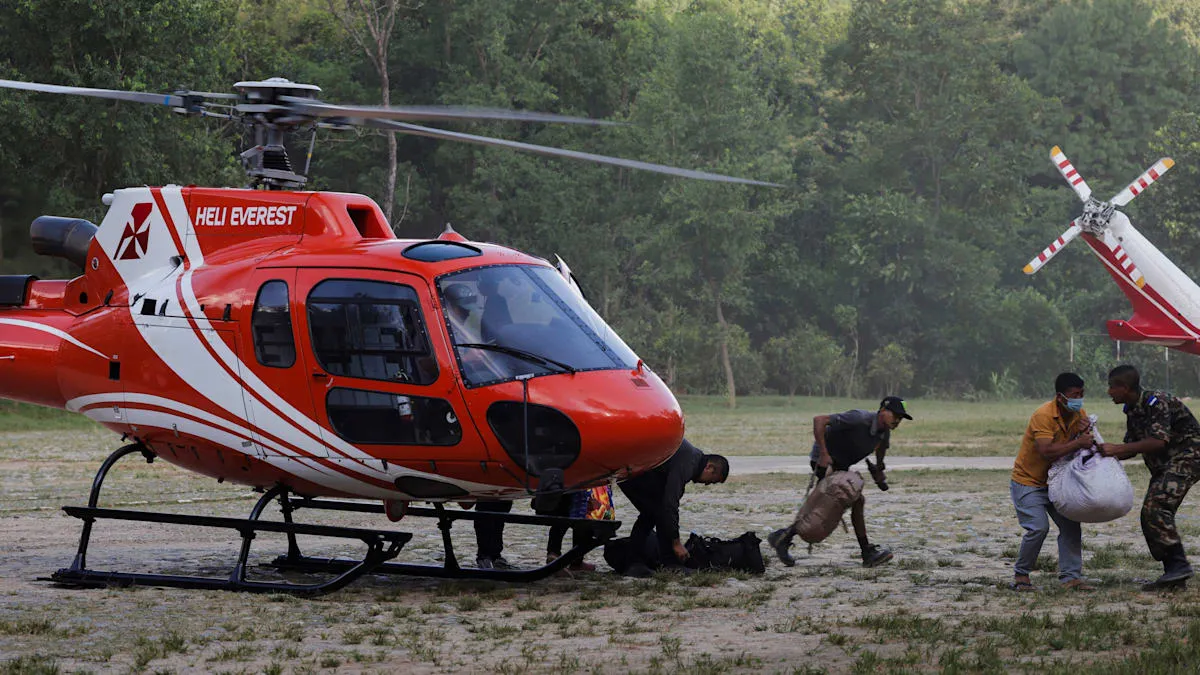
KATHMANDU – The situation in Nepal has dramatically worsened after devastating flash floods struck several regions, resulting in the obliteration of at least 40 kilometers of vital road infrastructure. Access to the affected areas is now completely cut off, complicating rescue efforts and the distribution of much-needed humanitarian aid. This event is estimated to have occurred in mid-2026, following a series of extreme weather incidents impacting the Himalayas.
Tabea Seiz, a representative for Welthungerhilfe in Kathmandu, reported on the highly critical conditions on the ground. She emphasized the scale of infrastructure damage that has not yet been fully assessed. Major roads connecting remote communities have vanished, and at present, many areas are completely inaccessible, Seiz stated.
This massive damage to the road network poses the greatest challenge for humanitarian organizations. Logistics distribution and victim evacuation are severely hampered, forcing rescue teams to seek dangerous and time-consuming alternative routes. Nepals mountainous geography further exacerbates these difficulties, as most remote areas heavily rely on a single road access.
This disaster is not the first to hit Nepal. The Himalayan region is indeed vulnerable to extreme hydrometeorological phenomena, including flash floods and landslides triggered by intense monsoon rains and glacier melt. Earlier reports in 2026 had even predicted an increased risk of flooding due to the bursting of Himalayan glaciers, a warning that has now proven true.
The impact of this destruction is expected to expand in the coming days. Tabea Seiz added, The true extent of this disaster will only fully unfold in the coming days, as we strive to reach isolated points. This statement indicates that the number of casualties and the level of damage could be far greater than initial estimates.
International aid agencies and the Nepalese government are now racing against time. The top priority is to restore some access to deliver medical aid, food, and temporary shelter for thousands of affected residents. Strong coordination among various parties is key to minimizing further impact.
Several previous related articles have also highlighted Nepals vulnerability to similar disasters. Himalayan tragedies are often captured on camera, demonstrating the devastating impact of floods in the region. Cases of missing Italian citizens in Nepal post-flood or hundreds of foreign tourists missing in Nepal-Tibet serve as a reminder of the fragility of life in the region.
The Nepalese government has declared a state of emergency in several affected districts, appealing for international assistance to accelerate the response. However, infrastructure limitations and difficult terrain remain major obstacles to resource mobilization.
The role of media in disseminating accurate information is also crucial for aid to be delivered efficiently. Journalists reporting from the scene, as reported by ANSA, often face severe challenges, including border queues lasting up to sixteen hours just to access affected areas.
The international community is now closely monitoring developments in Nepal. With 40 kilometers of roads vanished, reconstruction will be a long-term project requiring significant commitment from various parties. This situation underscores the fragility of connectivity in mountainous regions when confronted with unpredictable natural forces.
Editorial Insight: The flood disaster in Nepal, which obliterated dozens of kilometers of highways, is not merely an isolated incident but a manifestation of the increasingly severe ecological vulnerability of the Himalayas. The remoteness of the region and limited basic infrastructure are crucial factors exacerbating the disaster's impact and hindering rapid response. This incident highlights the urgency of long-term investment in climate-resilient infrastructure and effective early warning systems in high-risk areas.