 Edward DP Situmorang
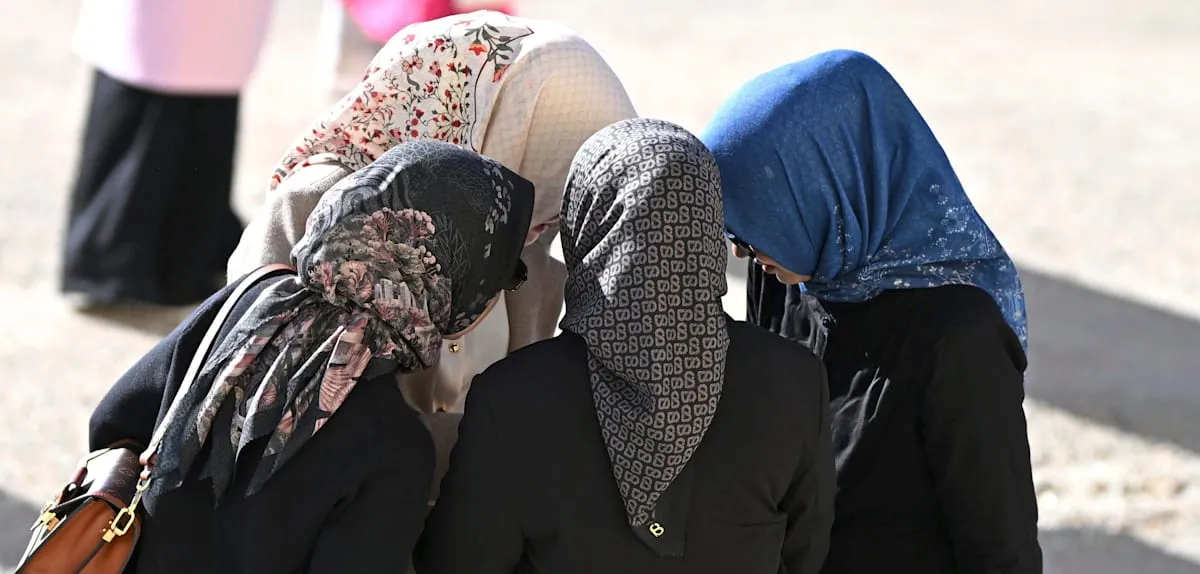
Vienna – Since the beginning of the 2026 academic year, Austria has officially implemented a ban on headscarves for girls under 14 in all primary and secondary educational institutions. This decision, previously marked by various concerns and speculations about potential social unrest and debates over fundamental rights, has now yielded surprising initial reports. Field observations indicate that the implementation has proceeded relatively calmly, with minimal significant incidents.
The policy, passed by the Austrian parliament, targets religiously motivated head coverings and applies to children up to the age of 14, an age considered crucial for identity formation. The government asserts that the regulation aims to promote gender equality and facilitate social integration, especially for immigrant children, within a neutral school environment.
Prior to implementation, many parties, including human rights organizations and Muslim communities, voiced deep concerns. They feared the ban would have a discriminatory impact, alienate certain communities, and potentially trigger waves of mass protests, deepening polarization in Austria's diverse society.
However, initial reports from various educational districts across Austria indicate the opposite. School officials and local authorities reported that most girls who previously wore headscarves came to school without them, showing high levels of compliance and minimal reports of direct refusal or confrontational incidents.
Some analysts speculate that this quiet outcome could be due to various factors. It might be effective educational and outreach efforts by the government, or perhaps a rapid adaptation by affected families to avoid conflict and ensure their children's seamless education.
In the political arena, proponents of the policy from the governing coalition welcomed the initial reports, claiming them as proof of their approach's success in upholding secular values in public institutions. They emphasized that schools should be spaces free from religious symbols that might hinder children's individual development.
The Austrian government has consistently stated that the primary goal of this ban is not to suppress religious identity but to ensure that all children, especially girls, have equal opportunities to participate fully in society without pressure from family or community environments.
This move by Austria is not without precedent. Other European countries like France and Germany have long had similar debates and regulations regarding religious symbols in public and educational spaces. This policy places Austria among nations striving to balance religious freedom with state secularism principles.
While the current situation appears calm, the long-term impact of this policy will continue to be monitored. Social observers highlight the importance of tracking how the policy affects social cohesion, feelings of inclusion among minorities, and the personal identity development of affected schoolgirls in the future.
Educational authorities remain vigilant about potential new challenges. Although the initial response is positive, the fundamental debate about the limits of religious freedom in public spaces remains a sensitive issue and requires a prudent approach to avoid reigniting tensions in the future.
Editorial Insight: The implementation of Austria's school headscarf ban presents a compelling case study on the complexities of integration and secularism in Europe. The initial outcome, marked by minimal unrest, suggests society's capacity to adapt, but it does not necessarily conclude the philosophical debate surrounding religion's role in public life. This policy has the potential to become a benchmark for other nations grappling with similar issues, while also demanding continuous evaluation of its impact on minority rights and social cohesion.