 Dorry Archiles
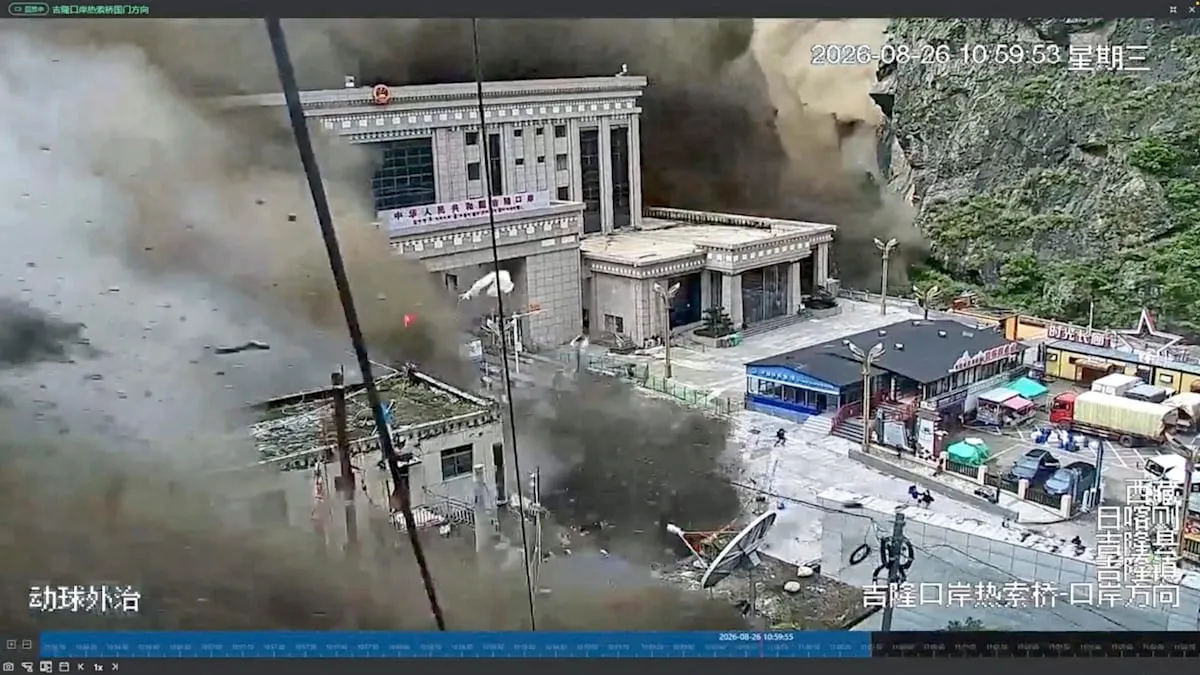
KATHMANDU – A devastating flash flood has struck the border regions of Nepal and Tibet, claiming at least 362 lives and leaving approximately 1,500 people missing. This humanitarian tragedy is exacerbated by the threat of a second wave of flooding, following the formation of a new lake that could overflow or breach at any moment in the unstable Himalayan geographical conditions. This distressing incident occurred in early 2026, triggering global concern over the impacts of the climate crisis in the world's highest mountains.
The casualty count continues to rise drastically as rescue teams struggle to penetrate difficult terrain. Local authorities state that most of the victims are local residents whose settlements were swept away by strong currents, as well as a number of foreign tourists adventuring at the foot of the Himalayas. Several Italian citizens are reported missing post-disaster, including a gold craftsman from Rapallo, adding to the long list of suffering families. Anxiety grips Italian families regarding the fate of their relatives.
The immediate threat now looming is the formation of a colossal natural lake due to accumulated landslide debris and sediment from the initial flood. This lake, not yet fully mapped, now holds a massive volume of water. Hydrologists and geologists have expressed serious concerns that water pressure could cause the natural retaining walls of the lake to collapse, triggering a new disaster.
Should the lake breach, a gigantic wave of water would rush down the valleys below, destroying everything in its path. This worst-case scenario is predicted to worsen an already devastated humanitarian and infrastructural situation. Government officials have issued evacuation warnings for communities located in the potential inundation zones.
The Himalayan region is indeed known to be highly vulnerable to extreme hydrometeorological phenomena, especially with the increasing glacial melt due to global warming. Warnings about the potential for glacial outbursts triggering devastating flash floods in Nepal have been sounded by research institutions like USGS for a long time.
The physical impact of the first flood is immense. Initial reports indicate that about 40 kilometers of main roads in Nepal were completely cut off, hindering access for aid and rescue teams. Remote villages are isolated, complicating search and rescue efforts. Nepal paralyzed with tens of kilometers of roads destroyed.
The international community has begun mobilizing emergency aid, but distribution is hampered by the difficult terrain and destroyed infrastructure. Data on missing foreign tourists is also a concern. Although Nepal and Tibet have their respective data, there are significant discrepancies, complicating identification and search efforts. Reports indicate hundreds of foreign tourists are still unaccounted for.
Rescue teams face immense challenges. In addition to limited access, extreme weather and the risk of secondary landslides make operations extremely dangerous. Helicopters are the only effective mode of transport to reach some remote areas, but their numbers are limited and often hampered by atmospheric conditions.
Disaster observers emphasize the importance of long-term approaches to risk mitigation in the Himalayan region. This includes regular glacier monitoring, the construction of more resilient infrastructure, and effective early warning systems for local communities and tourists to minimize future casualties.
The governments of Nepal and China, through their respective spokespersons, have expressed commitment to cooperate in disaster response and reconstruction efforts. They also appealed for global humanitarian aid to address this escalating crisis, given the extraordinary scale of destruction. This tragedy shows how the Himalayas are gripped by devastating floods.
Phenomena such as the harrowing reconstruction of flash flood moments that explosively destroy valleys require a deep understanding of natural dynamics and readiness to face drastic environmental changes. Coordination between countries and research institutions is vital in this context.
Editorial Insight: The disaster on the Nepal-Tibet border highlights the fragility of high-mountain regions to extreme climate change. The threat of a second wave from a naturally formed lake is not just a warning but a global emergency call. Swift and coordinated response, both in rescue and long-term adaptation, is absolutely necessary to prevent a wider escalation of humanitarian tragedy, especially given the increasing frequency of similar events globally.