 Stefani Rindus
Washington D.C. — Geopolitical tensions between the United States and Iran have once again escalated following an exclusive report by The Wall Street Journal in 2026, revealing a new plan from Tehran to launch an assassination attempt against President Donald Trump. A swift and stern response immediately came from the White House, with President Trump stating that he has left clear instructions to “retaliate with a force never before seen” if his life is threatened by Iranian actions.
This alarming news has sparked global concern over the potential for an escalating conflict in the Middle East. Intelligence sources cited by The Wall Street Journal indicate that Iranian security agencies are formulating specific scenarios to target President Trump, who has been a primary target for Tehran since a series of past incidents.
Threats against President Trump are not new. In previous years, global intelligence had also uncovered various similar indications. Furthermore, there were reports from Israeli Intelligence leaking Iran's assassination plot against President Trump, demonstrating a continuous and serious pattern of threats from Tehran.
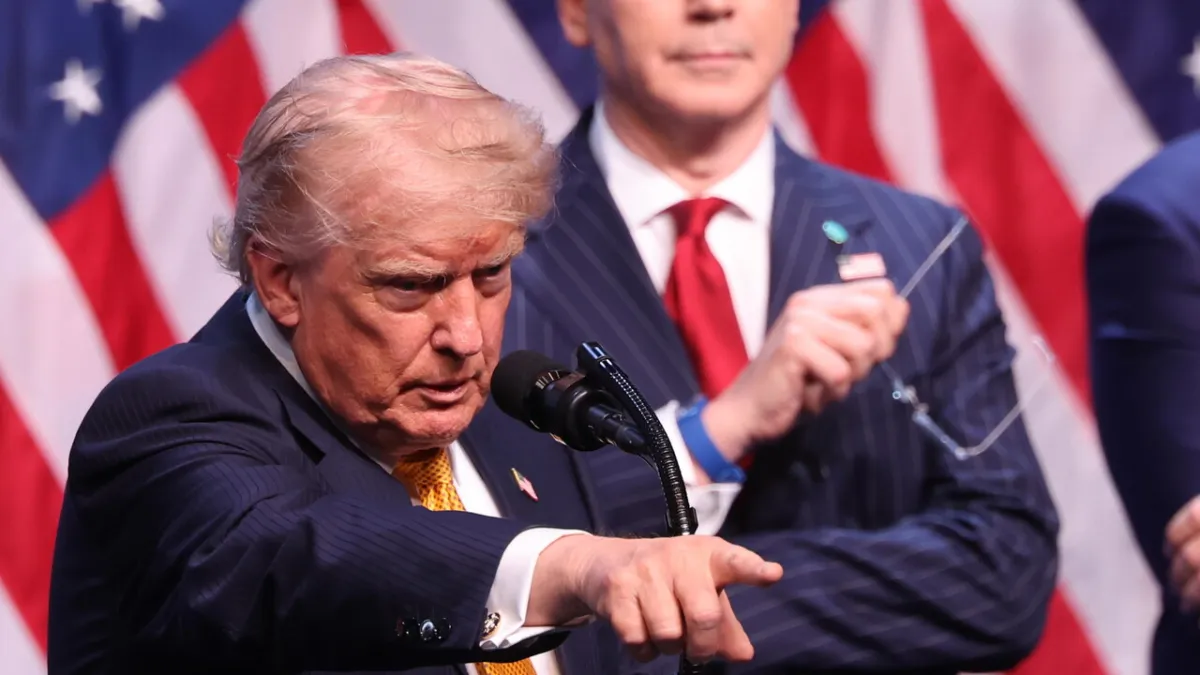
Speaking to reporters at the White House, President Trump issued a stern warning. “If Iran kills me, I have left instructions. We will hit them with a force never seen before,” President Trump stated, underscoring the seriousness of the perceived threat and his commitment to protecting the national security of the United States.
The statement from the leader of the superpower is not mere empty rhetoric. International security analysts believe that such a response reflects a US defense doctrine that will react proportionally, or even exceed, any aggression targeting its head of state or interests abroad.
Tehran — On the other hand, the Iranian government, through its Foreign Ministry spokesman, dismissed the report as "baseless Zionist-American propaganda." They accused Washington and Tel Aviv of attempting to create pretexts to destabilize the region and increase pressure on the Islamic Republic.
Nevertheless, the history of tension between Washington and Tehran has created a climate of distrust. The assassination of General Qassem Soleimani by the United States in the early 2020s was a turning point that triggered Iran's pledge of eternal revenge. This event serves as an undeniable backdrop for understanding the dynamics of current threats.
Incidents like this also remind the world of various diplomatic and military frictions occurring in the Strait of Hormuz, Iran's nuclear program, and its support for proxy groups in various Middle Eastern countries. Every minor incident has the potential to trigger a larger crisis.
Political observers from prominent think tanks in Washington, such as the American Enterprise Institute, are of the view that this threat, whether real or merely a psychological tactic, will further harden the United States' stance against Iran. The Trump administration in 2026 will likely intensify sanctions and its military presence in the region as a preemptive measure.
The Wall Street Journal report also highlights how global intelligence networks continuously monitor Iranian activities, especially those related to potential covert operations. This leaked information underscores the intricate nature of geopolitical intrigue on the world stage, where every step has the potential to trigger widespread consequences.
This situation places the international community in a dilemma. The UN and European nations call for restraint from both sides to avoid a broader conflict, the impact of which could harm global economic stability and security.
The United States government, under President Trump's leadership, reaffirms that its top priority is protecting its citizens and interests wherever they may be. This includes a readiness to take defensive and offensive actions if necessary.
The situation in the Middle East itself remains volatile. Various proxy conflicts and power rivalries between Iran and US-allied Gulf states continue, adding to the complexity of the threats facing President Trump.
Analysts also note that the timing of this report's publication could have internal political implications in the United States, especially ahead of potential future political contests. External threats are often used to rally public support and strengthen leadership positions.
Regardless, the message from the White House is very clear: any attempt against President Trump will be met with an intolerable response. The world now awaits how this escalation of threats will be responded to by both parties on the diplomatic and military stages.