 Stefani Rindus

SANTA CLARA – Jensen Huang, the visionary figure behind semiconductor giant Nvidia, has resumed his leadership role at the company after an 11-day absence. This dramatic event, initiated by a brief resignation, had rattled and now restabilized global technology markets, particularly the artificial intelligence (AI) sector in 2026.
Huang's sudden prior resignation had triggered a wave of uncertainty, fueling widespread speculation about Nvidia's future and the direction of AI innovation. As founder and CEO, Huang is central to Nvidia's strategy and vision, which has solidified its position as the leading producer of GPU chips essential for AI development.
In a brief statement, Nvidia confirmed Huang's return effective early this week, without detailing the exact reasons behind his leadership hiatus. Internal sources, wishing to remain anonymous, suggested that Huang needed time for strategic reflection, an unusual move for a leader of his caliber.
Huang's leadership has proven instrumental in propelling Nvidia to the forefront of the AI revolution. Under his guidance, Nvidia not only produces hardware but also develops crucial software platforms for various AI applications, from cloud computing to autonomous vehicles.
The 11-day period without Huang at the helm kept investors and market analysts holding their breath. Nvidia's stock experienced volatility, reflecting concerns about the company's stability and strategic direction without the 'AI King.' Some even began projecting worst-case scenarios, although the resignation itself was never officially announced by Huang but rather through market rumors.
Huang's return was met with euphoria on the stock market, with Nvidia shares immediately surging, signaling an unwavering market confidence in his leadership. 'Huang is an invaluable asset to Nvidia. His departure, even briefly, creates a leadership vacuum that no one else can fill,' said a Wall Street tech analyst, quoted from financial reports.
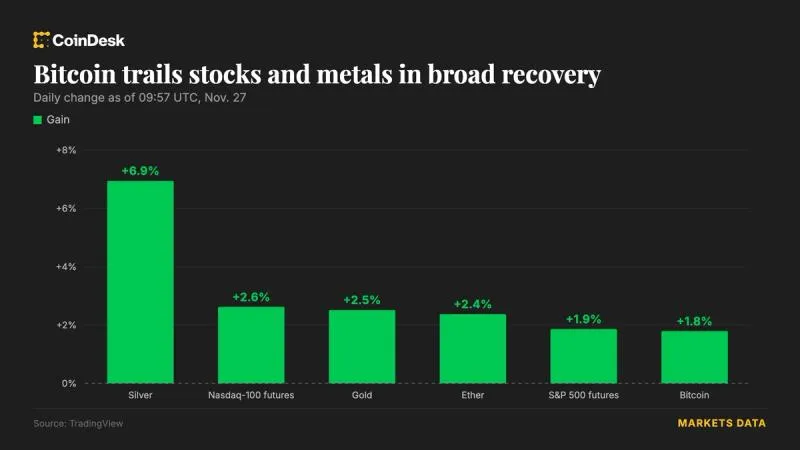
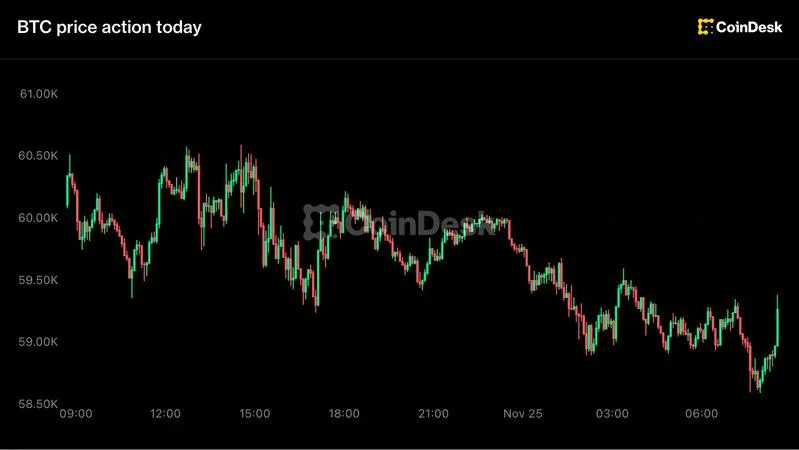
This dynamic also impacted related sectors. Stability at Nvidia indirectly provided positive sentiment for the broader AI ecosystem, including software developers, AI startups, and even the cryptocurrency market, which is often sensitive to tech news. The market also briefly noted how fading AI enthusiasm might affect Bitcoin in 2026.
Nvidia's role in large-scale projects, such as those seen in the EU's efforts to establish an AI and quantum cyber shield, demonstrates how crucial their technology is for global security and defense. The certainty of leadership at Nvidia ensures the continuation of this vital support.
'Jensen Huang's presence at the helm is a guarantee for relentless innovation. This is not just about management, but about a long-term vision for the future of computing,' said Dr. Anya Sharma, a computer science professor observing AI developments. She also added that the direction of AI development heavily relies on leadership like Huang's, capable of navigating the complexities of technology and ethics. Issues concerning the future of AI and robots in 2050 are hot topics in various forums.
With Huang's return, Nvidia is expected to become even more aggressive in developing next-generation chips and expanding into new markets. His presence strengthens the company's position in fierce competition with other tech players who are also heavily investing in the AI realm.
Editorial Insight:
Jensen Huang's swift return to Nvidia is not merely ordinary corporate news; it is an indicator of how central the role of visionary individuals is in cutting-edge technology industries. The 11-day drama reflects the fragility of market sentiment towards key leadership in companies vital to the digital economy. Global reliance on AI innovation, largely spearheaded by Nvidia, means every strategic move at the top management level resonates far beyond corporate balance sheets, even reaching geopolitics and cybersecurity policies. This event confirms that the 'AI King' is irreplaceable, at least for now.