 Gabriella
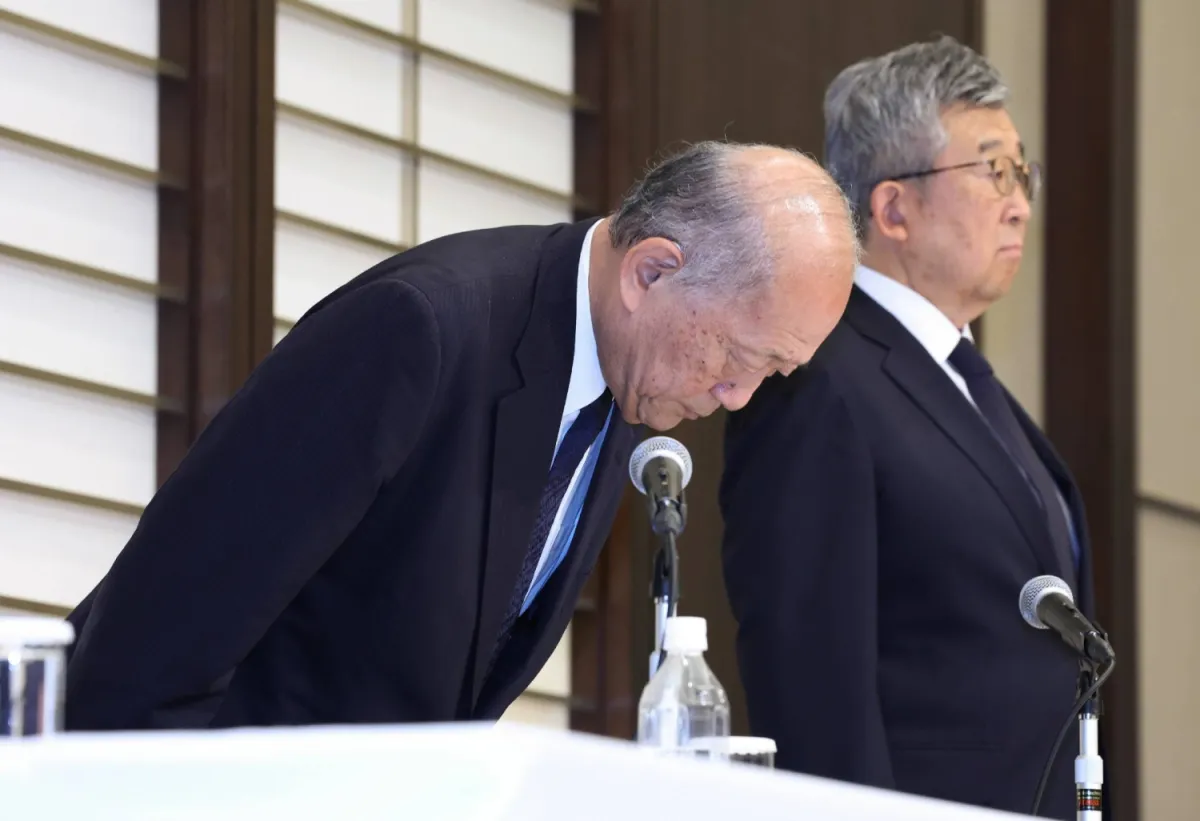
KYOTO – Eiji Hatta, Chairman of Doshisha's Board of Trustees, on Friday offered his deepest condolences for a fatal boat accident in the waters of Okinawa. This tragic incident claimed lives, sparking a wave of grief and serious demands for institutional accountability. Hatta delivered his statement during a press conference in Kyoto.
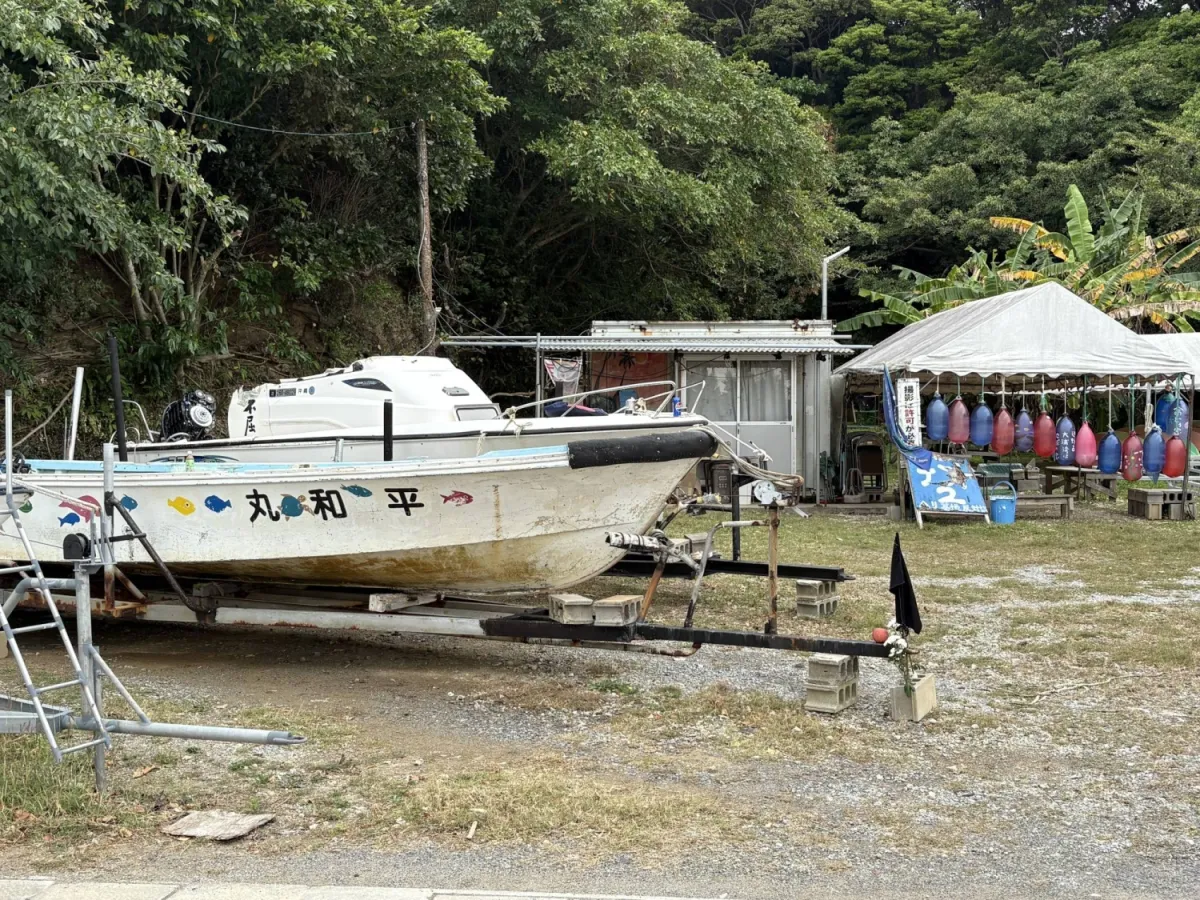
Eiji Hatta, representing one of Japan's leading educational institutions, stated that the organization bears full responsibility for the calamity. We extend our deepest sympathies to the victims families and all those affected by this tragedy, Hatta said, his voice reflecting concern, while addressing the media. The accident occurred when a boat affiliated with a Doshisha program met with disaster in Okinawas waters.
According to initial reports, the incident involved a vessel carrying several participants in a maritime exploration activity organized by Doshisha. Although the exact details regarding the cause of the accident are still under investigation, the primary focus is on the operational safety standards and oversight applied before and during the activity. Local authorities, including the Japan Coast Guard, immediately launched search and rescue operations after the report was received.
This accident instantly drew public and media attention, given Doshisha's reputation as an educational institution prioritizing excellence. Questions about safety protocols, crew qualifications, and vessel seaworthiness are now rapidly surfacing. The public is demanding full transparency and concrete steps to prevent similar incidents from recurring in the future.
Maritime safety experts underscored the importance of a comprehensive evaluation of all outdoor programs, especially those involving open sea activities. Professor Kenji Tanaka from the University of Tokyo, a maritime law specialist, explained that this incident could serve as a turning point for reviewing operational safety regulations for water activities in Japan organized by educational institutions.
Okinawa's prefectural government also expressed deep concern. They pledged to cooperate closely with national investigative authorities to uncover the exact cause of the accident. Further preventive measures are expected to be formulated from these investigation findings, aiming to ensure public and tourist safety during activities in Okinawa's rich maritime waters.
This disaster not only caused profound grief but also has the potential to significantly impact public trust in extracurricular programs at educational institutions. Therefore, image recovery measures and future safety assurances are crucial for Doshisha and similar organizations.
Doshisha's management announced the formation of an independent internal investigation team to assist authorities in probing the incident. This team is tasked with comprehensively reviewing all safety procedures, personnel training, and equipment maintenance, with the aim of identifying gaps and recommending necessary improvements.
They also pledged to provide full support to the victims' families, including psychological assistance and appropriate compensation. This commitment is hoped to alleviate some of the heavy burden borne by those who lost loved ones in the maritime tragedy.
This case serves as a reminder of the critical importance of adhering to strict safety standards in all risky activities. Although Doshisha has a long history and good reputation, this incident highlights that even the smallest oversight can lead to unexpected and fatal consequences.
Editorial Insight: This tragic incident in Okinawa is more than just an accident; it is a reflection of the ongoing accountability challenges faced by large institutions. Doshisha Chairman Eiji Hatta's apology is a crucial first step, but the public now awaits systemic reforms. This case has the potential to set an important precedent for enforcing maritime safety regulations in Japan, especially for educational institutions managing fieldwork activities. Transparency and proactive steps in reforming standards will determine how institutions like Doshisha can rebuild trust in the eyes of the wider community. The context of 2026 demands a swift and adaptive response to evolving safety standards.