 Debby Wijaya
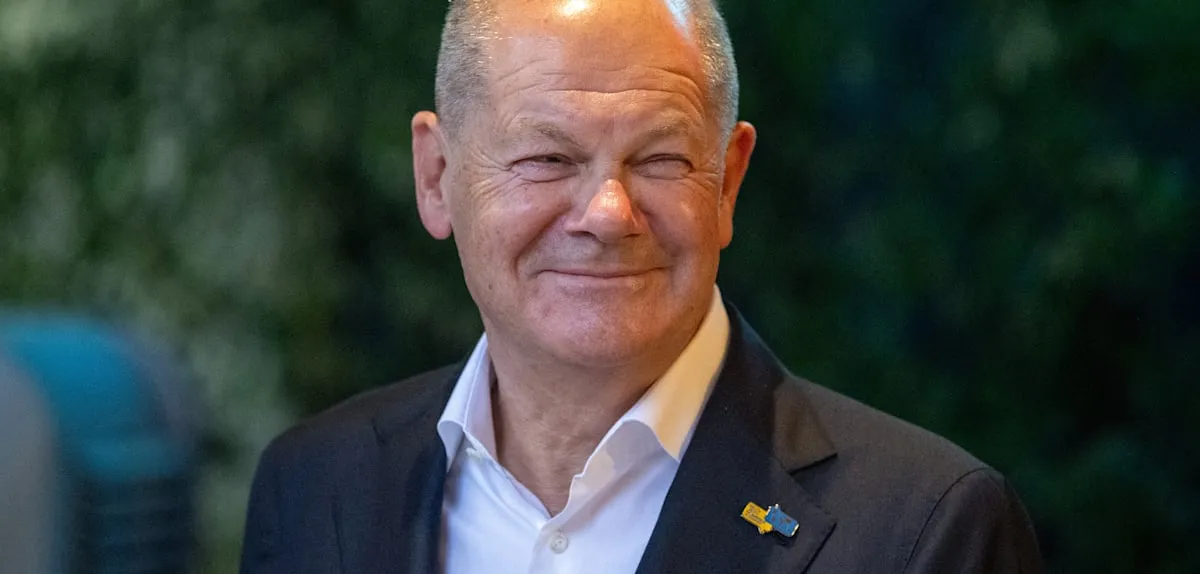
BERLIN – Former German Chancellor Olaf Scholz recently voiced his confidence in the stability of his country's democracy, highlighting the latest election results as proof of the political system's resilience. In a podcast titled Elefantenrunde, Scholz not only sent a strong message to cynics who predicted democracy's demise but also proposed ambitious ideas for Berlin's redevelopment, including new district development at the former Tempelhofer Feld airport.
Scholz's statement emerged as a response to various skeptical views regarding the future of democratic systems, particularly amidst a global wave of populism. He asserted that the people's voice, reflected in general elections, forms a strong foundation not easily shaken by narratives of pessimism. This directly reflects a healthy political process where public participation remains a primary pillar.
This is a very clear message to all cynics who have predicted the end of democracy, Scholz stated, quoting his words from the podcast. His emphasis is not merely on electoral outcomes but on the maturity of German society in upholding democratic values, irrespective of existing political differences.
Beyond highlighting democracy's strength, Scholz also turned attention to crucial urban issues for the German capital. He expressed an urgent need for innovative and sustainable urban development, especially amidst Berlin's population growth and infrastructure challenges.
One of the most striking proposals is the development of Tempelhofer Feld into a new urban area. This vast former airport site has for years been a popular green public space, but Scholz sees greater potential to address housing crises and other urban needs.
Tempelhofer Feld holds a long history as a symbol of Berlin's freedom, from its military functions to its crucial role in the 'Berlin Airlift'. Its transformation into a giant city park was the result of a citizen referendum that rejected commercial development plans in the past. However, Scholz is now reopening discussions about the land's utilization with a new perspective.
The former Chancellor argued that Berlin requires new city districts to accommodate population growth and provide modern facilities. Developing Tempelhofer Feld, according to him, can be achieved while preserving much of the beloved green space, through intelligent architectural concepts and efficient spatial planning.
This idea is likely to spark intense debate among Berlin's politicians and citizens, given the sensitivity of public land development issues. Political discourse in Berlin is often characterized by various interests and public demands related to urban and social issues.
The main challenge lies in balancing development needs, environmental preservation, and community aspirations. Scholz's vision is to create a more modern and functional Berlin without sacrificing its historical identity and the vital green spaces essential for its residents' quality of life.
As a senior political figure, Olaf Scholz's views carry significant weight in German public discourse. Although no longer serving as chancellor, his voice remains relevant and capable of prompting important dialogues about the future direction of the country and its capital.
Editorial Insight: Olaf Scholz's statements are not merely a reflection on election results but a strategic maneuver to redirect public focus towards fundamental issues such as democratic resilience and urban development. His proposal for Tempelhofer Feld demonstrates an awareness of urgent housing and infrastructure needs but will also face resistance from preservation groups and citizens who desire open green spaces. The credibility of democracy, emphasized by Scholz, provides a strong foundation for pushing bold initiatives, including in urban planning.