 Stefani Rindus
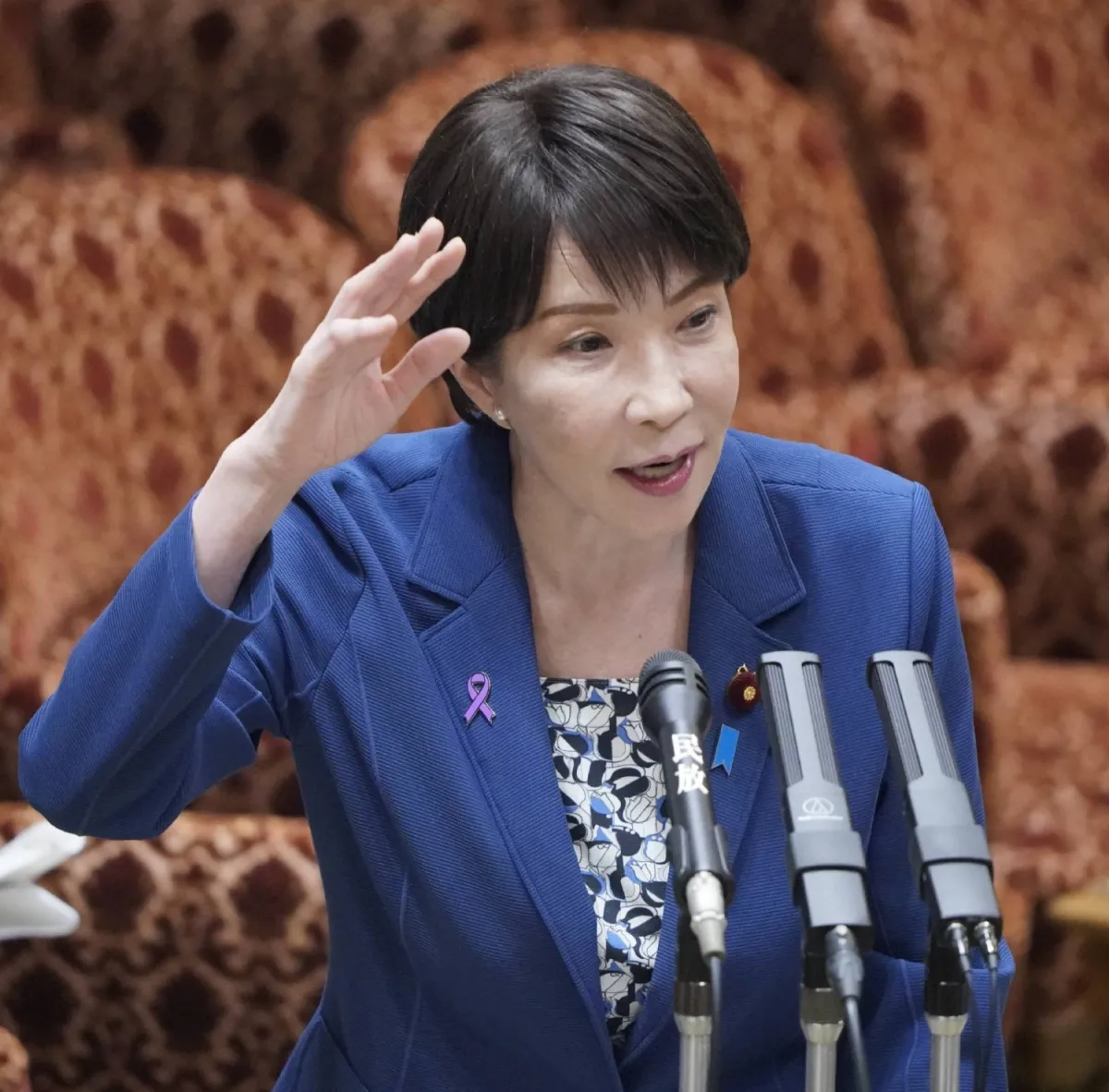
TOKYO – The opposition bloc in Japan's Upper House has emphatically urged the government to expand its economic relief schemes for low- and middle-income households. This demand arises alongside the implementation of food tax cut policies and in anticipation of their impact after the relief period concludes. The initiative aims to alleviate inflationary pressures felt by vulnerable households across the nation.
The proposed initiative by leading opposition parties includes income-linked cash payments. This assistance scheme would commence concurrently with the ongoing food tax cuts and would see increased intensity once the tax rate returns to its normal level. This demonstrates a deep concern for the purchasing power of the populace after the expiration of tax incentives.
A prominent spokesperson for one of the leading opposition parties, Hiroshi Tanaka, stated, 'The government must show greater empathy. Food tax cuts are merely a first step. We need assurances that working families will not be trapped in a cycle of poverty when these subsidies end.' This statement was made during an Upper House session discussing budget and fiscal policies in early 2026.
Parliamentary discussions reflect growing tension between the ruling coalition and the opposition bloc regarding the direction of economic policy. The opposition argues that current aid is not comprehensive enough to cope with persistent increases in the prices of basic goods.
The income-linked cash payment program is designed to provide a financial safety net. Thus, low- and middle-income workers can cope with economic fluctuations without having to sacrifice their basic needs. This policy is also expected to stimulate domestic consumption.
Details of the economic relief proposals put forward by the opposition include:
- Direct Cash Payments: Funds disbursed periodically to families meeting specific income criteria.
- Additional Subsidies: Increased subsidies in essential sectors such as energy and transportation, especially when the food tax cuts expire.
- Job Training Programs: Investment in training programs to enhance worker skills, preparing them better for labor market challenges.
The opposition also highlighted that fiscal policies must be adaptive and responsive to changes in both global and domestic economic conditions. They emphasized the importance of a long-term approach to ensure economic stability for all segments of society, not just temporary solutions.
The coalition government, led by the current Prime Minister, faces pressure to respond seriously to these demands. While acknowledging inflation challenges, the government previously stressed the importance of fiscal discipline and budgetary sustainability. However, strong public opinion points to the need for greater intervention to protect consumers.
This move by the opposition can also be seen as part of their efforts to gain public support ahead of the next general election. Economic issues and public welfare are always key determinants in Japan's political dynamics, as seen in the 2025 Japanese General Election ruling that questioned constitutionality and urged reforms.
Political analysts suggest that if the government fails to respond adequately, a significant shift in political support could occur. Inclusive and responsive fiscal policies are crucial for maintaining public trust.
Editorial Insight:
This demand from the Japanese opposition reflects a universal dilemma faced by many nations: how to balance fiscal stability with the urgent need to protect citizens from economic shocks. Amidst rising global living costs in 2026, pressure on governments to provide robust social safety nets will continue to increase. If this proposal is adopted, its impact will not only be felt in household purchasing power but also potentially influence internal political dynamics and investor confidence in Japan's ability to manage its economy in the future.