 Robert Andrison
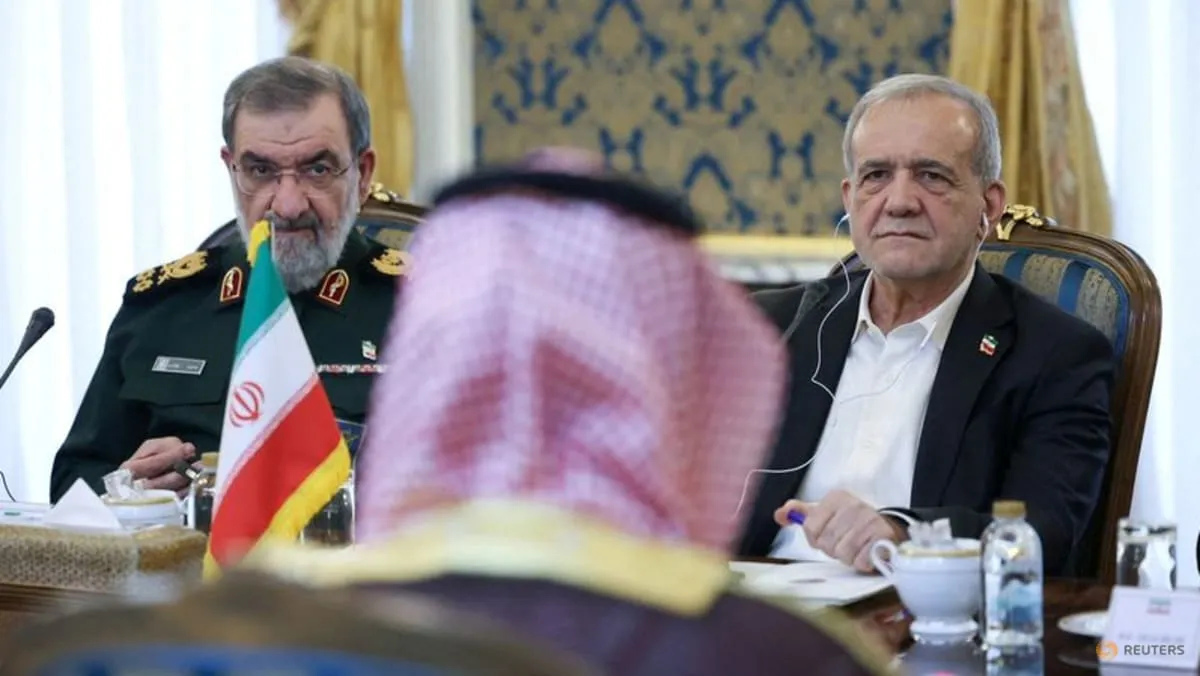
ISLAMABAD – Pakistan expresses cautious optimism regarding its intensive mediation efforts between Iran and the United States. The diplomatic mission involving Pakistan's chief mediator, supported by Saudi and Turkish officials, focuses on de-escalating the eight-month-old regional conflict. Two visits to Tehran this month, including one on Monday, mark a new chapter in the search for a peaceful solution to tensions threatening regional stability.
These diplomatic endeavors reflect Pakistan's strong commitment to global peace and security. As a nation with historically good relations with both parties, Pakistan positions itself as a vital communication bridge in defusing this complex situation. The chief mediator has worked tirelessly to build trust and explore possibilities for constructive dialogue.
The Iran-United States conflict, ongoing for the past eight months, has been characterized by a series of incidents and rhetorical tensions. These tensions have deep roots, involving nuclear issues, economic sanctions, and a struggle for influence in the Middle East. Further escalation could lead to much broader destabilizing effects on the global economy and regional security.
The presence of officials from Saudi Arabia and Turkey in the mediation delegation demonstrates regional consensus on the importance of calming the situation. Both countries, with significant influence in the Islamic world, provide additional diplomatic weight expected to push the warring parties towards substantive negotiations.
Internal diplomatic sources revealed that Pakistan's chief mediator traveled back and forth between key capitals. The visits to Tehran were not merely formal meetings but a series of in-depth discussions to understand each party's position and find common ground that could form the basis of an agreement.
The term cautious optimism from the Pakistani military implies a deep understanding of the complexity of the challenges faced. This is not an indication of assured success, but rather an acknowledgment of small progress achieved in a highly sensitive process. Every step forward, however minor, is considered important in the current geopolitical context.
The potential outcomes of this mediation are diverse. Ideally, there will be verbal de-escalation, followed by a reduction in military activities or provocations in strategic areas. In the best-case scenario, direct dialogue between Washington and Tehran could be facilitated, paving the way for long-term negotiations.
Stability in Iran-United States relations is crucial for the entire West Asian region. Protracted conflict not only hinders economic development but also exacerbates humanitarian crises and empowers extremist groups seeking to profit from chaos. These mediation efforts, if successful, would provide a breath of fresh air for millions yearning for peace.
From a global perspective, tensions in the Middle East have ripple effects on world oil markets, international shipping lanes, and geopolitical alliances. The international community watches closely, hoping that diplomatic approaches can prevent open conflict that could potentially draw other major powers into a spiral of violence.
Diplomats and regional leaders recognize that a complete solution will not be achieved overnight. This process requires persistence, patience, and political will from all actors. Pakistan, through its mediating role, hopes to plant the seeds of sustained dialogue for a more stable future.
Editorial Insight: Pakistan's mediation efforts amidst the escalating Iran-United States conflict in 2026 highlight a shift in geopolitical dynamics. The involvement of Saudi Arabia and Turkey affirms that regional solutions are increasingly sought for regional problems. The success of this mediation would not only defuse the crisis but also solidify Pakistan's role as a key actor in peace diplomacy, potentially opening doors for new, more inclusive dialogue formats in the Middle East.