 Chandra Wijayanto
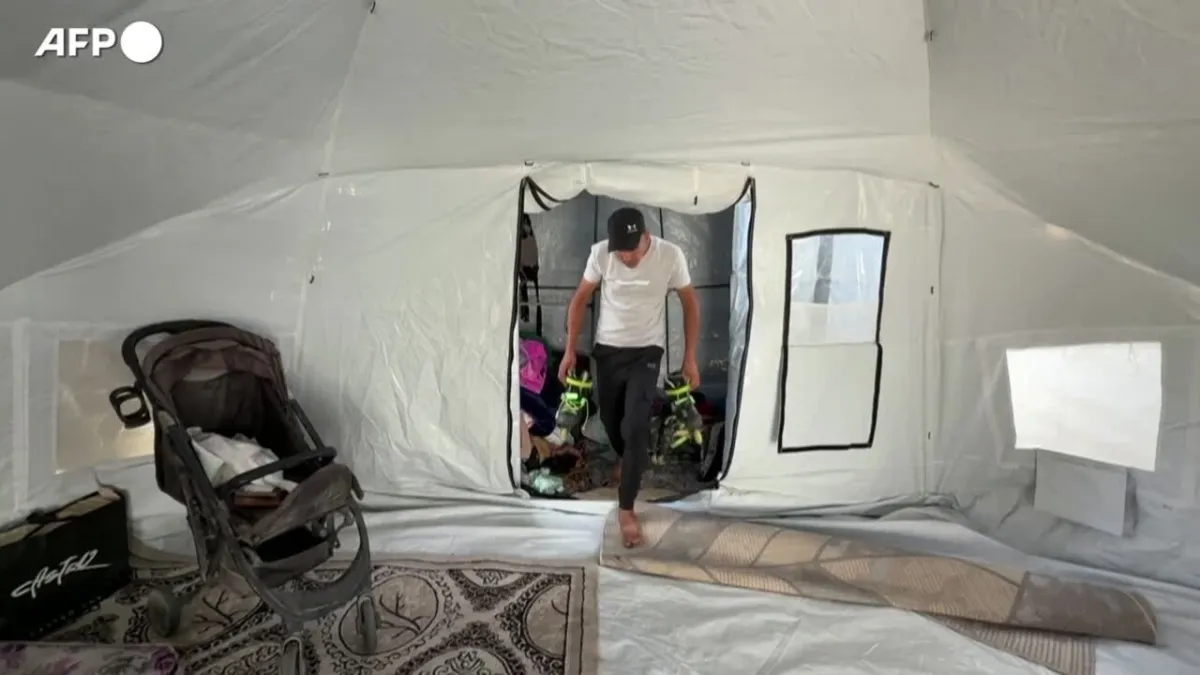
KHAN YUNIS — In 2026, amidst the lingering ruins of a protracted conflict in the Gaza Strip, a group of young Palestinians in Khan Yunis have discovered a unique way to rekindle hope. With roller skates on their feet, they glide between the destroyed buildings, transforming the devastated landscape into an arena of freedom and self-expression. This activity is more than just a hobby; it is a manifestation of spiritual resilience, a sportive escape from the harsh realities of life in a conflict zone.
This phenomenon has emerged as a creative response by the youth to the limited mobility and scarcity of recreational facilities due to blockades and damaged infrastructure. Every afternoon, areas that once housed densely populated settlements now bear silent witness to their perseverance. Roller skating not only offers enjoyment but also serves as a means of community building and mental health improvement amidst immense psychological pressure.
For many of them, the sound of wheels scraping against the asphalt, accompanied by laughter and cheers, is a symphony of defiance. Moments spent on roller skates allow them to momentarily forget the trauma and anxiety about the future. "Here, among these ruins, we feel free," a 16-year-old named Ahmed told our journalists, reflecting the feelings of many peers.
This pursuit of sport becomes a vital medium. In a situation that often limits dreams, roller skating opens new horizons. It serves as a reminder that while physical structures may crumble, the human spirit to create, play, and seek joy remains intact. This activity also indirectly builds physical and mental resilience, two crucial aspects for survival in Gaza.
The conditions in Gaza in 2026 remain challenging. Despite reconstruction efforts, the scars of previous conflicts, including tragedies documented in news such as "Gaza Berdarah Lagi: Delapan Tewas, Seorang Anak Jadi Korban Serangan Israel", are still palpable. In this context, activities like roller skating become more than mere entertainment; they are a symbol of peaceful resistance and hope.
A group of local mentors, mostly older youth, organize training sessions and provide equipment for those in need. They believe that channeling young energy into positive activities is the best investment for the future. This initiative has grown organically from the community's needs, often without extensive external support.
Naturally, challenges persist. Uneven roads, dangerous debris, and limited access to adequate equipment are daily obstacles. However, the spirit of these young people remains unyielding. They dream of one day having proper facilities where they can train without fear and showcase their talents to the world.
Fatima, a 14-year-old girl, displays remarkable agility as she glides on her skates. "I want to become a professional athlete," she states, full of hope. Her story represents thousands of young people in Gaza who refuse to surrender to fate, finding an outlet through talent and dedication.
The scene in Khan Yunis sends a universal message about human resilience. Even amidst destruction, life finds a way to flourish, and youthful spirit becomes a beacon of hope. Sport, in this instance roller skating, acts as a catalyst for positive change and psychological recovery.
Stories like these remind the world that behind headlines of conflict and crisis, there are narratives of courage, adaptation, and the timeless pursuit of joy. Gaza, through its roller-skating youth, teaches us the true meaning of resilience.