 Angel Doris
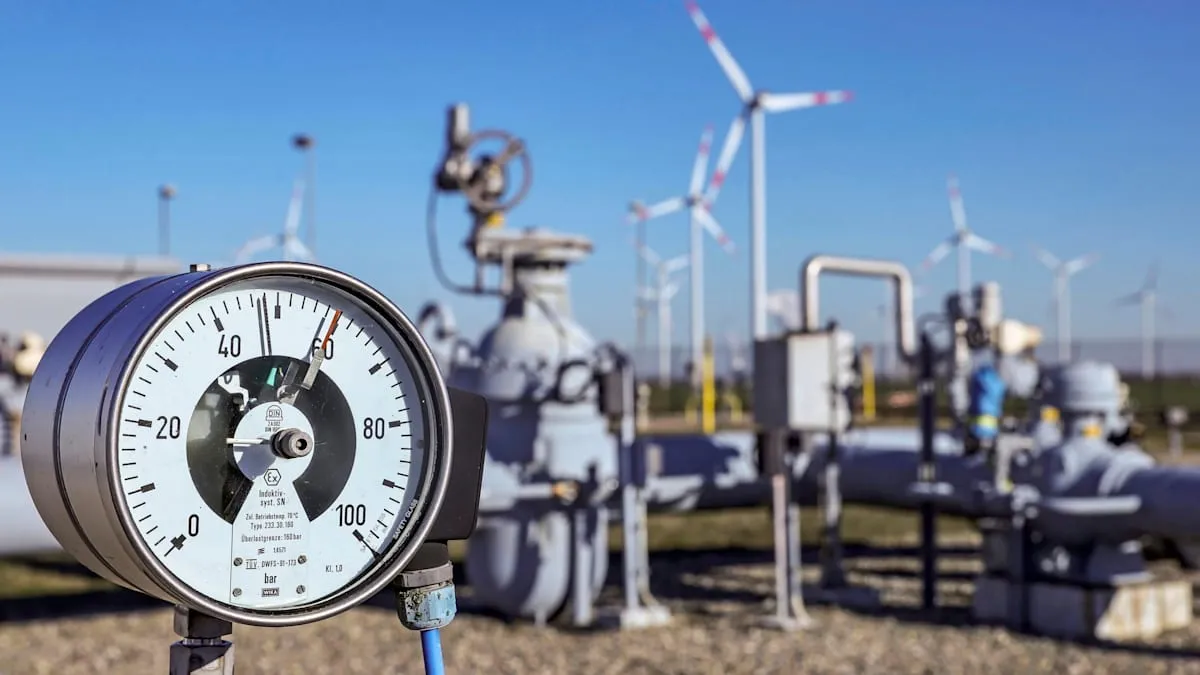
BERLIN – Germany's gas supply faces a serious threat in 2026, with storage reserves now at a historically low point. This stark warning comes from leading energy expert Frank Umbach, who emphasizes that national energy supply security relies too heavily on a fragile best-case scenario assumption. Uncertain liquefied natural gas (LNG) imports and potential supply disruptions are major concerns that could trigger an energy crisis in the heart of Europe.
Umbach, a respected authority in energy policy, explicitly states that current gas storage levels are far from ideal. Unstable global energy market dynamics and ongoing geopolitical tensions, especially following the conflict in Ukraine, have exacerbated this situation. Even though Europe continues to strive to end the Ukraine conflict in 2026 through negotiations, its impact on energy security is still deeply felt, intensifying Germany's dependence on external energy sources. This, combined with ambitious energy transition efforts, creates significant vulnerabilities.
These historically low gas reserves are anything but unproblematic, Umbach stated. Germany is heavily reliant on a best-case scenario, while the reality is far more complex and fraught with risks. His statement highlights the lack of flexibility in Germany's gas supply system to cope with unexpected shocks.
Recent data indicates that gas storage facilities across Germany are at alarming capacities. These figures serve as a danger signal for industries and households heavily dependent on gas for heating and production. Even a minor disruption to the supply chain could have severe cascading effects.
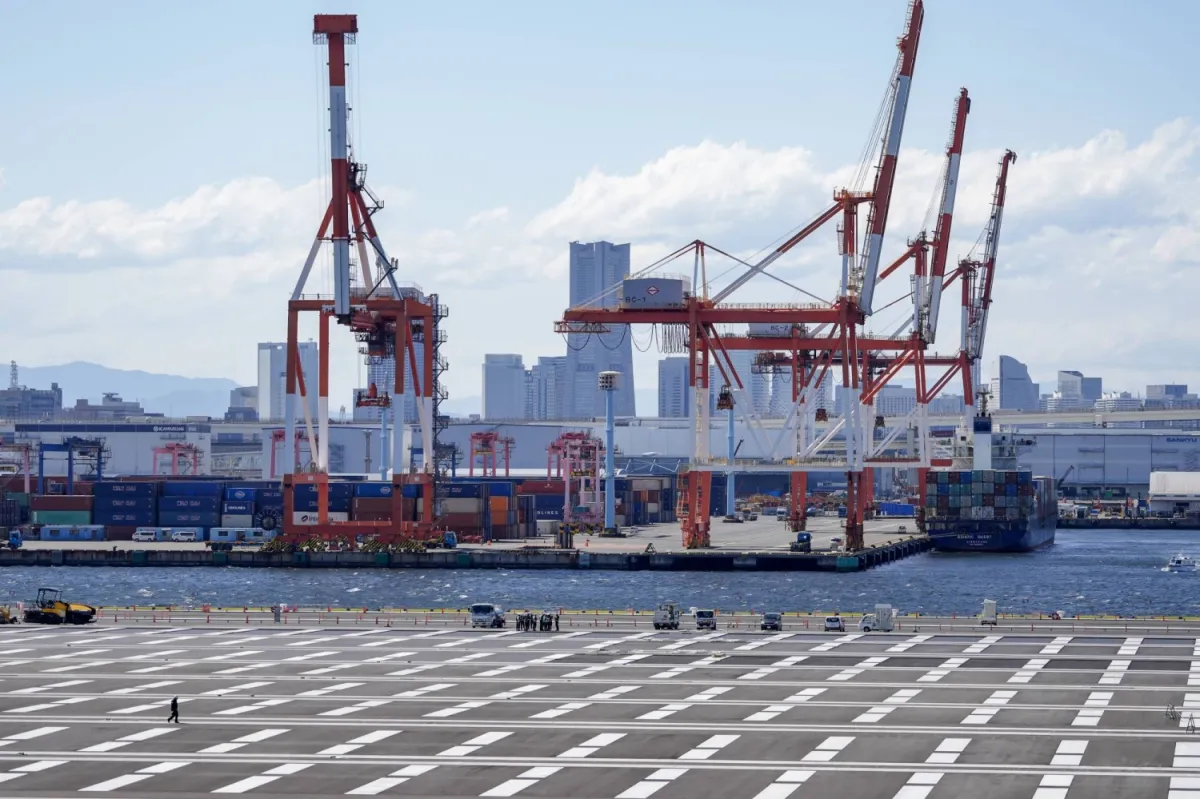
Uncertain LNG imports add another layer of complexity to this situation. Although Germany has invested heavily in new LNG infrastructure, global supply remains competitive and prices are highly volatile. Reliance on LNG means Germany competes with other nations for cargo, which can lead to drastic price increases or even supply shortages.
The risk of supply failure cannot be ignored. The worst-case scenario, as warned by Umbach, includes the possibility of technical disruptions, sabotage, or political decisions limiting exports from supplier countries. The impact of such an event could be profoundly damaging to Europe's largest economy.
The German government, under Chancellor Olaf Scholz, has repeatedly affirmed its commitment to ensuring energy security. However, criticism from experts like Umbach suggests that existing strategies may not be robust enough to address evolving challenges. The debate regarding the energy mix and the pace of transition from fossil fuels has resurfaced.
Several policies have been implemented, including a push for energy efficiency and the development of renewable energy sources. However, this transition process takes time, and during this period, gas supply security remains a crucial priority.
Umbach's warning aligns with broader concerns in Europe regarding energy resilience post-Ukraine conflict. Several European countries, including Germany, have sought to diversify their energy sources and reduce dependence on a single supplier. However, these efforts are still in their early stages and require significant investment and cross-border coordination.
As a comparison, similar situations have occurred in previous years, but the historically low reserves currently add urgency. Volatile global energy markets, compounded by political uncertainties in several energy-producing regions, create an unfavorable environment for major importers like Germany.
It is imperative for German authorities to re-evaluate their gas supply strategy. This includes not only ensuring adequate import volumes but also building stronger strategic reserves and exploring all available options to mitigate risks. Considering the worst-case scenario is no longer an option, but a strategic necessity.
Editorial Insight: Frank Umbach's warning is not merely a voice of pessimism but a serious call for Germany to confront the reality of its energy vulnerabilities. Relying on a best-case scenario in energy policy is a highly risky gamble, especially amidst global geopolitical uncertainties. The government needs to urgently review its reserve and diversification strategies, ensuring Germany's energy resilience is not just a dream but a solid foundation for economic and social stability in the years to come.