 Chris Robert
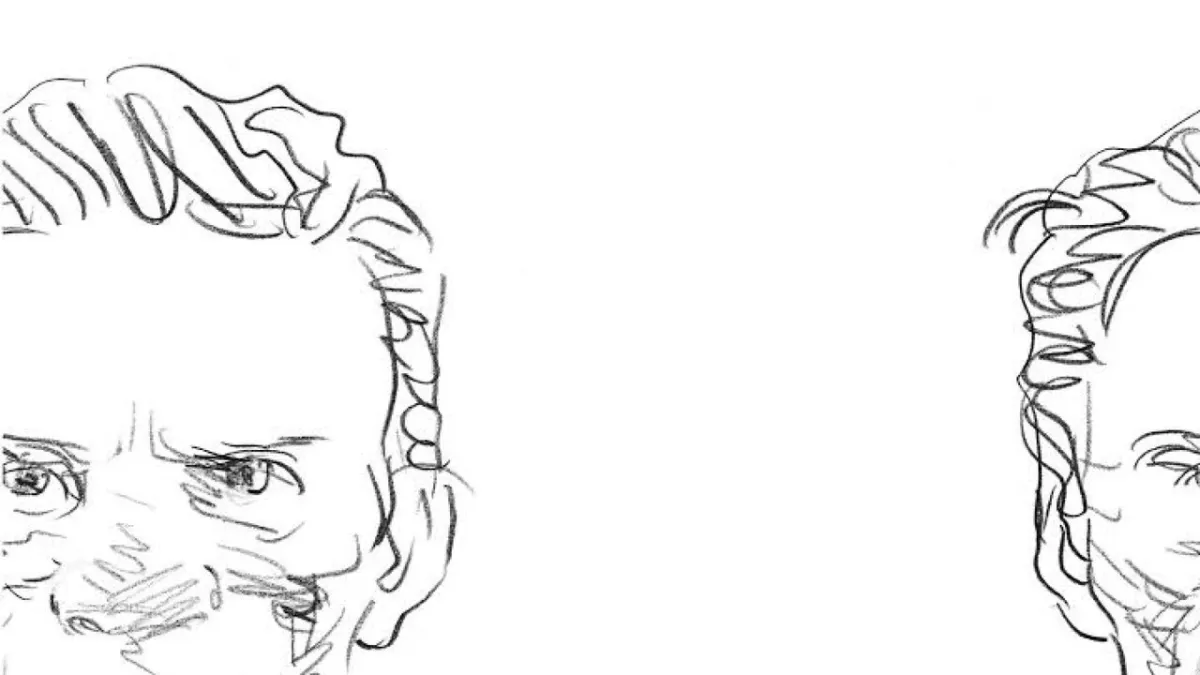
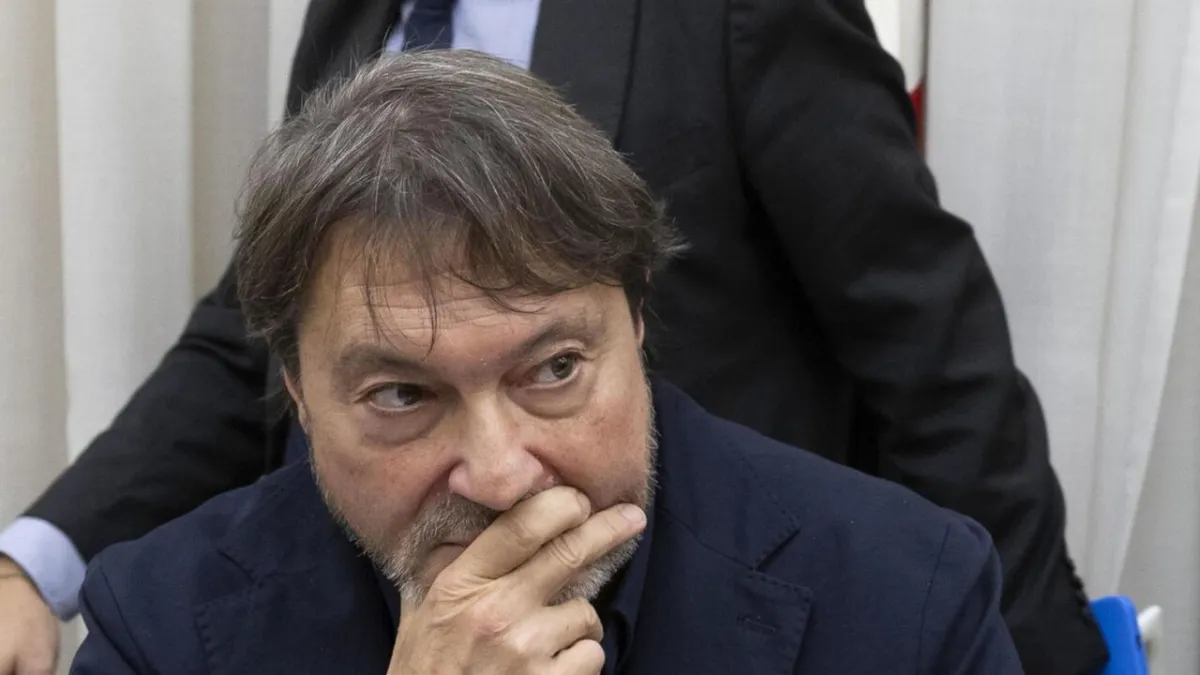
ROME – A profound biographical work titled 'Pasolini una vita, anzi due' by artist Ascanio Celestini once again shines a light on the complex life of Pier Paolo Pasolini in 2026. This performance dissects the multifaceted aspects of the mysteriously murdered Italian director, poet, and intellectual, who left behind a controversial artistic legacy.
Celestini, known for his sharp narrative abilities, presents a new interpretation of Pasolini. He does not merely recount a chronology but delves into the dual dimensions of Pasolini's existence; between his provocative public life and his often misunderstood inner turmoil.
Pier Paolo Pasolini was a figure who constantly defied the current, vocal in his social critiques against the bourgeoisie, religion, and consumerism in post-war Italy. His works—ranging from films like 'Salo, or The 120 Days of Sodom' to his poetry—were often considered taboo yet visionary.
Pasolini's death in November 1975 remains one of the greatest mysteries in Italian cultural history. He was found dead in Ostia, and although a young man was convicted, many speculations point to political conspiracy or organized crime groups, a narrative that Celestini presents with new depth.
Through the lens of 'una vita, anzi due', Celestini invites audiences to reflect on how Pasolini's legacy—with all its contradictions—remains relevant amidst the challenges of modern society in 2026. Issues of freedom of expression, marginalization, and the struggle against social hypocrisy continue to be at the core of current discourse.
Celestini's humanistic and immersive approach, combining monologues, music, and theatrical elements, allows the audience to feel an emotional closeness to the dilemmas Pasolini faced. This is not just a biography but a dialogue between the past and the present.
Celestini's narrative carefully unravels Pasolini's network of relationships with political powers, intellectual circles, and individuals on the fringes of society. He demonstrates how Pasolini, as an openly homosexual man, faced discrimination and condemnation that led to his isolation.
Art and literary critics have welcomed Celestini's endeavor. They believe that amid the sea of digital information, such profound reinterpretations are crucial for preserving the collective memory of important figures who shaped the contemporary intellectual landscape.
This work also serves as a bitter reminder of the risks faced by artists and intellectuals when they dare to voice unpopular truths. Pasolini's courage to speak out often led to isolation, threats, and ultimately, his death.
'Pasolini una vita, anzi due' not only celebrates the work of a genius but also serves as a warning against the dangers of extremism and the importance of maintaining space for dissent in an increasingly polarized society. It is a call to understand human complexity without judgment.
Celestini successfully captures the essence of Pasolini, who is often reduced to stereotypes. He reveals a Pasolini who was vulnerable yet resilient, a visionary trapped in the brutal reality of his time, and a martyr for freedom of expression.
As the world enters the mid-2020s, where ideological polarization is increasingly evident, Pasolini's thoughts on systemic corruption and the erosion of humanitarian values feel even more relevant. Celestini invites us to ask, have we learned from history?
This performance also highlights how Pasolini, a Marxist intellectual, at the same time had a deep interest in spirituality and tradition. A paradox that only adds to the complexity of his character, and which Celestini explores with sensitivity.
Thus, Ascanio Celestini does not merely retell a story; he creates a living canvas that challenges audiences to see Pasolini, and themselves, in a way never before experienced, sparking prolonged critical reflection.
Editorial Insight: Ascanio Celestini's work on Pasolini is not merely a retrospective tribute but an essential artistic intervention in 2026. It reaffirms that the fundamental questions about power, morality, and personal freedom posed by Pasolini decades ago still haunt and shape public discourse today. His life and still controversial death continue to be a mirror for a society that often fails to understand or accept those who dare to be different.