 Dorry Archiles
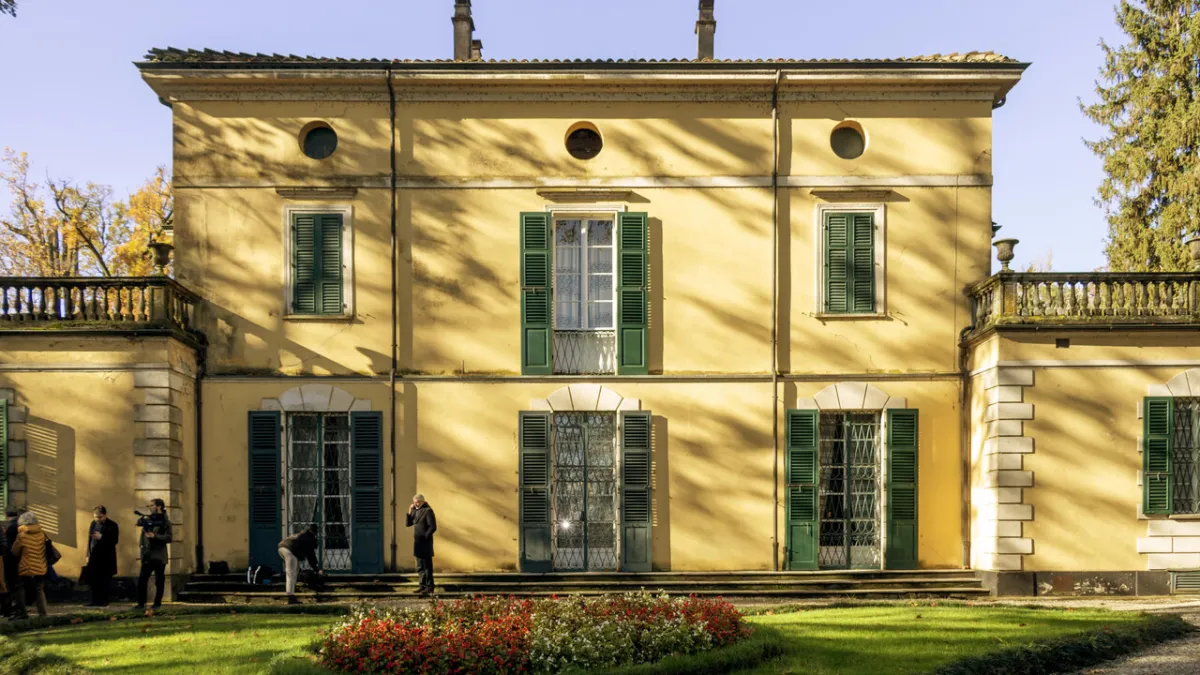
MILAN – World-renowned maestro conductor Riccardo Muti launched a scathing critique against the Italian government following the alarming state of Villa Verdi, the former residence of legendary composer Giuseppe Verdi, now threatened with abandonment. Muti, whose reputation is beyond reproach, stated that 'governments have done a terrible job' in managing this vital cultural heritage, urging swift intervention to erase the 'embarrassment before the world' before Italy's reputation is further tarnished. This issue surfaced in 2026, sparking intense debate about the nation's commitment to historical preservation.
Muti's condemnation is not unfounded. Villa Verdi, located in Sant'Agata, near Busseto, is a historic site that holds memories of the life and immortal works of Giuseppe Verdi, one of Italy's greatest classical music icons. However, following the death of Verdi's last heir, the site became entangled in protracted legal and administrative disputes, leading to uncertainty about its future.
'We must act quickly to remove this embarrassment before the world,' Muti emphasized, highlighting the urgency of the situation. His statement reflects deep disappointment with the bureaucratic sluggishness that has left this cultural gem in limbo. For Muti, this neglect is not merely an administrative issue, but a severe blow to the nation's cultural identity.
The 85-year-old conductor added that successive Italian governments, both past and present, seem helpless in the face of the complexities of managing and funding Villa Verdi. This raises serious questions about the priorities for investing in national heritage amidst various economic challenges.
The villa, with its classical architecture and charming gardens, once inspired many of Verdi's masterpieces, including his renowned operas. Every corner holds a story, from the maestro's private study to his invaluable personal belongings. Its potential as a cultural destination and a center for music education is immense, yet it now faces the threat of fading.
This situation is reminiscent of similar challenges faced by other historic sites in Italy. Although the country is rich in cultural heritage, management and maintenance are often hampered by bureaucracy, lack of funds, or ownership disputes. Efforts to preserve Italy's cultural heritage are indeed often under scrutiny, such as the four-year restoration of Giotto's masterpiece in Santa Croce.
Various stakeholders, from the artist community and academics to history enthusiasts, have repeatedly called for concrete government intervention. They hope that Villa Verdi can be acquired by the state or managed by a dedicated non-profit organization, ensuring its preservation for future generations.
The debate surrounding Villa Verdi's ownership status and management model has been ongoing for some time. Ideally, the site could be transformed into a public museum or an active music study center, attracting tourists and researchers from around the world, while immortalizing Verdi's memory.
Muti's appeal is expected to act as a catalyst for the Italian government to take definitive steps immediately. The public awaits clear policies, not just rhetoric, but concrete actions that demonstrate a strong commitment to preserving the nation's heritage.
The loss or damage of Villa Verdi would be a tragedy not only for Italy but also for global music and culture. Given Verdi's central role in music history, failure to preserve his residence would become a dark chapter in cultural preservation history.
Editorial Insight: Riccardo Muti's urgent plea to the Italian government resonates far beyond the issue of a villa's ownership. It reflects a broader crisis in cultural heritage management in many nations, where historical and artistic value are often overshadowed by administrative and political complexities. Failure to act swiftly on Villa Verdi could impact Italy's international reputation as a guardian of civilization, as well as the loss of an educational and inspirational asset for future generations of artists.