 Chris Robert
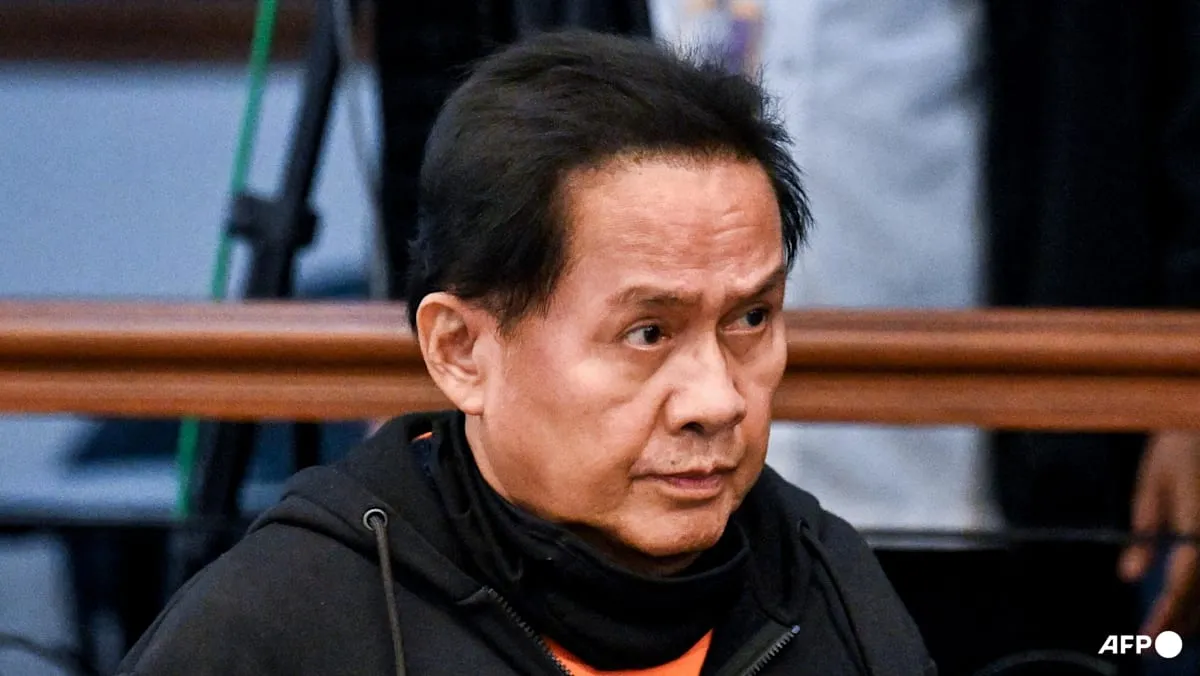
MANILA – A Philippine court recently took a significant step that could pave the way for the extradition of Apollo Quiboloy, the controversial leader of the Kingdom of Jesus Christ (KOJC), to the United States. This decision effectively ends Quiboloy's legal attempts to block the extradition process, marking a new chapter in a scandal that has shaken spiritual and legal realms in both nations.
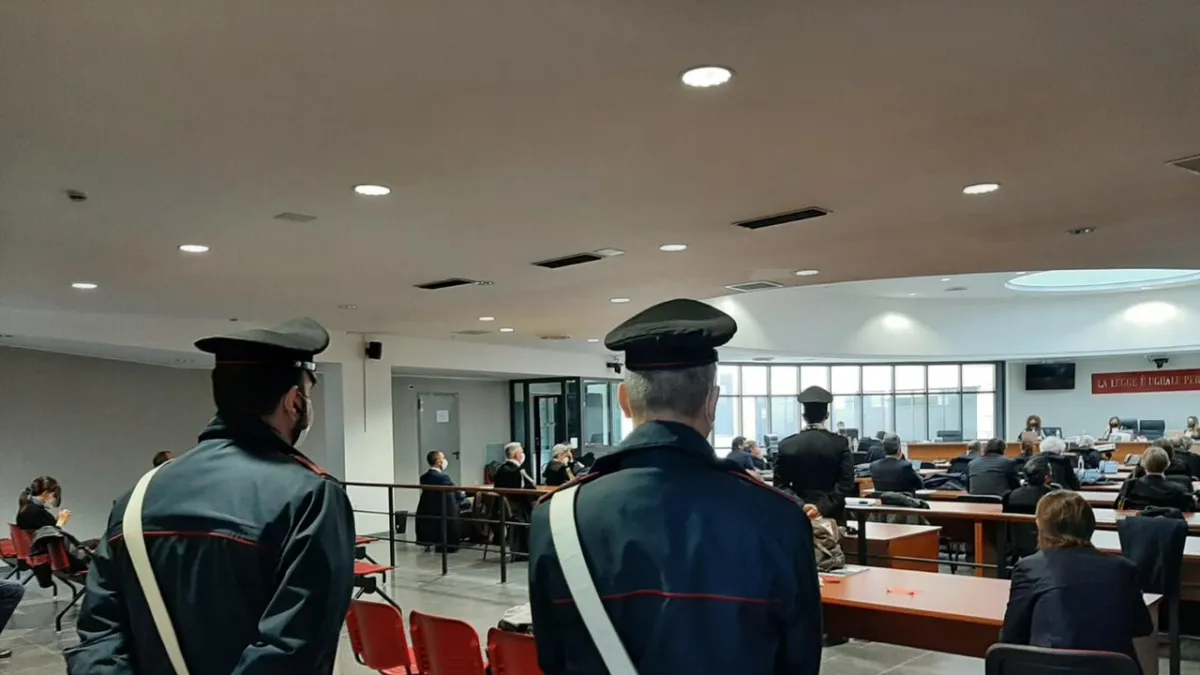
Quiboloy, who proclaimed himself the Son of God, was arrested in 2024 and has since been held without bail in a Philippine prison. His initial detention was linked to a series of human trafficking and sexual abuse charges, which have garnered widespread public attention. This development adds complexity to his case, drawing him into a larger international legal vortex.
The United States government has long sought to bring Quiboloy to trial in their country. The accusations against him in the US are extremely serious, including conspiracy to commit sex trafficking of children, sex trafficking by force, and conspiracy to commit money laundering. These charges stem from alleged exploitation of his followers, particularly women and minors, who were reportedly compelled into service involving abuse and financial manipulation.
In a series of arduous trials, Quiboloy's legal team vehemently denied all accusations. They argued that the case was politically motivated and an attempt to tarnish his reputation. However, evidence presented by prosecutors, both in the Philippines and by the US side, indicates a pattern of organized and systematic criminal activity.
This Philippine court ruling serves as a crucial turning point. Although the full details of the decision have not yet been publicly disclosed, strong indications suggest that Quiboloy's plea to delay or cancel the extradition has been rejected. This places Quiboloy in a vulnerable position, facing a high probability of imminent transfer to US jurisdiction.
Quiboloy's case is not merely a common legal matter; it is a complex narrative involving religious power, exploitation, and political intrigue. Many observers and victims hope that this extradition will bring justice to those who have long suffered under the influence of the cult leader.
Cooperation between Philippine and US law enforcement agencies has been key in this case. Although extradition processes are often time-consuming and involve intricate diplomatic negotiations, the determination of both countries to uphold international law appears unwavering. Cross-border crimes like human trafficking necessitate a coordinated global response.
This case also reminds the public of the vulnerability of individuals to manipulation by charismatic leaders, especially those who claim divine authority. Public education on the dangers of cults and victim protection is crucial to prevent similar tragedies from recurring in the future.
This development is expected not only to end Quiboloy's legal evasion but also to send a strong message that no one, including those shielded by religious garb, is immune from law and justice. Universal justice must be upheld regardless of one's social status or spiritual claims.
Similar cases involving international scandals and legal violations, such as the S$3 Billion Money Laundering Scandal that Rocked Singapore, illustrate the complexities of enforcing laws against cross-border crimes involving powerful figures. Each of these cases highlights the need for integrity and transparency within the global justice system.
Editorial Insight: This Philippine court decision reaffirms that attempts to evade international legal accountability are becoming increasingly difficult, even for figures with significant influence. Quiboloy's extradition to the US, if realized, will set a strong precedent for law enforcement against transnational crimes, particularly those hidden behind religious doctrines. This is also a crucial moment for victims to gain justice after years of waiting, and a stern warning to similar entities worldwide. The move underscores the Philippine government's commitment to combating serious crimes, amidst the public pressure and polarization of opinion that often accompany cases with religious dimensions.