 Edward DP Situmorang
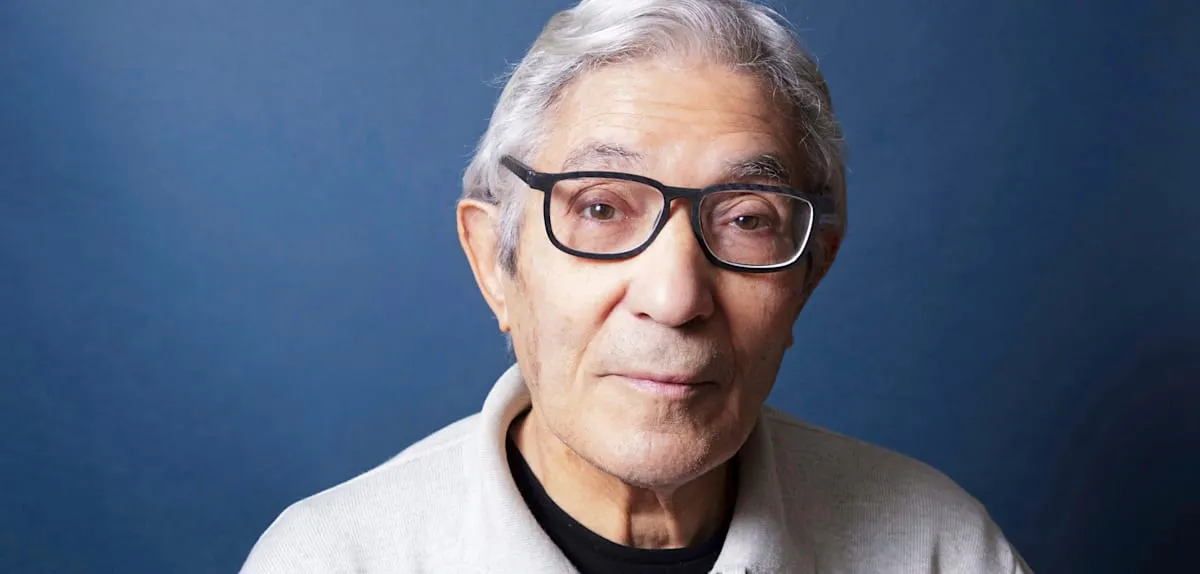
ALGIERS – Internationally acclaimed writer Boualem Sansal has once again drawn sharp attention after being arrested by Algerian authorities. He faces a series of serious accusations including terrorism, espionage, and endangering state security, which many deem absurd and politically motivated. This arrest, occurring amidst global concerns for freedom of expression in 2026, has sparked a wave of condemnation from the international literary community and human rights organizations.
Sansal, an intellectual who has consistently voiced criticism against the Algerian government and religious extremism, is being held at a detention facility in Algiers. Sansals lawyer reported that his client was charged based on a very broad interpretation of the law, making him a target for views expressed in his literary works.
The accusation of being public enemy number one is a label unilaterally assigned by the prosecutor, indicating that authorities perceive Sansal as a fundamental threat to regime stability. However, the true essence of the provocation lies in Sansals honesty and courage in articulating social and political realities often avoided by official discourse.
Sansals works, which frequently explore themes of identity, religion, and authoritarianism, have won numerous international awards and have been translated into many languages. His writings consistently offer a clear reflection of the complexities of Algerian society and the Arab world, a lens not always comfortable for those in power.
The global literary community quickly reacted, expressing deep concern over Boualem Sansals detention. Organizations such as PEN International and Reporters Without Borders called for his immediate release, highlighting that this act constitutes a direct assault on freedom of thought and opinion.
A spokesperson for PEN International stated, The charges against Sansal are a blatant attempt to silence a critical voice. This is a grim reminder that in many places, writing can be a revolutionary act severely punished by the state.
This arrest also reopens the debate on the role of intellectuals in society and the risks they face when challenging dominant narratives. Algeria, with its long history of political struggle, often views dissent as a subversive seed that must be suppressed.
The incident underscores a pattern of repression of press and expression freedom in several North African and Middle Eastern countries. Governments often use the pretext of national security to target journalists, artists, and writers who dare to speak truth or propose alternative ways of thinking.
In 2026, amid global efforts to promote good governance and human rights, Sansals case sets a worrying precedent. It demonstrates that the struggle for freedom of speech is far from over, even for individuals with international reputation and influence.
Sansals lawyer, in a statement, affirmed that his client has done nothing more than write and think freely, a fundamental human right that should be respected, not punished. This situation adds to a long list of cases where state authorities view the pen as more dangerous than the sword.
Boualem Sansals case is not just about one writer, but about the broader struggle to defend intellectual and artistic space from the grip of authoritarian power. It resonates with the history of movements advocating for intellectual autonomy, such as student movements in Europe during the 1960s that challenged the establishment. Read more about the context of intellectual resistance at Ancaman Pendidikan Swasta: Dosen Sorbonne Bergerak Selamatkan Universitas Publik.
Editorial Insight: The detention of Boualem Sansal on absurd charges is a serious indication of the regression of civil liberties in Algeria. This action not only silences one voice but also sends a chilling message to other intellectuals to refrain from criticism. Its long-term impact could be an environment that stifles intellectual innovation and hinders societal progress, further isolating the country from universal values of democracy and human rights. The international community must unite to pressure the Algerian government to respect the fundamental rights of its citizens.
,
excerpt: Penulis Boualem Sansal ditahan di Aljazair atas tuduhan terorisme dan spionase, memicu kecaman global terhadap kebebasan berekspresi.