 Demian Sahputra
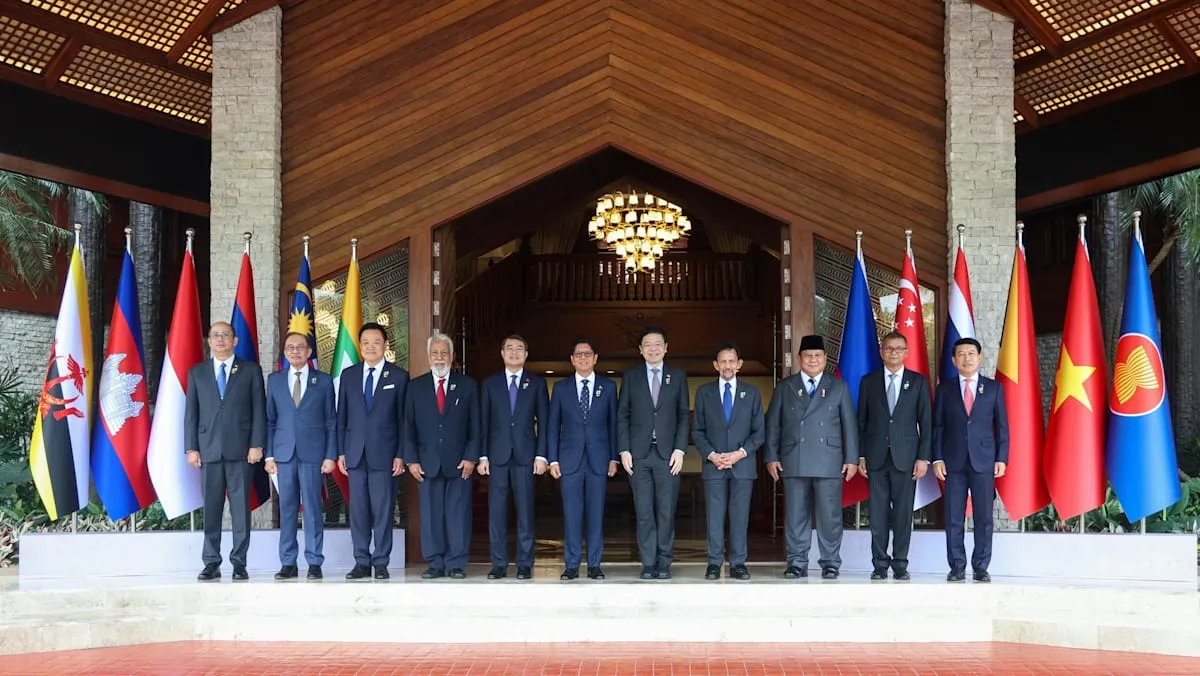
Singapore – Singaporean Prime Minister Lawrence Wong has urged the expansion of the mandate for the bilateral cross-border haze task force between Singapore and Indonesia, advocating for its transformation into a broader regional platform under the umbrella of the Association of Southeast Asian Nations (ASEAN). This call comes amidst a complex array of regional challenges, including simmering border tensions between Thailand and Cambodia, and the ongoing political crisis in Myanmar.
This strategic move is proposed to enhance the effectiveness of responses to the seasonal haze that frequently affects large parts of Southeast Asia, primarily stemming from peatland fires. PM Wong emphasized that transnational issues such as haze necessitate collective and coordinated solutions that transcend bilateral efforts.
According to him, the successful bilateral cooperation between Singapore and Indonesia in tackling haze can serve as a fundamental model. This model is expected to be replicated and scaled up to encompass all ASEAN member states, thereby creating a more comprehensive response mechanism.
PM Wong also underscored the importance of restraint concerning the persistent border tensions between Thailand and Cambodia. He highlighted the need for constructive dialogue and peaceful diplomacy to prevent escalation that could potentially disrupt crucial regional stability, vital for Southeast Asia's economic and social progress.
PM Wong's discussions also brought into focus the situation in Myanmar, which has yet to show significant progress. He reiterated ASEAN's stance that Myanmar must demonstrate 'concrete actions' before it can fully participate in regional forums again. Myanmar's volatile internal situation has posed a significant challenge to ASEAN's consensus and integrity.
ASEAN has repeatedly affirmed its pressure on Myanmar to implement the Five-Point Consensus Peace Plan, an anonymous senior ASEAN diplomat stated, referring to the initiative agreed upon to end violence and facilitate dialogue. Further details can be found in the related article: ASEAN Tegaskan Tekanan pada Myanmar: Rencana Damai Terus Diperjuangkan
The requirement for concrete actions from Myanmar includes the cessation of violence, dialogue with all relevant parties, the appointment of a special envoy, the provision of humanitarian aid, and the special envoy's visit to Myanmar. To date, the implementation of these points remains far from satisfactory, resulting in Myanmar's continued absence from high-level ASEAN meetings. This conflict has been repeatedly discussed, including in the article: ASEAN Didesak Cabut Larangan Junta Myanmar, Rencana Damai Terancam?
PM Wong's initiative aligns with broader ASEAN efforts to strengthen itself against various threats. Singapore itself has actively urged ASEAN to bolster its digital economy and energy sectors in response to global challenges, as previously covered: Ancaman Global Menerpa, Singapura Desak ASEAN Perkuat Ekonomi Digital & Energi
The transformation of the haze task force into a regional platform is a manifestation of a vision for deeper integration. This is not merely about addressing an environmental problem but also about building trust and stronger cooperation mechanisms among member states.
The annual haze, often peaking during the dry season, not only impacts public health but also disrupts tourism, aviation, and the economy as a whole. Therefore, the integrated approach proposed by PM Wong becomes highly pertinent.
Amidst the dynamic geopolitical landscape of 2026, internal stability and regional solidarity are invaluable assets for ASEAN. Diplomatic efforts, both in managing environmental crises and internal member conflicts, will determine ASEAN's standing on the global stage.
A commitment to conflict restraint and the promotion of peaceful dialogue, as suggested for Thailand-Cambodia, is also a crucial pillar in maintaining ASEAN cohesion. Without stability, economic and political integration efforts will be difficult to achieve.
Editorial Insight:
Prime Minister Wong's vision to evolve the bilateral haze task force into an ASEAN-wide platform reflects a profound understanding of transnational challenges. This move is not only pragmatic in addressing environmental issues but also symbolic in strengthening the regional cooperation architecture. However, the success of this initiative will heavily depend on the political commitment of all member states, particularly in addressing sensitive issues like the Myanmar crisis and border tensions. ASEAN's future credibility will be significantly determined by its ability to balance member state sovereignty with the imperative for collective solutions.