 Chandra Wijayanto
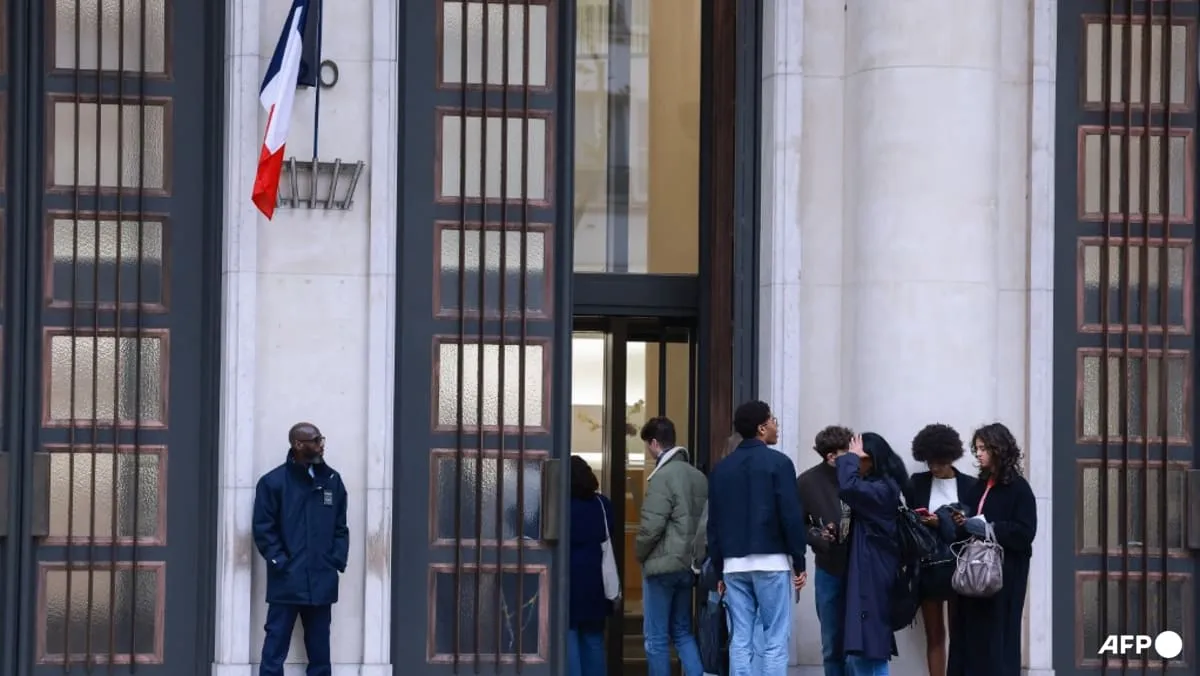
PARIS – A wave of discontent has swept through the French education sector this week as dozens of schools across the country have been completely paralyzed by blockades orchestrated by thousands of university and high school students. This mass protest erupted as a forceful response to the government's plan to implement the National Evaluation System Reform (RSEN), which is widely perceived as widening disparities and limiting access to quality education for many segments of society.
The actions, which began on Monday morning, have now spread to over 50 educational institutions, ranging from high schools to prominent universities in major cities such as Paris, Lyon, Marseille, and Bordeaux. Protesters erected barricades using wooden pallets, trash cans, and even bicycles, effectively blocking entry for teaching staff and other students.
The spokesperson for the National Union of Students (UNEF), Camille Dubois, expressed deep disappointment over the policies initiated by the Ministry of Education. The government is not listening to us. RSEN is a regressive policy that will destroy the future of the young generation. We demand genuine dialogue, not coercion, Dubois asserted during an emergency press conference in front of the Sorbonne University.
According to Dubois, the reform will drastically alter graduation and university admission criteria, threatening the academic prospects of students from less privileged economic backgrounds. This is not just about grades; it's about life opportunities, she added.
The Minister of National Education, Bernard Lefevre, in his official statement, regretted these blockades. He emphasized that the RSEN was designed to improve educational standards and the competitiveness of French graduates on a global scale. We understand the concerns that have arisen, but dialogue must take place at the negotiation table, not in the streets, disrupting the learning process, Lefevre stated.
Nevertheless, the ministry has yet to show any signs of responding to demands for the reform's cancellation. Tensions are escalating as demonstrations are expected to involve more institutions in the coming days.
This situation adds to a long list of domestic challenges facing President Emmanuel Macron's administration, which is also preoccupied with efforts to strengthen France's international role, including in cultural heritage preservation missions in Cambodia, as previously reported. (See: President Macron: France Reinforces Role as Guardian of Cambodia's Angkor Heritage 2026).
Police have so far refrained from widespread repressive actions, but patrols around the blockaded schools have been increased. Some reports mention minor incidents between demonstrators and security forces on the outskirts of Paris, although no serious injuries occurred.
The impact of these blockades is felt not only by students who cannot enter but also by parents worried about their children's education. Many of them voiced support for students' right to protest but also hoped for an immediate solution so that the learning process could resume.
Sociology of education expert from Nantes University, Professor Elise Moreau, views these actions as a manifestation of accumulated frustration. Students often lead the way in voicing injustice. The government needs to seriously re-evaluate its approach in designing public policies with broad impacts, she explained.
Editorial Insight: The unrest in France reflects a common pattern of resistance to government reforms, especially if such policies are perceived to threaten the opportunities of the younger generation. The government's defensive response without providing room for constructive dialogue has the potential to prolong the crisis and disrupt social stability. It is crucial for the French government to quickly find common ground, perhaps by reviewing the controversial aspects of the National Evaluation System Reform, to prevent a broader escalation of conflict that would be detrimental to the future of the country's education.