 Robert Andrison
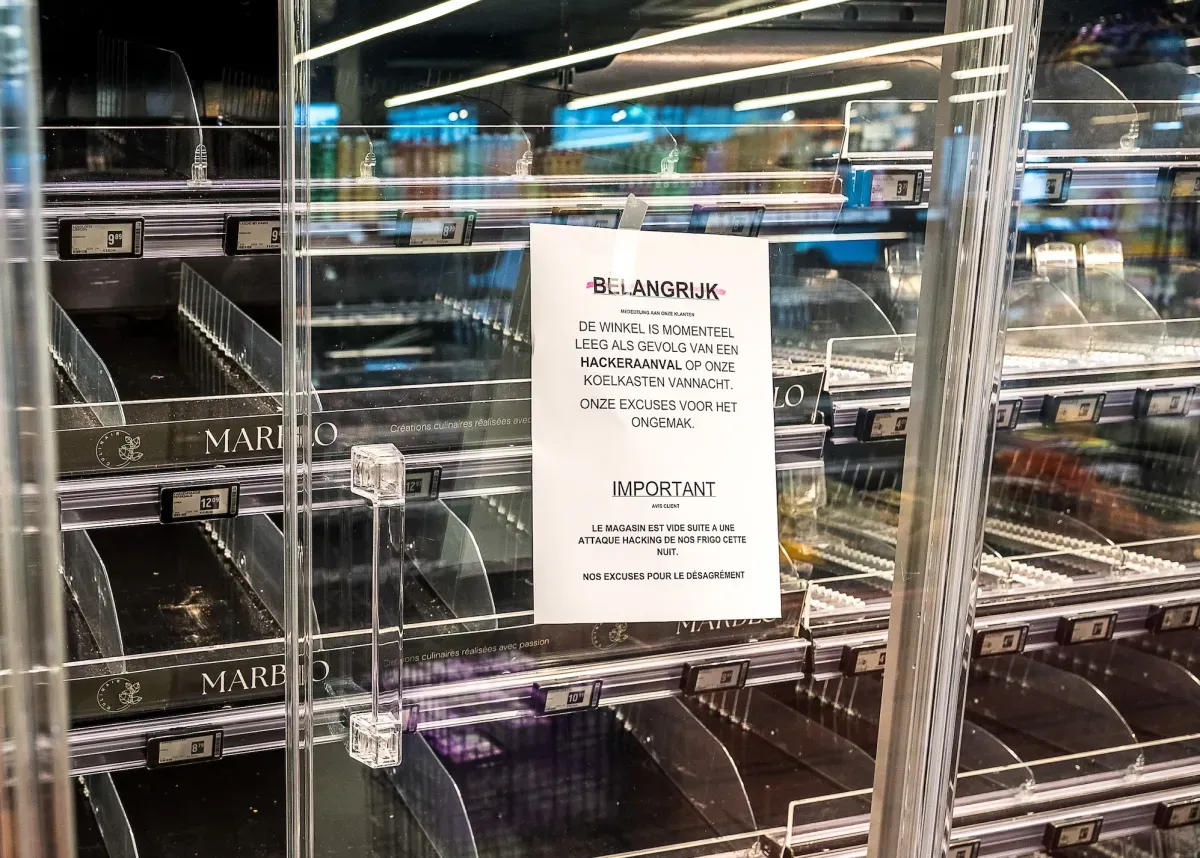
PARIS – France's Foreign Ministry has explicitly accused Iran of being behind at least two waves of cyberattacks targeting industrial refrigerated and freezer units across France and much of wider Europe. This statement comes in response to cybersecurity incidents that threaten vital infrastructure, including food supply chains and healthcare facilities.
These cyberattacks reportedly specifically targeted freezers in grocery stores and blood banks, raising serious concerns for national security and public welfare. Paris demands an explanation and concrete actions from Tehran for what it terms deliberate cyber aggression.
France's top diplomat, without detailing specific evidence gathered, stated that the attack patterns indicate state actor involvement. The chosen targets, refrigeration systems, suggest an attempt at destabilization or intelligence gathering related to critical infrastructure.
This incident marks an escalation in the global cybersecurity landscape, where state entities are increasingly accused of using digital attacks as a tool in geopolitical competition. Attacks on vital systems such as food storage facilities and medical products have the potential for extremely damaging impacts.
Cybersecurity experts highlight the vulnerability of industrial infrastructure to sophisticated attacks. Refrigeration units, often connected to networks without adequate protection, become easy targets for malicious actors seeking to disrupt operations or steal sensitive data.
The attacks have sparked deep discussions among European Union member states regarding the need to strengthen collective cyber defenses. Cross-border coordination is crucial to address threats that know no geographical boundaries, as previous incidents have also highlighted the urgency of cybersecurity cooperation, such as the discussions between Ukraine and the European Union in 2026, which can be seen in the article Zelenskyy Reveals Crucial Ukraine-EU Coordination Ahead of Abu Dhabi Dialogue.
Similar events threatening critical infrastructure security have also occurred in the United States, such as the incidents reported in Washington in 2026, documented in the news White House Security Threatened: Two Gripping Incidents Rock Washington 2026. This demonstrates that cyber threats are a global issue requiring a coordinated response.
The targets of the cyberattacks identified by French authorities include:
- Refrigeration units in grocery stores
- Freezer systems in food storage facilities
- Blood banks and related medical facilities
The targeting of blood banks specifically raises ethical and humanitarian concerns, as it could disrupt crucial blood supplies for operations and emergency handling. This highlights the moral dimension of cyber warfare that transcends mere economic or political interests.
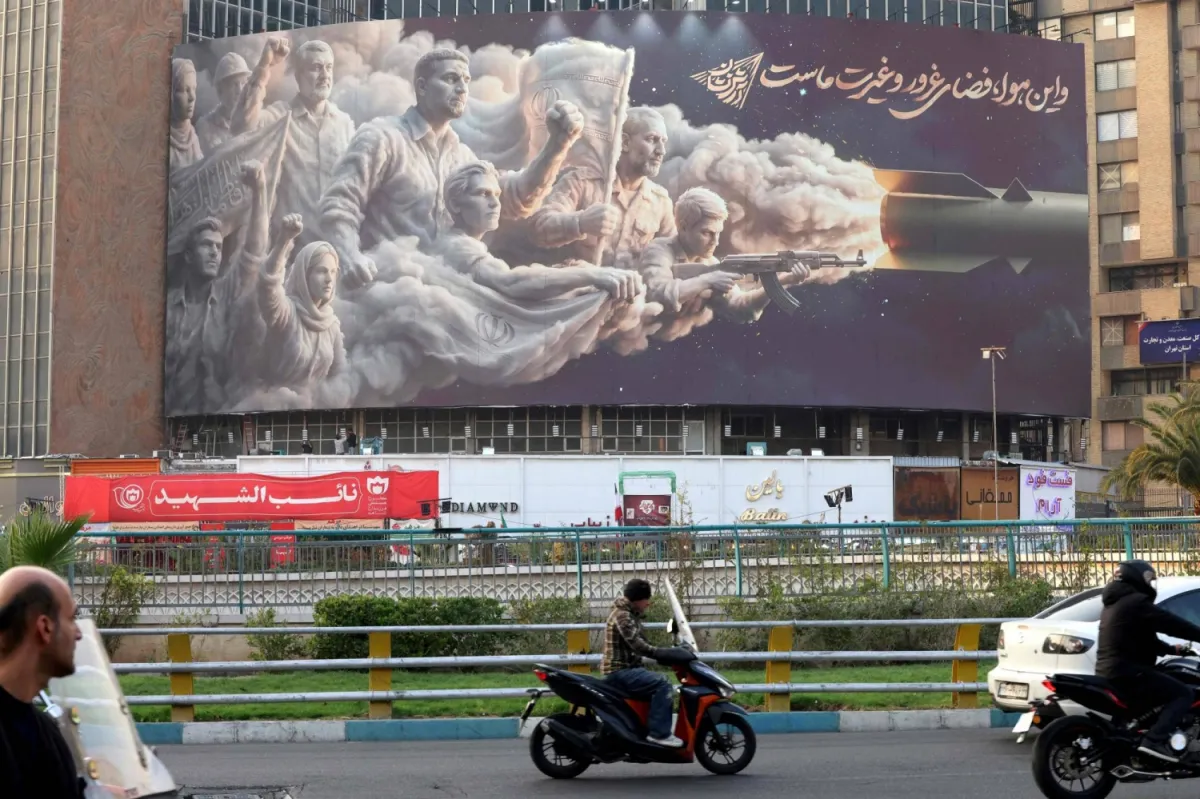
Iran, which has previously been mentioned in the context of regional conflicts and economic upheaval, as in the article Iran War and Bad Weather Shake Philippine Economy 2026: Deep Crisis!, has not yet issued an official response to these latest accusations from France. However, Tehran has consistently denied accusations of cyberattacks launched against other countries.
Editorial Insight: France's serious accusation against Iran underscores the escalation in the domain of state-sponsored cyber warfare, especially in 2026. Targeting vital civilian infrastructure such as food refrigeration systems and medical facilities indicates a tactical shift towards broader impacts on society. While attribution of cyberattacks is often complex and difficult to prove publicly, Paris's insistence suggests a high degree of confidence in its intelligence data. This event has the potential to trigger diplomatic responses and possibly further sanctions, while also pushing European nations to invest more seriously in cyber defense. It also serves as a bitter reminder of how geopolitical conflicts can now extend to the daily lives of civilian populations, far from traditional battlefields.