 Debby Wijaya
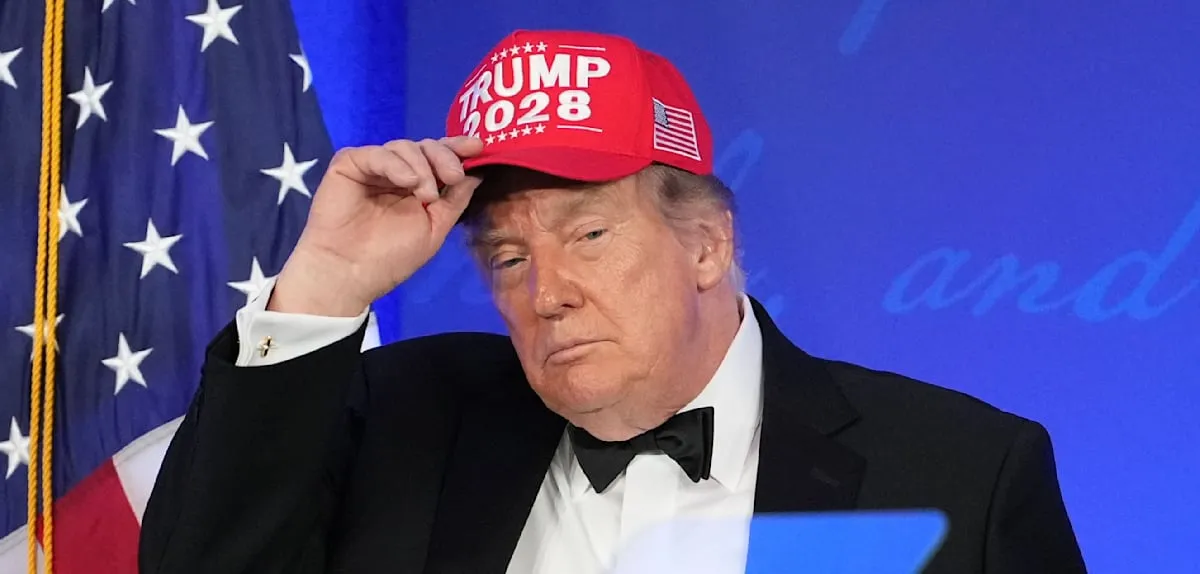
WASHINGTON — The initially lively atmosphere of the Journalists' Association Gala Dinner in the United States abruptly turned cold when President Donald Trump appeared on stage, sporting a red cap emblazoned with 'Trump 2028'. This moment ignited a wave of speculation about his potential re-candidacy in the upcoming presidential election, coupled with sharp criticisms directed at the media.
The event, held in a magnificent hall in Washington D.C., was a postponed annual dinner in 2026. Attended by national press figures, government officials, and various public personalities, the occasion was intended to foster reconciliation and humor between the White House and the media.
However, President Trump chose a different path. After some opening jokes tinged with sarcasm, he dramatically produced his iconic red cap, but with a year modification clearly pointing to the 2028 electoral contest. This gesture immediately drew attention and sparked whispers among the attendees.
The political signal was swiftly followed by a barrage of unfriendly statements. President Trump did not hesitate to name several prominent journalists and media organizations, accusing them of bias and spreading fake news. The atmosphere in the room drastically shifted from joviality to palpable tension.
Journalists, who had anticipated dialogue or even a more fluid interaction, were instead confronted with direct verbal attacks. Many faces appeared rigid, reflecting discomfort and disappointment at the direction of the president's speech. This incident underscored the enduring tension between his administration and the mass media.
Political analysis notes that President Trump's move was not merely a momentary provocation but a strategy he has frequently employed to solidify his loyal supporter base. By attacking the media, he reinforces the narrative that he is a victim of the establishment and simultaneously a hero to his supporters. This confrontational approach is not new for Trump, reminiscent of his leadership style known as Revenge Mode which often destabilized global affairs, as seen in the dynamics with Iran.
Nevertheless, such actions risk deepening public distrust in journalistic institutions, a critical foundation of democracy. Responses from various media circles varied, ranging from condemnation to attempts to analyze the motivations behind the president's statements.
Some observers argue this was an early attempt to gauge public reaction to a possible 2028 candidacy. The 'Trump 2028' cap serves as an unambiguous symbol, signaling that his political ambitions remain alive and he is ready to return to the national political stage.
"This is not just about a cap, it's an implied declaration," commented a senior political analyst who preferred to remain anonymous. "Trump has always been adept at reading the room and using such moments to his political advantage."
In a broader context, this incident adds a new chapter to the complex relationship between the White House and the press. It also serves as a reminder that the dynamics of power and media in the United States remain an intense ideological battleground.
The president's actions also sparked debate regarding journalistic ethics and the media's role in confronting leaders who openly challenge their integrity. Should they continue to report objectively or adopt a more assertive stance?
This debate is likely to continue, especially given Trump's track record of frequent conflict with the media. The incident at the gala dinner confirms that the political years ahead could be marked by intricate plots and equally fierce narrative battles.
The journalists present realized that despite being a gala event, its essence remained a political arena. Their frozen expressions were not merely due to surprise but also a reflection of their awareness of the continuous challenges they face in performing their duties.