 Edward DP Situmorang
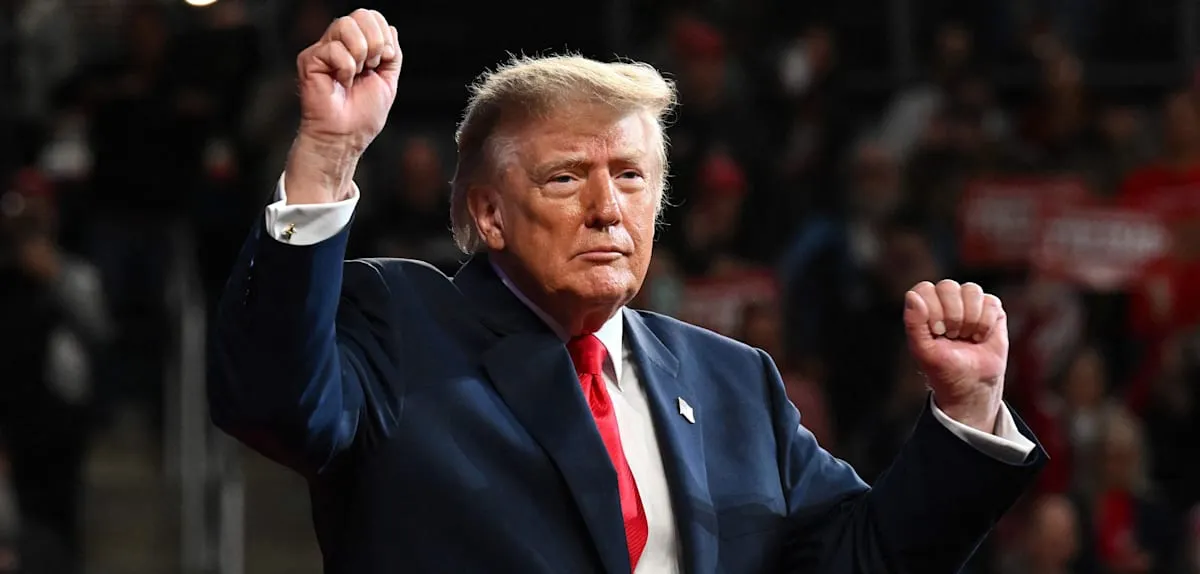
WASHINGTON – US President Donald Trump has surprisingly altered his strategic support for Ukrainian President Volodymyr Zelenskyy, a shift widely believed to be the result of a clever geopolitical maneuver orchestrated by Russian President Vladimir Putin in 2026. This event has triggered a wave of concern in Kyiv and simultaneously underscored Europe's failure to capitalize on a crucial opportunity on the international stage.
President Trump's change of stance, previously known as a vocal supporter of Ukraine in the face of Russian aggression, now indicates a substantial withdrawal of support. In-depth analyses from various intelligence and diplomatic circles point to one conclusion: Putin successfully utilized a crucial strategic asset, which was later revealed to be closely related to a vital energy deal.
Reliable sources indicate that the strategic asset in question is a diesel agreement between the US and Russia that significantly impacted global markets in 2026. This agreement, meticulously crafted by Putin, provides economic benefits and supply stability for the US, while implicitly tying Washington's foreign policy.
Ukraine, under President Zelenskyy's leadership, now faces increasingly severe diplomatic and military challenges. Strong criticism of the diesel agreement has rocked Kyiv, even fueling concerns of intelligence threats following Zelenskyy's criticism.
This shift in power dynamics clearly disadvantages Ukraine's position in its prolonged conflict with Russia. Without firm support from the White House, the prospects of a just peace or even balanced negotiations are increasingly out of Kyiv's reach.
Meanwhile, Europe appears to have missed a golden opportunity to strengthen its own position and support Ukraine more substantially. Uncoordinated energy policies and dependence on certain resources have made Europe less agile in responding to Putin's strategic maneuvers.
Geopolitical observers highlight that this is not the first time Europe has appeared passive in the face of aggressive Russian moves. A lack of consensus and speed in decision-making often hinders the European Union from acting as an effective counterbalancing force.
The implications of Trump's U-turn are far-reaching. It has the potential to alter the balance of power in Eastern Europe and strengthen Russia's position as a key player in the global security architecture. Ukraine must urgently seek alternative support.
President Zelenskyy is reportedly intensifying dialogue with loyal European Union member states, hoping to rally greater political and military support to offset the impact of Washington's changing policy.
However, Europe's ability to fill the vacuum left by the US remains a major question. Internal challenges such as economic crises, political divisions, and varying national priorities often impede a strong collective response.
Putin, with this move, has once again demonstrated his ability to read Western political dynamics and exploit them for Russia's national interests. This is a bitter lesson for Kyiv and a stark reminder for European leaders.
Editorial Insight: This dramatic shift in US foreign policy towards Ukraine marks a new chapter in the geopolitical struggle. Donald Trump's pragmatic policy, seemingly prioritizing US domestic energy and economic interests through a deal with Russia, has the potential to create significant regional instability. Europe now faces a difficult choice: whether to bravely assume a more dominant leadership role in supporting Ukraine or risk seeing Russia's influence expand unchecked. The future of security in Eastern Europe will heavily depend on the collective response generated by these new dynamics in 2026.