 Demian Sahputra

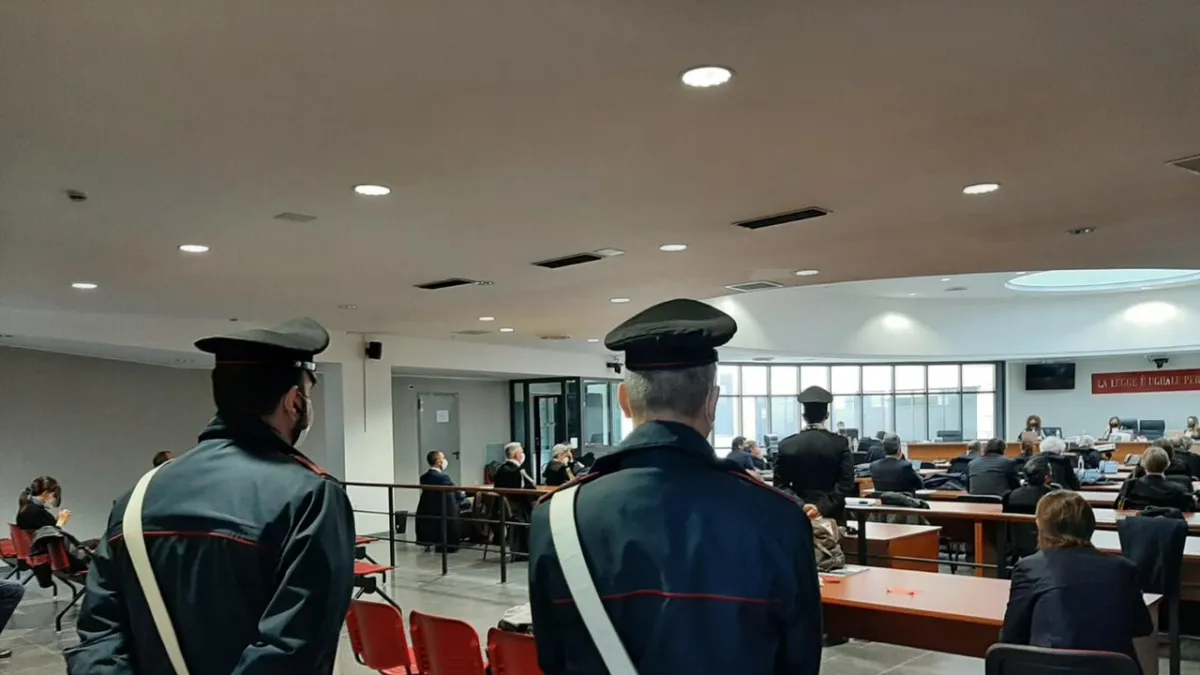
ROME – The Italian Court of Appeal has surprisingly overturned a previous verdict against Ilaria Salis, a figure widely known for her legal case with former collaborators, sending the legal proceedings back to the Tribunal. This decision, announced recently, was reached after Salis's legal team filed a strong appeal, marking a significant development that could alter the entire course of the case.
The annulment of this verdict does not mean an automatic acquittal for Salis. Instead, it reopens the door for a comprehensive review of all evidence and arguments before the Court of First Instance. This step underscores the principle that legal procedures must be meticulously followed, without any questionable gaps.
Ilaria Salis's case has garnered public attention for some time, stemming from a dispute involving her and individuals with whom she previously collaborated professionally. Specific details regarding the nature of the collaboration and the root cause of the dispute remain subjects of intense debate within the judicial environment.
Salis's legal team welcomed the Court of Appeal's ruling, calling it a crucial procedural victory. This confirms that there were aspects in the initial judicial process that needed correction, stated one of the lead lawyers, who preferred anonymity, expressing great hope for more substantive justice.
The referral of this case back to the Tribunal presents its own challenges. First-instance judges must now comprehensively re-examine the case files, consider new arguments, and ensure that every procedural aspect is fulfilled according to the applicable legal standards in Italy. This demands considerable time and resources.
The legal dispute between Salis and her former collaborators centers on claims related to alleged contract breaches and financial liabilities. Documents submitted by both parties span thousands of pages, indicating the complexity and intensity of the conflict.
The impact of this conviction annulment extends beyond the immediate interests of the parties involved. Legal observers view it as an affirmation of the importance of the appellate process within the Italian justice system, allowing for corrections of potential errors at lower levels.
Nevertheless, the prospect of a retrial could take years, given the crowded court dockets and the potential for further appeals from both sides. This could prolong legal uncertainty for all individuals involved.
Within the context of the Italian judiciary, similar cases involving the review of appellate decisions have occurred several times. For example, the case of the annulment of three doctors' suspensions, which caused a public stir, also demonstrated how the Court of Cassation affirmed patients' rights and proper legal procedures. The article The Court of Cassation Overturns Suspension of Three Doctors, Patient Rights Guaranteed serves as a relevant reference for similar dynamics.
This annulment significantly alters the existing legal dynamic. Salis's former collaborators, who may have previously felt they had reached a resolution, must now prepare for a new round of legal battle.
Further analysis of the specific reasons behind the Court of Appeal's decision is still awaited. The public hopes that details regarding the procedural or substantive defects that led to this annulment will soon be revealed to provide full transparency.
This decision highlights the fragility of legal judgments and how the interpretation and application of law can shift across various judicial tiers. Salis's case now stands as a significant study in the evolution of civil law in Italy.
Editorial Insight: The overturning of Ilaria Salis's conviction by the Italian Court of Appeal reflects the complexity of the judicial system, designed to provide corrections and ensure procedural justice. While prolonging the legal process, this step is essential in maintaining judicial integrity. Its impact will likely strengthen precedents regarding appellate rights and meticulous case handling, simultaneously reminding all parties that the legal process is not a shortcut to resolution.