 Stefani Rindus
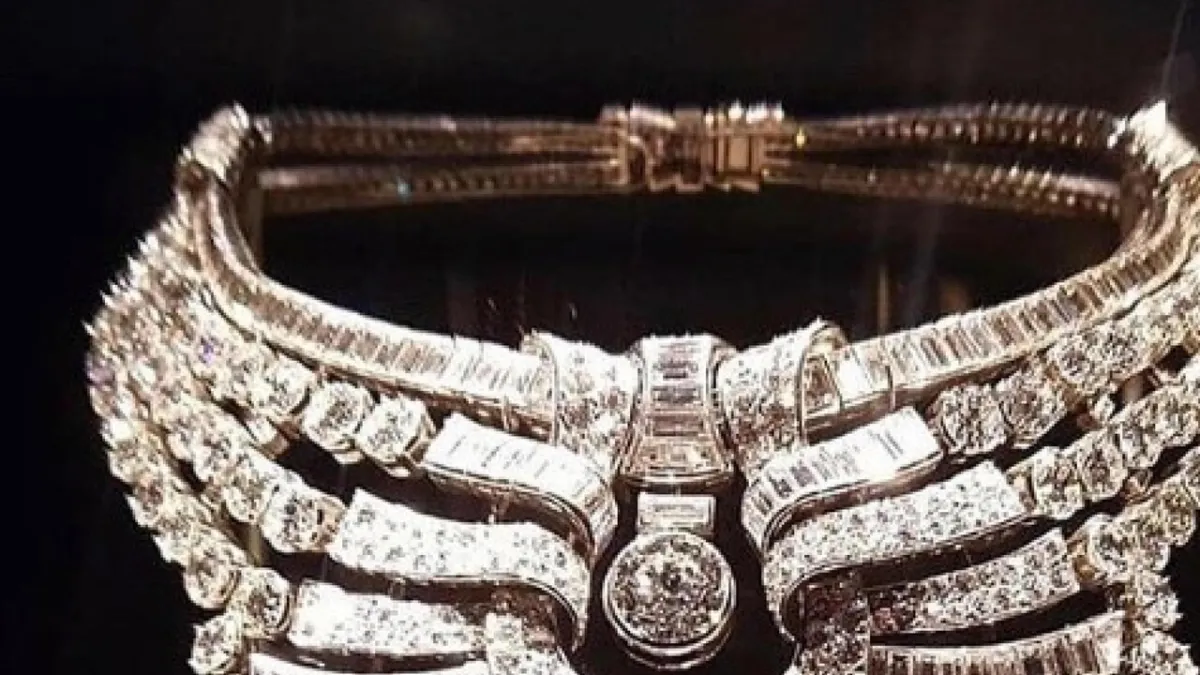
VIENNA – A historic jewelry masterpiece, the necklace belonging to Queen Nazli of Egypt, was reportedly stolen from the Museum of Applied Arts (MAK) in the Austrian capital, Vienna, during the summer of 2026. The theft has sent shockwaves through the international art and museum security community, given the estimated value of the artifact at 3.7 million euros.
The loss of this precious item came to light during a routine audit conducted by museum staff, triggering a massive investigation by the Vienna police. Authorities are now working strenuously to trace the thieves and recover the iconic necklace, which holds inestimable historical value.
Queen Nazli's necklace is not merely an ordinary piece of jewelry. This artifact is an Egyptian cultural heritage once worn by the mother of King Farouk, Egypt's last monarch before the revolution. Its intricate design and carefully selected gemstones make it one of the most valuable collections at the MAK Museum.
MAK Museum management promptly confirmed the incident to the public, expressing deep disappointment over the security breach. They reiterated their full commitment to cooperating with the police for the quickest possible resolution of the case.
The Director of the MAK Museum, in a statement, conveyed that the museum's security systems would undergo a comprehensive evaluation following the incident. 'We will not tolerate similar incidents in the future. The security of our collections is our top priority,' he stated, appealing to anyone with information to come forward immediately.
This theft adds to a series of high-value art heists across Europe throughout the summer of 2026. This phenomenon raises new concerns about the effectiveness of security measures in prominent cultural institutions.
Art security experts suspect an organized crime syndicate is behind this string of thefts. The meticulous modus operandi and the ability to target specific collections indicate thorough planning and potentially internal information access by the perpetrators.
The loss of Queen Nazli's necklace has also sparked debate regarding the repatriation of cultural artifacts. Some parties are calling for historic items originating from Egypt to be returned to their country of origin to avoid further theft risks in Western museums.
The Egyptian government, through the Ministry of Antiquities and Tourism, has expressed deep concern. They hope that Austrian authorities can swiftly locate and return the necklace, given its historical significance to Egypt's identity.
The investigation process involves analyzing surveillance camera footage, examining fingerprints, and interviewing museum staff. Police have not yet released further details regarding possible suspects or significant leads discovered.
This incident underscores the fragility of global cultural heritage against criminal threats. With increasing value in the black market, historical jewelry and artifacts have become easy targets for audacious criminals.
Editorial Insight: The theft of Queen Nazli's necklace is not merely a material loss, but a severe blow to the credibility of world-class museum security. This event must serve as an alarm for all global cultural institutions to tighten security protocols, not only against physical threats but also increasingly complex cyber threats. The 'summer of thefts' trend indicates serious vulnerabilities being exploited by organized criminal groups. Cross-border collaboration and intelligence agencies are crucial to dismantle these networks and prevent further losses of cultural heritage, while also revisiting the vulnerability to digital and physical crimes rampant lately. This could also reopen discussions about the origins and ownership of ancient artifacts held in foreign museums.