 Gabriella
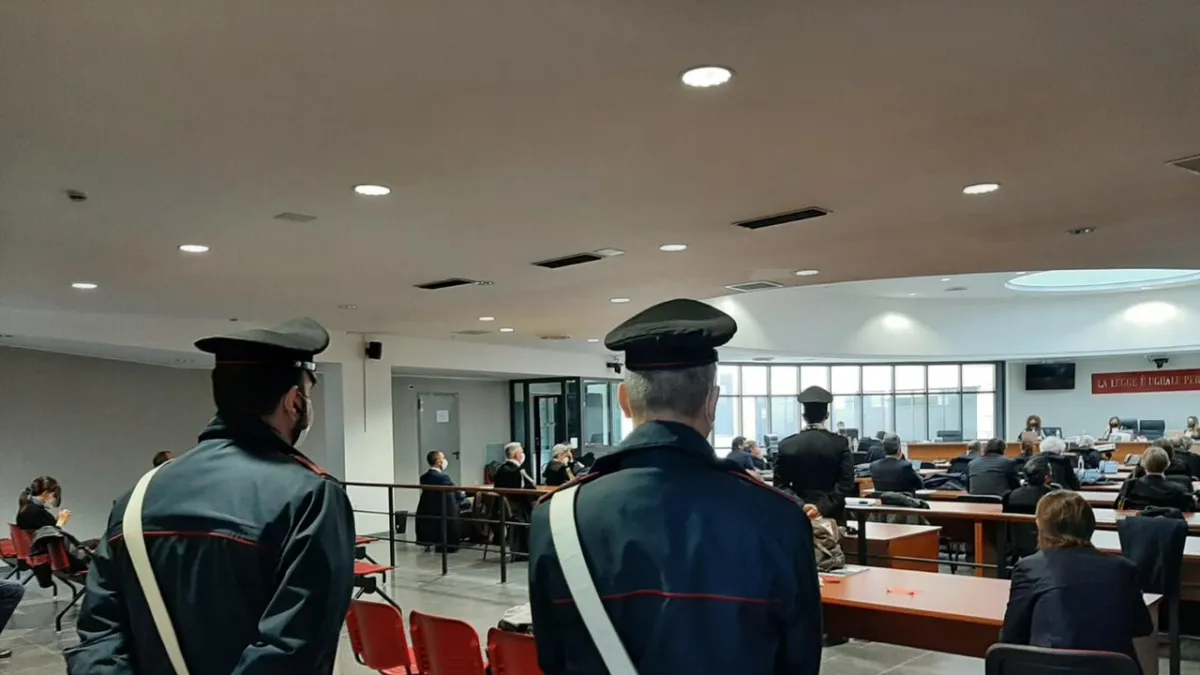
ROME – The Italian State Police, through its General Investigations and Special Operations Division (Digos), conducted simultaneous search and seizure operations across 13 major cities, uncovering the involvement of at least 50 minors in significant acts of violence during various protests. This decisive action targeted individuals suspected of instigating unrest, including several underage participants, shaking social stability and public security nationwide in early 2026.
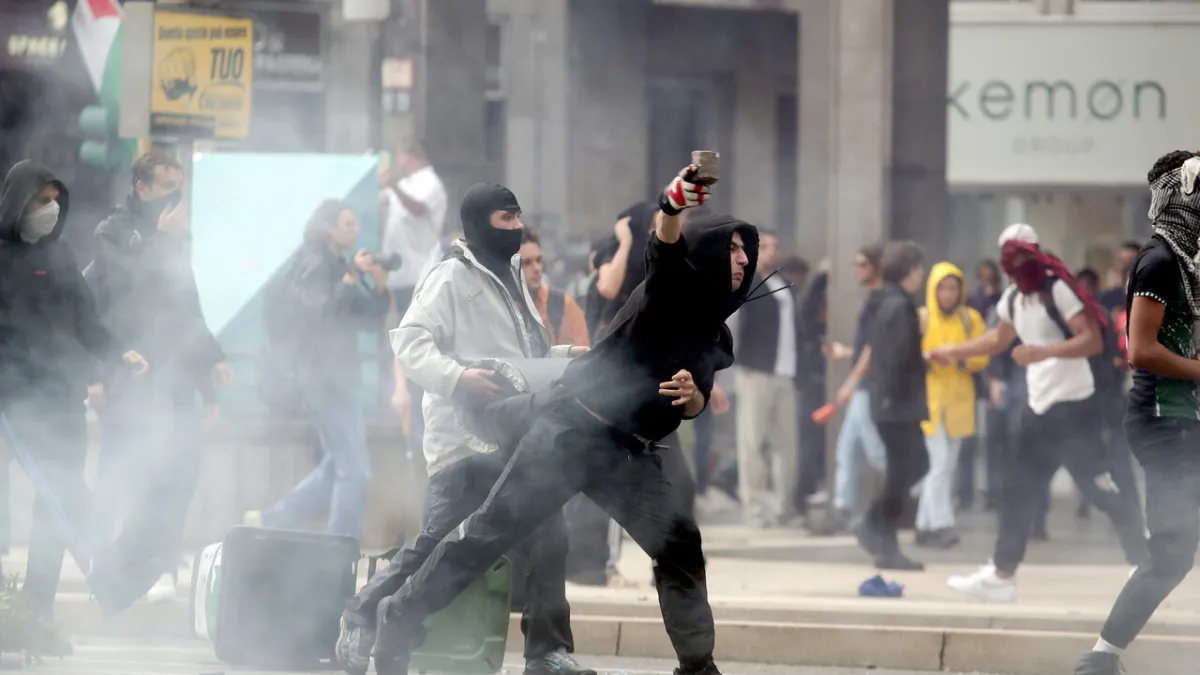
This national-scale operation targeted individuals identified through video footage and eyewitness accounts, who were actively involved in vandalism, assaults, and physical confrontations with law enforcement. Key cities primarily focused on included, but were not limited to, Rome, Milan, Naples, Turin, and Florence, illustrating the extensive network of perpetrators and the widespread impact of these incidents.
Dozens of young people, some not yet of legal age, were interrogated regarding their roles in several demonstrations that turned violent. They are suspected of being involved in damaging public facilities, throwing projectiles, and attempting to assault officers. The motivations behind their involvement varied, ranging from group solidarity and a desire for sensation, to the influence of older provocateurs.
Digos's in-depth investigation involved a meticulous analysis of communication data, digital footprints, and field surveillance. Officers seized various pieces of evidence, including clothing worn during the incidents, communication devices, and propaganda materials allegedly used to mobilize crowds or incite anarchist actions.
The phenomenon of minors' involvement in protest violence raises serious concerns among society and social observers. This is not merely a law enforcement issue but a reflection of broader social challenges, such as inadequate supervision, vulnerability to negative influences, and the absence of constructive channels for youth expression.
The Italian government, through the Ministry of Interior, affirmed its commitment to taking firm action against all forms of violence in protests, while emphasizing the importance of guaranteeing the right to peaceful expression. The Minister of Interior stressed that anarchist acts cannot be tolerated and would undermine the noble goals of any protest movement.
The investigation into the minors involved requires a special approach, given their status as underage individuals. Legal proceedings will consider aspects of child protection, while still ensuring the enforcement of justice. Authorities are striving to understand the underlying factors that drive these young people into a cycle of violence.
Beyond law enforcement, prevention and education efforts are crucial. Guidance and counseling programs in schools and communities are expected to shield young people from invitations to engage in illegal activities. Open dialogue among the government, parents, and educational institutions is deemed essential to address the root causes.
Some of these violent incidents occurred amidst a wave of protests related to various issues, from economic policies and climate change to civil rights demands. Unfortunately, the noble objectives of many of these movements are often tarnished by the actions of a few individuals who exploit the opportunity to cause trouble.
The public is urged to remain calm and unprovoked, and to fully entrust the legal process to the authorities. The presence of peace-disrupting elements in demonstrations serves as a reminder to all parties of the importance of maintaining public order and respecting democratic processes.
Editorial Insight: This Digos operation highlights the acute problem of minors' involvement in public violence, a phenomenon not unique to Italy. While firm enforcement is necessary, a long-term solution must address the social, economic, and psychological root causes that drive them to violence. Governments and communities must invest more heavily in character education, providing positive avenues for expression, and social reintegration programs to save younger generations from the cycle of crime. Without a holistic approach, similar incidents will continue to recur, eroding public trust in institutions and democratic processes.