 Debby Wijaya
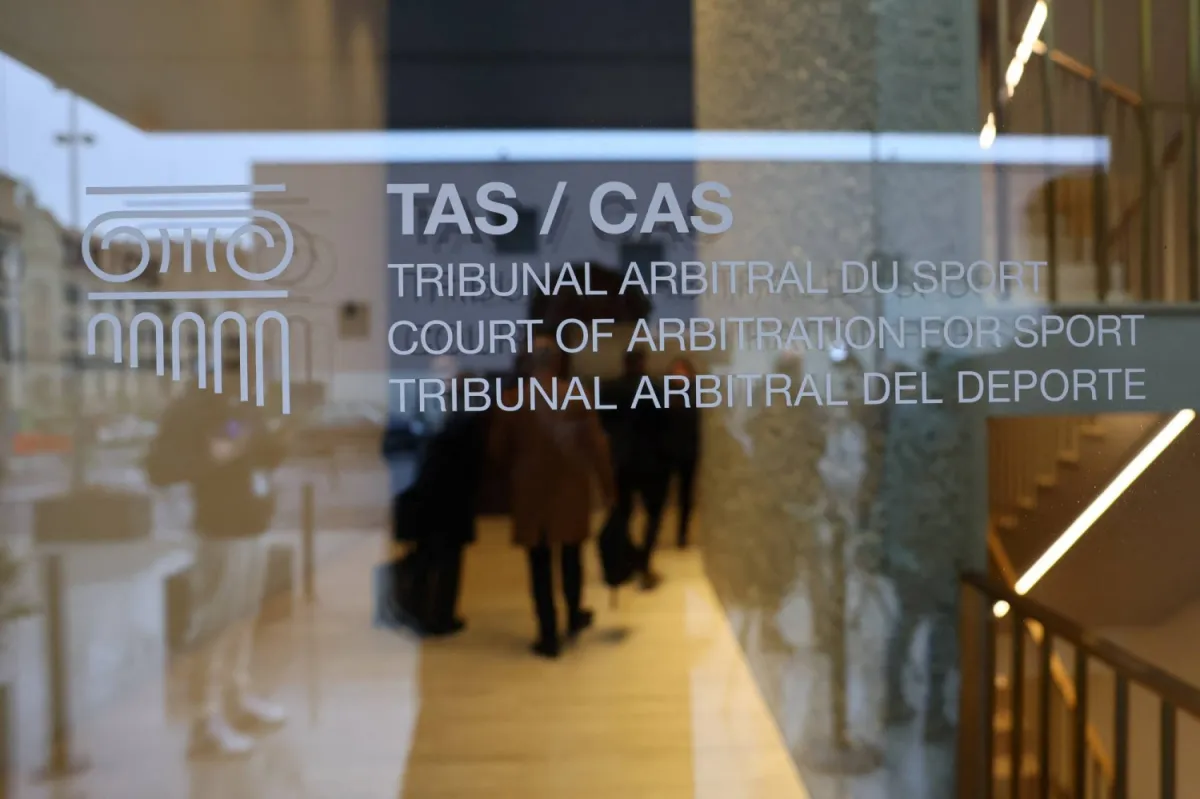
LAUSANNE – The Court of Arbitration for Sport (CAS) in 2026 issued a crucial ruling effectively paving the way for the Russian national ice hockey team to return to world championships. This decision overturns sanctions previously imposed by the International Ice Hockey Federation (IIHF) since the country's invasion of Ukraine in 2022, marking a significant turning point for global ice hockey.
The CAS ruling comes after an appeal filed by the Russian Olympic Committee (ROC) and the Russian Ice Hockey Federation (RHF) against what they deemed an unfair disqualification. The IIHF sanctions, in effect since 2022, banned Russian athletes and teams from participating in almost all international ice hockey competitions, including World Championships and the Olympics.
This move by CAS reaffirms the principle of independent sports arbitration bodies in reviewing decisions by governing organizations. While the IIHF cited the need to maintain the integrity and safety of athletes, CAS appears to have found legal or procedural flaws in the implementation of the sanctions that led to their reversal.
Since 2022, Russia's absence has left a significant void in the global ice hockey landscape. Russia is known as one of the major powers in the sport, with a long history of glorious achievements and a massive fan base. Their presence is always anticipated, especially in high-stakes, rivalry-filled matches.
The lifting of the ban not only impacts the athletes who can now once again represent their country but also the dynamics of competition. Other teams worldwide will again face one of their strongest opponents, potentially altering the balance of power in upcoming tournaments.
Sports observers believe that Russia's return will enhance the quality and appeal of the world ice hockey championships. However, this decision also has the potential to spark debate within the international community, given the geopolitical background that underpinned the initial sanctions.
IIHF President Luc Tardif previously stated that the decision to exclude Russia was not made lightly, but for the safety and well-being of all participants. However, the CAS ruling indicates limits on the authority of international sports federations when dealing with broader legal aspects.
This is not the first time the Court of Arbitration for Sport has made controversial decisions regarding sanctions against national athletes or teams. Similar cases often highlight the complexities between sports ethics, geopolitics, and applicable legal regulations.
Russia's return to international ice hockey is also expected to bring positive impacts for fans who have missed high-quality matches. Meanwhile, discussions about the neutrality of sports amidst political conflicts are likely to continue.
This case resonates with how global incidents can affect a country's participation in sports, similar to other sporting events. For example, The MotoGP Qatar Polemic Heats Up: Riders Rebel, Race Still Held? shows how tensions can influence the course of a competition.
Editorial Insight:
This CAS decision, while welcomed by Russian ice hockey fans, underscores the ongoing challenge of separating sport from global politics. It also sets an important precedent regarding the limits of international sports bodies' authority in imposing protracted sanctions. Moving forward, the sports community needs to find a proper balance between upholding values of integrity and fairness, while respecting the principles of international legal arbitration.