 Angel Doris
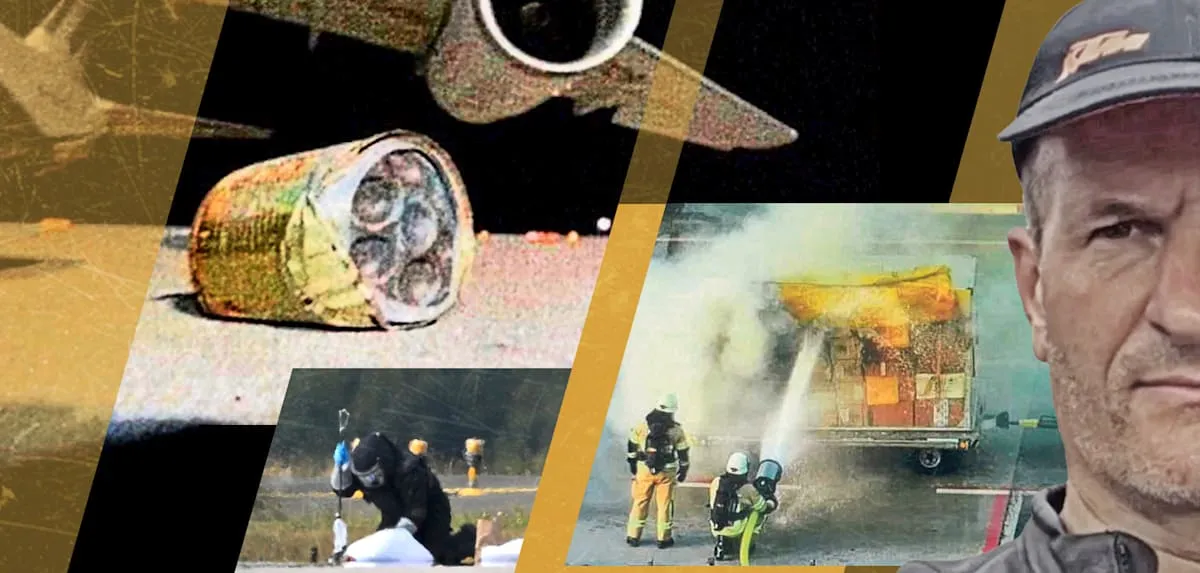
BERLIN – A network of covert sabotage operations orchestrated by Russia's military intelligence agency, the GRU, has now come to light following an in-depth investigation by prominent media outlets. A series of attacks, including the use of drones, explosives, and package bombs, have targeted various strategic locations across Europe, sparking serious concerns about the continent's security.
A collaborative investigation by the German newspaper WELT AM SONNTAG and The Telegraph from the UK has uncovered a worrying pattern. Their report details how GRU agents are allegedly behind various incidents designed to cause disruption and chaos in several European countries. This pattern of attacks indicates a coordinated and clandestine strategy.
Intelligence sources state that the GRU's modus operandi is highly varied but consistent in its goal of creating destabilization. They employ difficult-to-trace methods, ranging from sending bombs via postal packages to placing explosives in sensitive locations, as well as precise drone attacks.
Security analysts have long suspected covert activities by certain state actors in Europe. However, the findings from this investigation provide concrete evidence pointing directly to the involvement of Russian military intelligence. This marks a significant escalation in the ongoing hybrid warfare.
The cases traced include a number of separate incidents that might previously have been considered local. However, when aggregated, these incidents form a larger picture of a widespread, organized sabotage campaign. Some locations and timelines of the incidents are still under further investigation by relevant authorities.
The list of modus operandi identified in this GRU operation includes:
- Surveillance or explosive drone attacks on critical installations.
- Placement of explosives in vital infrastructure such as railway lines or energy facilities.
- Delivery of bombs via postal packages to individual targets or organizations.
- Cyber efforts often preceding or accompanying physical attacks.
Governments across Europe are now on high alert, tightening national security measures. Escalating tensions with Russia have been a major concern, and these findings will only deepen those anxieties. Diplomatic dialogue between the European Union and Moscow is expected to become even more strained.
Reactions from Brussels and other European capitals are expected to be strong. Political leaders will likely demand explanations from the Kremlin and consider a collective response, which may include additional economic sanctions or other diplomatic actions to curb illegal intelligence activities.
European security chiefs have called for increased collaboration among member states to counter this threat. They emphasize that the coordinated nature of the GRU's operations requires an equally coordinated response from across the continent. Intelligence sharing is becoming critically important.
This discovery also highlights the complexity of the modern security environment, where threats do not always come in conventional forms. Covert sabotage operations can cause significant infrastructure damage and disrupt socio-political stability without necessarily triggering direct open conflict.
The role of investigative journalism in uncovering crucial facts like these is vital. Without the dedication of media outlets such as WELT AM SONNTAG and The Telegraph, such clandestine operations might continue undetected by the broader public, allowing perpetrators to operate freely.
Editorial Insight:
The exposure of GRU's sabotage operations in Europe reaffirms the urgency of collective vigilance and the strengthening of national counter-intelligence capabilities. These incidents are not merely isolated acts but part of a broader, aggressive strategy to undermine European cohesion and resilience. A firm and unified response from the European Union, not only in security but also in diplomacy, is imperative to uphold sovereignty and prevent further escalation. This serves as a stark reminder that modern warfare is often conducted beneath the surface, testing the boundaries of traditional conflict definitions.