 Robert Andrison

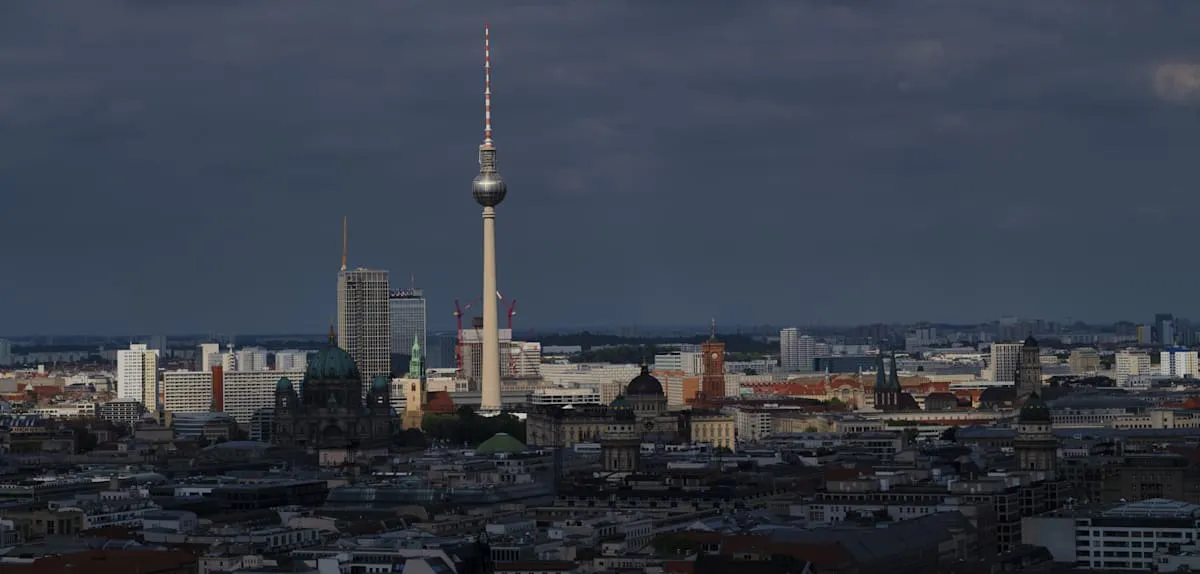
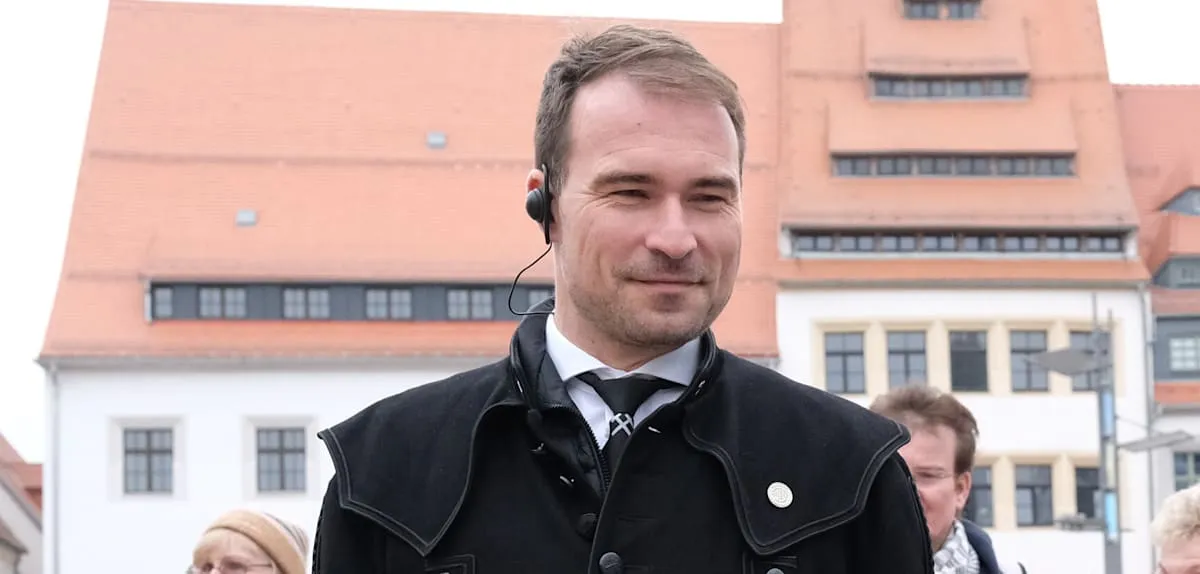
Berlin – Steffen Krach, the Social Democratic Party (SPD)'s lead candidate for the 2026 Berlin election, has unequivocally demanded a comprehensive investigation into the Russian House in the German capital. He explicitly labeled the facility as an "instrument of propaganda" that cannot be tolerated amid ongoing geopolitical tensions. Krach's forceful demand, which addresses the 5Ws and 1H, immediately sparked a fierce debate regarding the presence and function of foreign institutions potentially disseminating political influence at the heart of Europe.
Krach's stark statement emerged as he actively campaigns for a crucial position in Berlin's city government. The issue of foreign interference and national security has now become one of the key points he emphasizes in his political platform. This marks a significant shift in political focus, placing the oversight of foreign entities high on the agenda.
The Russian House, strategically located in Berlin, has historically been known as a cultural and scientific center promoting bilateral relations. However, its image is now at risk of being tarnished by serious allegations of functional misuse, potentially transforming it from a cultural bridge into a conduit for disinformation.
The ongoing conflict in Eastern Europe has drastically heightened vigilance across the continent against disinformation efforts and covert foreign interference. Germany, as a major economic and political power in the European Union, has a significant interest in maintaining the integrity of its public information. This issue becomes even more relevant given the escalating intensity of conflicts that continue to rock regions like Odessa and Kharkiv, as reported in the article Intensified Conflict: Odessa and Kharkiv Hit Again, Pope Calls for Peace.
Krach, without publicly detailing specific evidence, asserted that there are strong indications the facility's primary purpose has shifted from a purely cultural mission towards a political agenda. "We cannot allow foreign propaganda instruments to operate freely on our soil, especially during such sensitive times," Krach stated.
He urged both the German federal government and the Berlin state government to immediately review the legal status, funding, and operations of the Russian House. According to him, a thorough audit is necessary to ensure transparency and accountability, and to determine whether the facility complies with German law.
This demand places significant pressure on the relevant authorities to respond quickly and provide clarification to the public. The government's response will be closely scrutinized by both opposition politicians and concerned civil society.
Krach's statement is likely to be met with varied reactions among politicians and Berlin's populace. Some may support this move as an effort to safeguard national sovereignty and counter foreign influence. However, others might express concerns about the impact on diplomatic relations or freedom of expression, albeit with clear limitations.
The case of the Russian House is not merely an isolated incident. It reflects the broader geopolitical tensions between Russia and Western nations, where narrative and information have become critical battlegrounds. Similar considerations regarding global geopolitical threats were discussed in the article Weapon Migration: Europe at Risk of Collapse Amidst Global Geopolitical Warfare.
The SPD's firm stance, articulated through Krach, also indicates an evolution in the party's approach to foreign relations. Previously, the SPD was sometimes perceived as more pragmatic in its interactions with Russia, but now appears to be adopting a tougher line in line with the changing global political landscape. This aligns with other SPD efforts in Germany, such as calls to ease family reunification rules that had been debated, as reviewed in SPD Urges Germany to Loosen Family Reunification Rules, Deemed Too Harsh.
The audit requested by Krach is expected to reveal whether any activities extend beyond the cultural and educational mandate, and if there are any violations of applicable German law. This is a crucial step to ensure that foreign institutions operate in accordance with democratic norms and values.
The German government under Chancellor Olaf Scholz may face a diplomatic dilemma, having to balance international relations with domestic security demands and internal political pressures. How they respond to this demand will be an important indicator of Germany's future foreign policy.
Ultimately, this incident underscores the urgency for every democratic nation to proactively counter disinformation campaigns and protect its public sphere from narrative manipulation by external actors.
Editorial Insight: Steffen Krach's demand for an audit of the Russian House in Berlin is a bold and significant political move, particularly ahead of a crucial election. This is not merely about a building, but rather a symbol of resistance against systematic attempts to spread propaganda and disinformation that threaten democratic integrity. If misuse is proven, the implications could extend to German-Russian diplomatic relations and broader European security policy. The main challenge for authorities will be to conduct a transparent and fair investigation while avoiding unnecessary escalation, to maintain public trust and regional stability.