 Stefani Rindus
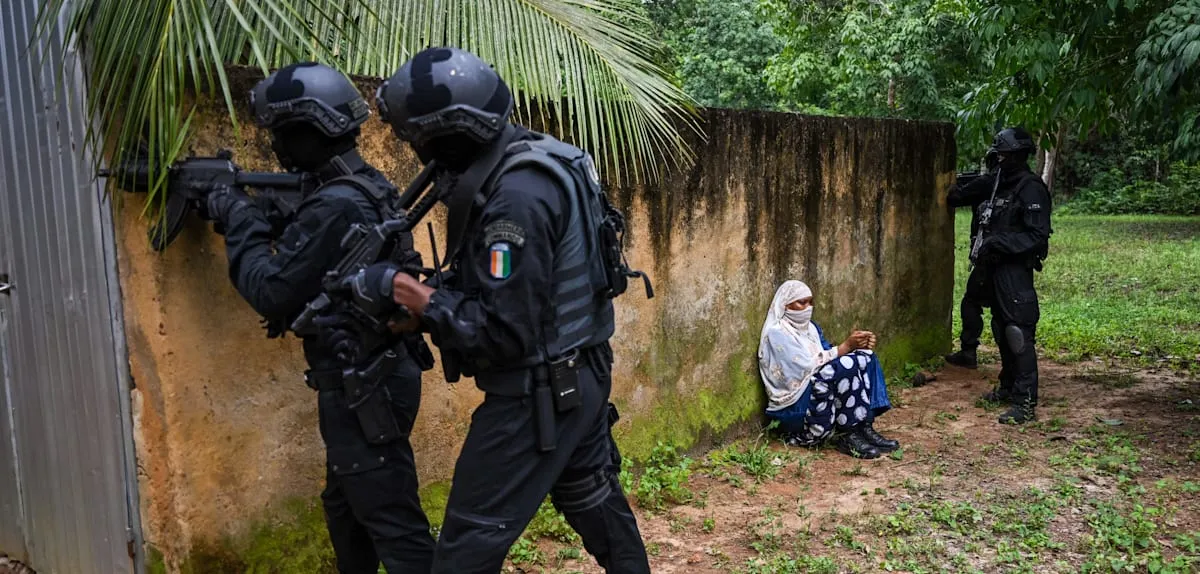
ABIDJAN — The wave of terrorism in the Sahel region continues to show significant escalation through 2026, forcing West African nations to reinforce their lines of defense. The center of gravity for this collective effort rests on an international anti-terror academy in Ivory Coast, where security forces from various countries unite to train and stem the increasingly deadly threat.
The academy is not merely an ordinary training facility but a symbol of regional political will and one of the last prestigious projects supported by the West on the African continent. There, modern counter-terrorism strategies are adapted to counter the increasingly elusive and brutal tactics of militant groups.
The threat of terrorism in the Sahel, stretching from Senegal to Sudan, has claimed thousands of lives and displaced millions over many years. Extremist groups such as Jama'at Nusrat al-Islam wal Muslimeen (JNIM) and Islamic State in the Greater Sahara (ISGS) continue to exploit governance fragilities and extreme poverty.
Training in Ivory Coast covers various aspects, ranging from intelligence operations, urban combat tactics, to handling improvised explosive devices (IEDs). Instructors, many experienced in global conflicts, guide African forces in refining their response to asymmetric threats.
Major General Kwasi Mensah, one of the special unit commanders from Ghana involved, emphasized the urgency of cooperation. “We can no longer fight alone. Our enemy knows no national borders, and their tactics continue to evolve,” Mensah stated during a recent simulation session.
This program is crucial given the complexity of the Sahel's security landscape. The region not only faces terrorism but also inter-communal conflicts, human trafficking, and arms smuggling, all of which are often interconnected and exacerbate the situation.
These collective efforts are expected to create more cohesive and effective security units, capable of operating across national borders with uniform operational standards. This harmonization is key to closing the security gaps frequently exploited by terrorist groups.
The role of the international community, especially Western nations, in supporting this academy is also vital. They provide funding, advanced equipment, and crucial technical expertise. This support reflects the recognition that stability in the Sahel has broad security implications, even extending to Europe.
However, the sustainability of this project remains a challenge. The changing global geopolitical landscape in 2026, with many Western countries shifting focus to domestic issues or other conflicts, demands greater commitment from West African nations themselves to ensure this initiative does not falter.
The academy's endeavor in Ivory Coast is not just military training; it is a long-term investment in regional security and stability. This is a significant gamble for the future of West Africa, determined not to succumb to the destructive grip of terrorism.
Regional leaders recognize that the success of this program will heavily depend on governance reforms, inclusive economic development, and increased public trust in security institutions. These aspects are vital foundations for eroding the root causes of extremism.
While the path is still long and full of obstacles, the spirit of collaboration among West African nations remains strong. They are determined to turn the tide of threats into momentum for building stronger defenses and a safer future for all inhabitants of the Sahel.