 Demian Sahputra
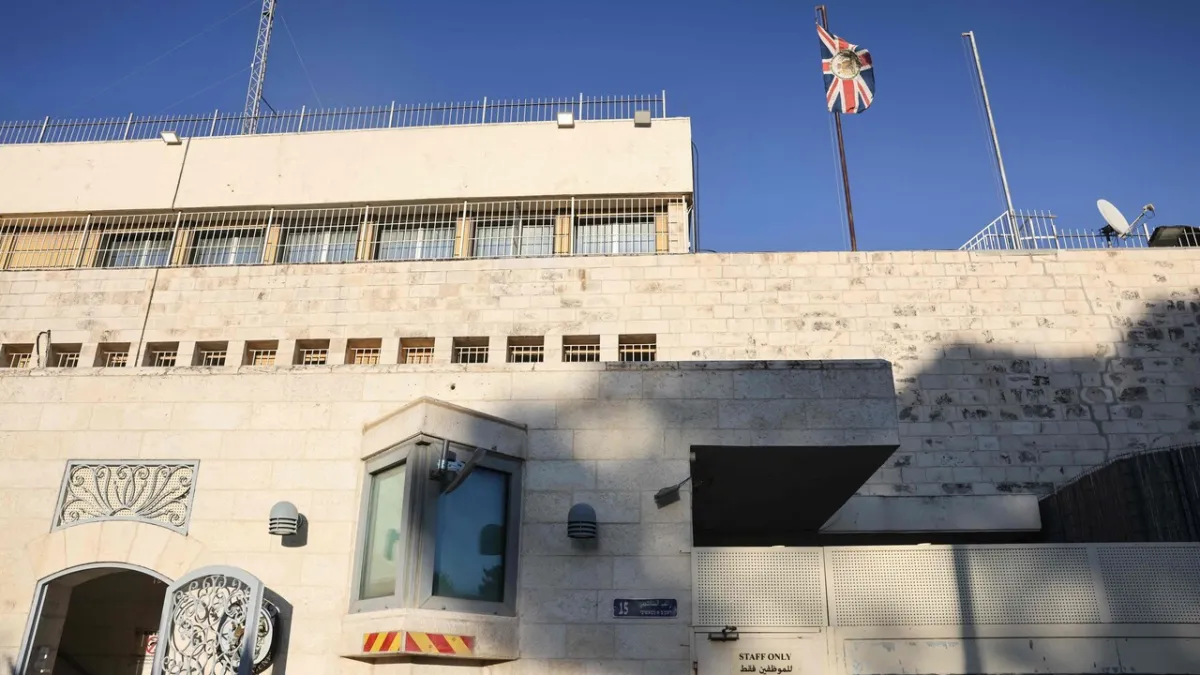
LONDON – Diplomatic tensions between the United Kingdom and Israel escalated on January 23, 2026, following a decision by London and 11 other nations to impose sanctions on products originating from Israeli settlements. In response, Tel Aviv promptly closed the UK consulate in its territory, while influential political figure David Miliband harshly condemned Israel's actions, calling them part of 'ethnic cleansing.' This incident marks a significant escalation in the long-standing conflict.
This decision by the United Kingdom and its partners follows persistent international calls to pressure Israel to halt settlement construction in occupied territories, widely considered illegal under international law. The list of sanctioned products includes agricultural commodities, manufactured goods, and services from entities operating in these settlements.
Israeli Foreign Ministry spokesperson Eli Cohen declared the consulate closure a 'proportional and firm response' to what they termed 'unjust economic discrimination.' He emphasized that Israel would not tolerate attempts to delegitimize the presence of its citizens in Judea and Samaria, referring to the West Bank.
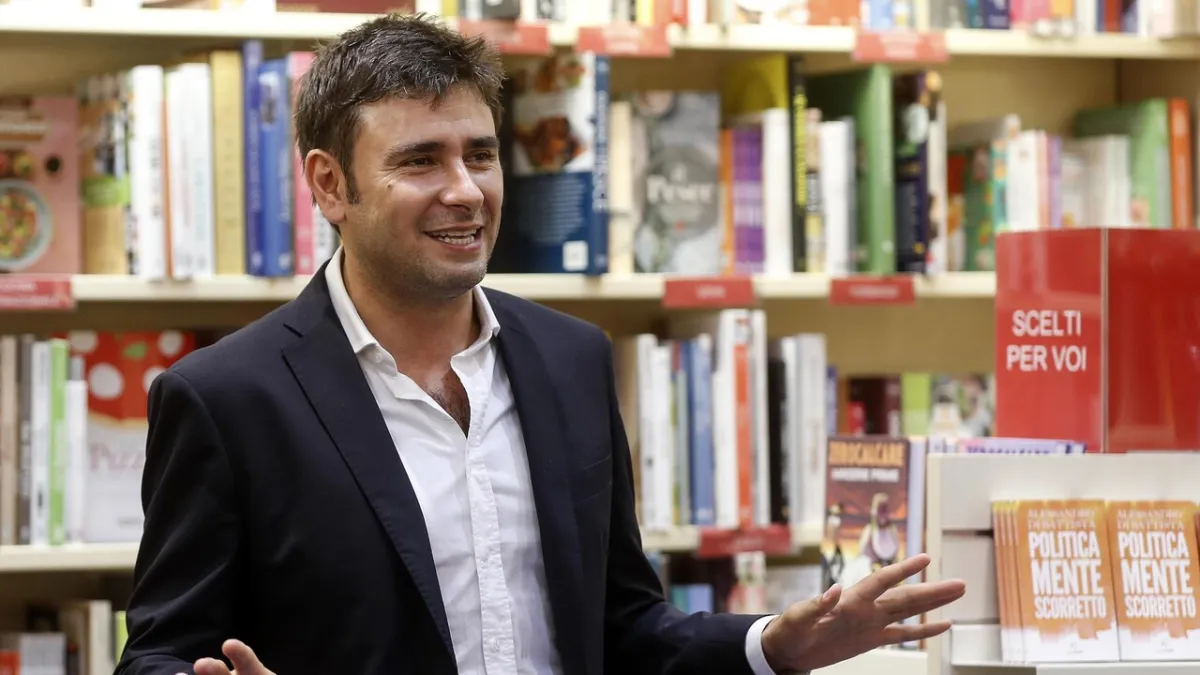
David Miliband, former UK Foreign Secretary and current CEO of the International Rescue Committee, issued a sharp statement that garnered global attention. 'Israel's continuous expansion of settlements, coupled with an aggressive response to legitimate sanctions, is part of a horrifying agenda of ethnic cleansing in Palestine,' Miliband stated at a press conference in London. His remarks add weight to the international community's demands for Israeli accountability.
Israeli settlements in the West Bank and East Jerusalem have been a primary point of conflict for decades. The United Nations (UN) and most countries consider these settlements to violate the Fourth Geneva Convention, which prohibits an occupying power from transferring its own population into occupied territory.
The economic impact of these sanctions is expected to be significant, although Israel claims it can mitigate them. However, for producers in the settlements, the export ban to European and other UK partner markets will incur substantial losses. This is intended to exert serious pressure on Israel's settlement policies.
In addition to the United Kingdom, the 11 other nations imposing these sanctions are primarily members of the European Union and Scandinavian countries, demonstrating a united front from Western nations on this issue. This collective decision strengthens the diplomatic stance against Israel.
International reactions to the incident have varied. Several Arab nations and human rights organizations welcomed the sanctions as an important step towards justice for Palestinians. Meanwhile, the United States, under President Donald Trump's administration, expressed concern over the diplomatic escalation and called for dialogue. President Trump has been a strong supporter of Israel.
These tensions are not new. Similar issues have surfaced in previous reports. For further context, the public can refer to the article Global Sanctions Hit Israeli Settlements: London Leads Wave of Protest which highlighted the wave of protests and international pressure against settlement practices.
Political analysts predict that Israel's move to close the UK consulate could trigger reciprocal responses from London, possibly in the form of partial diplomatic staff withdrawal or restrictions on bilateral interactions. This conflict has the potential to damage long-term relations between the two countries.
Miliband added that the international community must act more decisively to ensure international law is upheld. 'We cannot simply stand by as land is seized and lives are destroyed. This is a call to action,' he asserted, urging further concrete steps.
This situation illustrates Israel's increasing isolation on the global stage regarding its settlement policy, even as Tel Aviv insists on its right to build in these territories for security and historical reasons.
Editorial Insight: This escalation reflects the failure of years of diplomatic efforts to resolve the issue of Israeli settlements. The collective decision by the United Kingdom and its allies to impose economic sanctions indicates a shift in strategy from mere rhetoric to concrete action. Israel's response of closing the consulate, while symbolic, suggests that Tel Aviv feels threatened and could trigger a detrimental tit-for-tat spiral. The credibility of international law is now at stake, and global pressure will be a determining factor in the future direction of this conflict.